
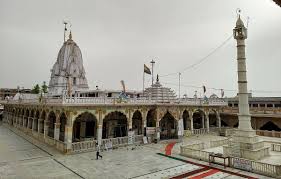
The story of the Tijara Jain Temple is one that intertwines spirituality, history, and architecture. Nestled in the serene town of Tijara in Rajasthan, this temple has risen to prominence as a pivotal pilgrimage destination for the Jain community. On the website Tijara, you will discover how this sacred site evolved into a revered place of worship, the historical events that shaped its journey, and the cultural impact it holds today.
The Spiritual Significance of Tijara Jain Temple
The Tijara Jain Temple is dedicated to Lord Chandraprabhu, the eighth Tirthankara in Jainism, known for his teachings of peace and liberation. The discovery of a stunning white marble idol of Lord Chandraprabhu in 1956 marked a turning point, signaling the resurrection of a spiritual legacy long forgotten. This discovery confirmed Tijara’s identity as an ancient ‘Dehra’ — a sacred place for Jain idol worship. Over time, the temple has become an Atishaya Kshetra, a place believed to be blessed with miracles, attracting thousands of devotees annually who seek solace, blessings, and spiritual growth. Its role as a center of Jain pilgrimage is not only for religious rites but also for community bonding and cultural preservation.
Architectural Beauty and Heritage
The temple’s unique architectural blend of Jain and Islamic styles captures the imagination of every visitor. The exterior, crafted from red sandstone and white marble, displays intricate carvings and depictions of Tirthankaras’ lives, reflecting centuries of artistic tradition and religious devotion. At the temple’s core lies the 15-inch tall idol of Chandraprabhu, a masterpiece of Tamil sculptural finesse, placed in a spacious temple hall that accommodates thousands of pilgrims. The temple’s towering Manastambha, a pillar symbolizing humility and spiritual awakening, stands as a beacon welcoming all regardless of caste or creed. Every element of design narrates a story, connecting visitors to the depth of Jain philosophy and the community’s enduring faith.
Festivals, Rituals, and Community Life at Tijara Jain Temple
Life at the Tijara Jain Temple is vibrant and deeply rooted in tradition. Significant Jain festivals such as Mahavir Jayanti and Paryushan Parva are celebrated with grandeur and devotion, drawing pilgrims from across the country. Daily rituals include the ‘Abhishek’, a ceremonial anointment of the idol with sacred substances like milk and holy water, symbolizing purification and divine blessings. The temple is not just a site for individual worship but also a gathering place for the Jain community, reinforcing social and cultural ties. Through charitable activities, educational programs, and community meals, the temple serves as a hub for spiritual learning and social welfare, enhancing the lives of residents and visitors alike.
Key Benefits of Visiting Tijara Jain Temple
To understand why the Tijara Jain Temple has become a significant pilgrimage site, consider these key points:
- Spiritual cleansing and inner peace imparted by the serene environment and rituals
- Architectural marvel that offers insight into historic art and religious symbolism
- Opportunity for community engagement and experiencing Jain cultural heritage
- A place where miracles and divine interventions are believed to occur, inspiring faith
- Accessibility to pilgrims from Delhi, Alwar, and beyond, making it a convenient spiritual destination
How to Plan Your Visit to Tijara Jain Temple
Planning a pilgrimage or visit to the Tijara Jain Temple can be both fulfilling and hassle-free if you follow these tips from Tijara:
- Check temple timings, usually open from early morning to late evening, allowing ample time for darshan
- Dress respectfully in modest attire in keeping with temple customs
- Participate in morning or evening aartis and the ‘Abhishek’ ceremony to fully experience the spiritual aura
- Explore the temple complex, including the Manastambha and the temple garden for meditation and reflection
- Try local Jain vegetarian cuisine available nearby for an authentic cultural experience
- Attend during major festivals like Mahavir Jayanti to witness the vibrant celebrations
- Use public transport or hire a local guide to navigate around Tijara for a convenient visit
Conclusion
The Tijara Jain Temple stands as a beacon of faith, heritage, and community, drawing thousands as a center of Jain pilgrimage. Its historical significance, architectural grandeur, and spiritual vitality make it a unique destination for devotees and tourists alike. The website Tijara invites you to explore this sacred site, delve into its rich stories, and experience the peace that this historic temple offers.
Frequently Asked Questions
1. Who is the presiding deity of Tijara Jain Temple?
The temple is dedicated to Lord Chandraprabhu, the eighth Tirthankara in Jainism.
2. When was the idol at Tijara Jain Temple discovered?
The white marble idol was discovered during an excavation in 1956.
3. What is the significance of the ‘Manastambha’ at the temple?
It symbolizes humility and spiritual awakening, integral to Jain temple architecture.
4. Which are the major festivals celebrated at Tijara Jain Temple?
Major festivals include Mahavir Jayanti and Paryushan Parva, celebrated with great devotion.
5. Is the temple open to visitors of all faiths and backgrounds?
Yes, the temple welcomes everyone irrespective of caste, creed, or gender.
6. How far is Tijara Jain Temple from Delhi?
It is approximately 110 kilometers from Delhi, making it accessible for day trips.
7. What architectural styles are featured in the temple?
The temple blends Jain and Islamic architectural elements with intricate carvings.
8. Are there facilities for pilgrims at the temple complex?
Yes, facilities include a garden, spaces for meditation, and provision of simple meals.
9. Can tourists visit the temple outside of festivals?
Certainly, the temple is active year-round with daily rituals and worship.
10. Where can I find more information about Tijara Jain Temple?
Visit the official website Tijara for detailed guides and updates on the temple.