
Introduction
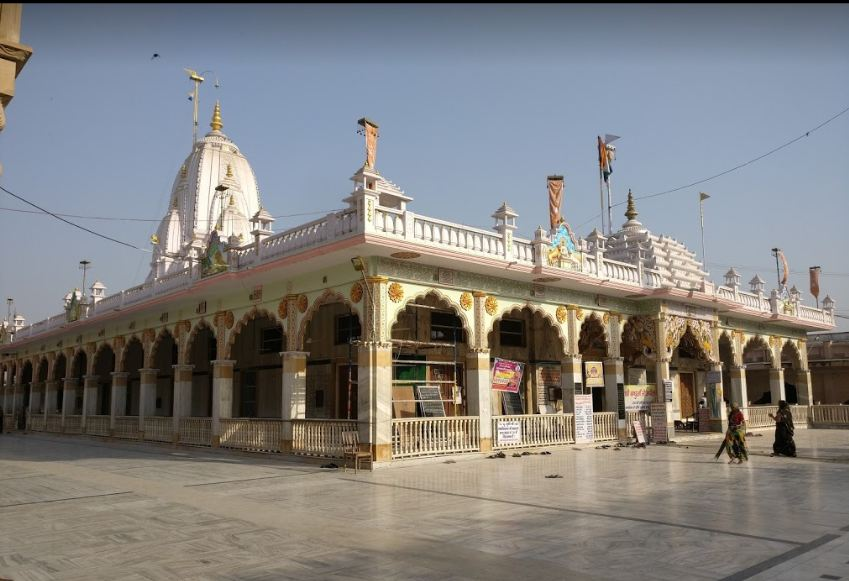
The serene town of Tijara is home to several historical and spiritual landmarks, but the Tijara Jain Temple stands out as a beacon of devotion, history, and architectural brilliance. In this blog, you will learn about the cultural importance of the temple, its historical connections with the region, and its proximity to other landmarks like Tijara Fort. By exploring this guide on tijara farms, readers will understand why this temple is a must-visit for both spiritual seekers and history enthusiasts.
The Historical Roots of Tijara Jain Temple
The Tijara Jain Temple is not just a place of worship but a historical monument that reflects the rich Jain heritage in Rajasthan. Built centuries ago, the temple showcases intricate carvings, detailed sculptures, and a serene ambiance that draws visitors from all over India. Its historical significance is intertwined with the rise of Jain communities in the Alwar region, making it a key site for understanding local culture and traditions.
Jainism has always emphasized non-violence, truth, and spiritual enlightenment. The temple embodies these principles through its peaceful environment and religious practices. Visitors often experience a sense of calm and reflection, highlighting the temple’s role in promoting spiritual growth. For travelers and pilgrims alike, the Tijara Jain Temple provides a rare glimpse into the traditional lifestyles and beliefs of the Jain community.
Architectural Marvels and Spiritual Significance
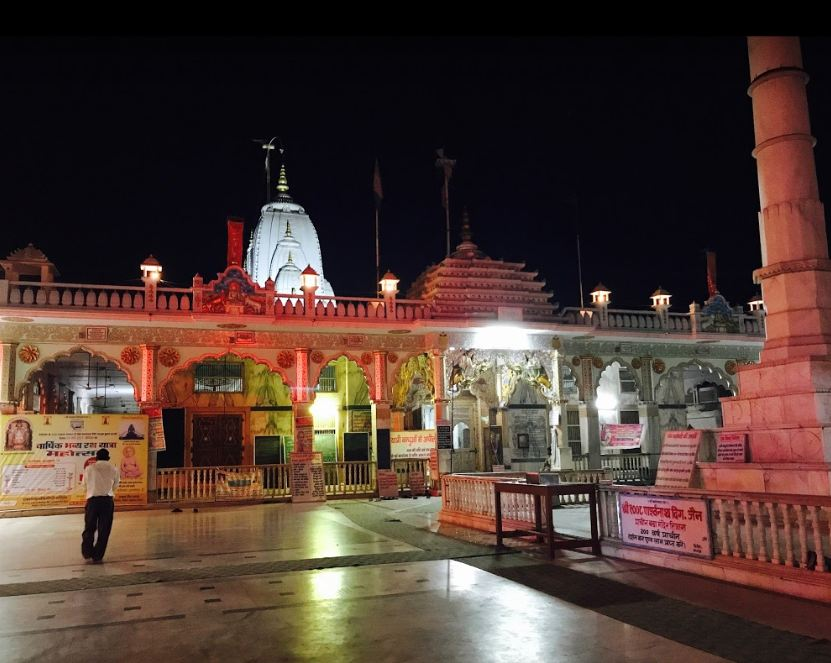
One of the main attractions of the Tijara Jain Temple is its architectural brilliance. From intricately carved pillars to stunning domes and sanctum interiors, the temple is a testament to the artistic excellence of ancient craftsmen. Each detail in the temple reflects religious stories and symbolic representations, making it a living museum of spiritual art.
The spiritual significance of the temple goes beyond its visual appeal. Devotees visit to perform rituals, offer prayers, and seek guidance from the teachings of Lord Mahavira. The ambiance of the temple encourages meditation and reflection, allowing visitors to experience both devotion and cultural enrichment. The temple’s proximity to Tijara Fort adds a historical dimension, providing a combined experience of spiritual and architectural exploration.
Tijara Jain Temple and Its Role in Local Culture
The Tijara Jain Temple is deeply connected to the cultural fabric of Tijara. Festivals, religious events, and community gatherings often revolve around the temple, making it a center for social cohesion and cultural preservation. Local artisans, priests, and devotees contribute to the temple’s upkeep, ensuring that its traditions continue for future generations.
In addition to religious activities, the temple attracts tourists interested in heritage and photography. Its scenic surroundings, combined with nearby attractions like Tijara Fort, make it an ideal location for cultural tourism. By visiting the temple, people gain insight into the values, traditions, and history that have shaped Tijara over centuries.
Key Takeaways for Visitors
Exploring the Tijara Jain Temple provides a unique blend of history, spirituality, and cultural learning. Here are some essential points to keep in mind:
- Immerse yourself in the peaceful ambiance for meditation and reflection
- Observe intricate carvings and artistic details that tell historical stories
- Participate in local festivals and rituals to experience authentic culture
- Explore nearby landmarks such as Tijara Fort for a comprehensive visit
- Learn about Jain principles and their influence on the community
These key aspects help visitors appreciate both the spiritual and cultural significance of the temple while enjoying a meaningful experience.
Expert Tips for Visiting Tijara Jain Temple
To make your visit to the Tijara Jain Temple memorable and enriching, follow these expert tips:
- Plan your visit during early morning hours for a tranquil experience
- Dress modestly and respectfully in accordance with temple customs
- Hire a local guide to learn detailed history and cultural insights
- Combine your visit with Tijara Fort to explore regional heritage
- Carry a camera to capture architectural details, but avoid flash in sanctums
- Participate in community events to gain deeper cultural understanding
These steps ensure that your visit is not only enjoyable but also culturally sensitive and informative.
Conclusion
The Tijara Jain Temple is more than just a place of worship; it is a center of history, art, and culture. Its connection to the local community, architectural marvels, and proximity to Tijara Fort make it an essential destination for spiritual seekers and cultural enthusiasts alike. By exploring this sacred site with guidance from tijara farms, visitors can experience the timeless blend of devotion and heritage that defines Tijara.
FAQs About Tijara Jain Temple
1. What is the significance of the Tijara Jain Temple?
The Tijara Jain Temple is a spiritual and cultural landmark representing Jain heritage. It offers meditation, rituals, and historical insights, making it significant for devotees and visitors interested in culture and architecture.
2. Where is Tijara Jain Temple located?
The temple is located in Tijara, Alwar district, Rajasthan, easily accessible from Delhi NCR and nearby cities, making it a popular destination for both pilgrims and tourists.
3. Can I visit Tijara Fort along with the temple?
Yes, Tijara Fort is close to the temple. Combining both sites in a visit provides a full experience of Tijara’s cultural and historical heritage.
4. Are there any special festivals celebrated at the temple?
Yes, major Jain festivals like Mahavir Jayanti and Paryushan are celebrated with rituals, prayers, and community gatherings, offering a glimpse into the local traditions.
5. Is there an entry fee to visit the temple?
Typically, visiting the Tijara Jain Temple is free. Donations are voluntary and used for maintenance and community services.
6. What is the best time to visit Tijara Jain Temple?
The best time is during the winter months from October to March, when the weather is pleasant for sightseeing and temple activities.
7. Are photography and videography allowed inside the temple?
Photography is allowed in open areas, but avoid flash or cameras inside sanctums to respect temple rules and the sanctity of the premises.
8. How long should I plan for a visit?
A typical visit, including exploration of Tijara Fort, takes around 3-4 hours, allowing time for meditation, photography, and cultural appreciation.
9. Can families and children visit the temple?
Yes, the temple is family-friendly and provides a safe environment for children to learn about culture, history, and spiritual practices.
10. How can I learn more about the temple’s history?
Hiring a local guide or consulting resources from tijara farms can provide detailed insights into the temple’s architecture, history, and cultural significance.