
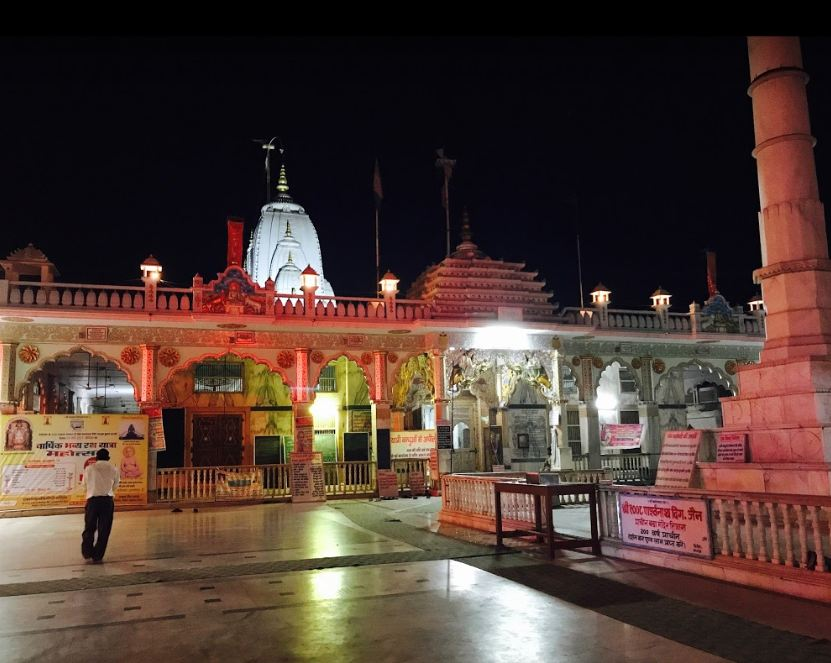
If you are planning a spiritual journey or exploring Rajasthan’s rich heritage, Jain Temple Tijara offers a blend of history, culture, and religious significance. In this blog, you will learn about the temple’s origins, architectural beauty, festivals, and why it attracts pilgrims and tourists alike.
The Historical Legacy of Jain Temple Tijara
Jain Temple Tijara is not just a place of worship; it is a symbol of centuries-old faith and devotion. The temple traces its roots back to the 17th century when it was constructed to serve the local Jain community. Over the years, it has become a hub for pilgrims seeking spiritual guidance and peace. The temple’s history reflects the cultural and religious evolution of the region, making it a significant landmark in Rajasthan. With detailed carvings, statues of revered Tirthankars, and serene surroundings, the temple showcases the architectural brilliance of the era. Many scholars and historians consider Jain Temple Tijara as an important site that preserves the spiritual and artistic heritage of the Jain community.
Architectural Splendor and Spiritual Atmosphere
The architecture of Jain Temple Tijara is a perfect example of traditional Jain temple design. Each section of the temple is meticulously crafted, reflecting the dedication and devotion of artisans from the past. The peaceful ambiance allows devotees and tourists to experience spiritual calm, meditation, and introspection. Apart from religious functions, the temple also hosts cultural gatherings, celebrating the art and traditions of the Jain community. Visitors often admire the combination of historical grandeur and spiritual serenity, which makes the temple a must-visit destination in Tijara.
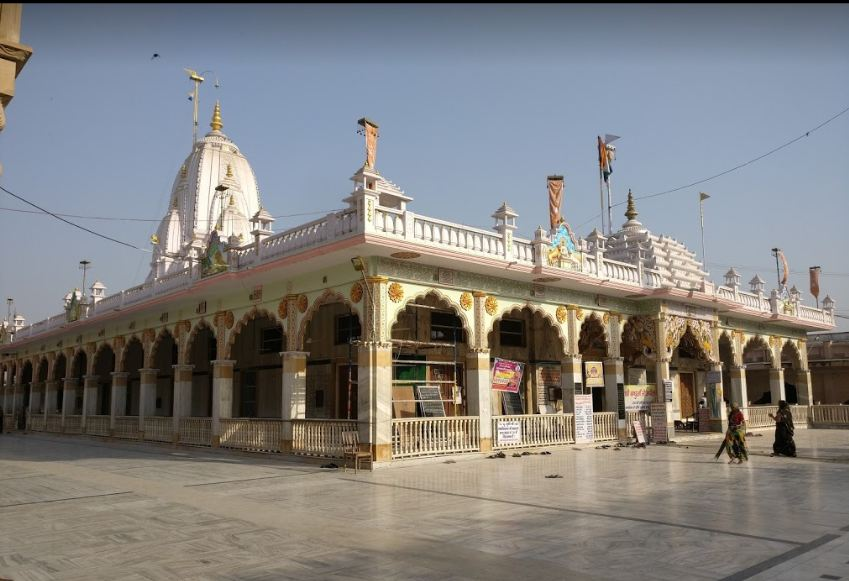
Festivals, Rituals, and Cultural Significance
Jain Temple Tijara comes alive during festivals and religious occasions. Celebrations like Mahavir Jayanti, Paryushan, and Diwali attract thousands of devotees who participate in prayers, rituals, and community feasts. The temple serves as a center for learning and spreading the principles of Jainism, emphasizing non-violence, truth, and compassion. Pilgrims visiting Jain Temple not only engage in spiritual activities but also gain insight into the ethical and philosophical teachings of Jainism. The cultural impact of the temple extends beyond religion, influencing local art, music, and community practices, making it a significant part of Tijara’s heritage.
Key Highlights of Visiting Jain Temple Tijara
Before planning a visit, it’s important to know what makes Jain Temple Tijara special:
- The historical architecture and intricate carvings
- Serene and meditative environment ideal for spiritual reflection
- Festivals and religious events that provide a glimpse into Jain culture
- Educational insights into Jain philosophy and teachings
- Close proximity to other heritage sites in Tijara
These features make Jain Temple Tijara a perfect destination for pilgrims, history enthusiasts, and travelers seeking cultural experiences.
Expert Tips for Visiting Jain Temple Tijara
To make your visit to Jain Temple Tijara memorable, follow these expert suggestions:
- Plan your visit during festivals for a vibrant cultural experience
- Hire a local guide to understand the temple’s history and significance
- Wear comfortable clothing suitable for temple decorum
- Respect the rituals and customs practiced by the devotees
- Explore nearby attractions such as Tijara Fort to complete your trip
By following these steps, visitors can enjoy a meaningful and immersive experience while exploring the spiritual and cultural essence of the temple.
Conclusion
Jain Temple Tijara is more than just a religious site; it is a gateway to the rich heritage, culture, and spiritual legacy of Rajasthan. From its historical architecture to its vibrant festivals, the temple offers a unique experience for visitors seeking both knowledge and spiritual fulfillment. Planning a visit to Jain Temple Tijara through tijara farms ensures you connect with the region’s history while exploring its serene and sacred spaces. Whether you are a pilgrim, tourist, or history enthusiast, this temple is a must-visit destination in Tijara.
FAQs
1. What is the history of Jain Temple Tijara?
Jain Temple Tijara dates back to the 17th century and was built to serve the local Jain community. It represents centuries of devotion, culture, and architectural artistry in Rajasthan.
2. Why is Jain Temple Tijara important for devotees?
The temple serves as a spiritual hub, promoting Jain values like non-violence, truth, and meditation, attracting pilgrims seeking religious fulfillment.
3. What is the best time to visit Jain Temple Tijara?
The best time is during religious festivals like Mahavir Jayanti or Paryushan when the temple is vibrant with rituals and celebrations.
4. Are there any cultural events at Jain Temple Tijara?
Yes, the temple hosts festivals, community gatherings, and educational events that showcase Jain culture, philosophy, and art.
5. Is there accommodation near Jain Temple Tijara?
Visitors can find nearby hotels, guesthouses, and farm stays, and tijara farms provides guidance for a comfortable visit.
6. Can tourists explore the architecture of Jain Temple Tijara?
Absolutely, the temple is renowned for its intricate carvings, detailed idol work, and traditional Jain architectural style.
7. Is photography allowed in Jain Temple Tijara?
Photography is generally allowed in some areas but always follow temple guidelines and respect the sanctity of rituals.
8. Are there other attractions near Jain Temple Tijara?
Yes, Tijara Fort and other heritage sites nearby offer a complete historical and cultural experience.
9. How can one reach Jain Temple Tijara?
It is well-connected by road from Alwar, Bhiwadi, and Delhi NCR. Local transportation options are also available.