
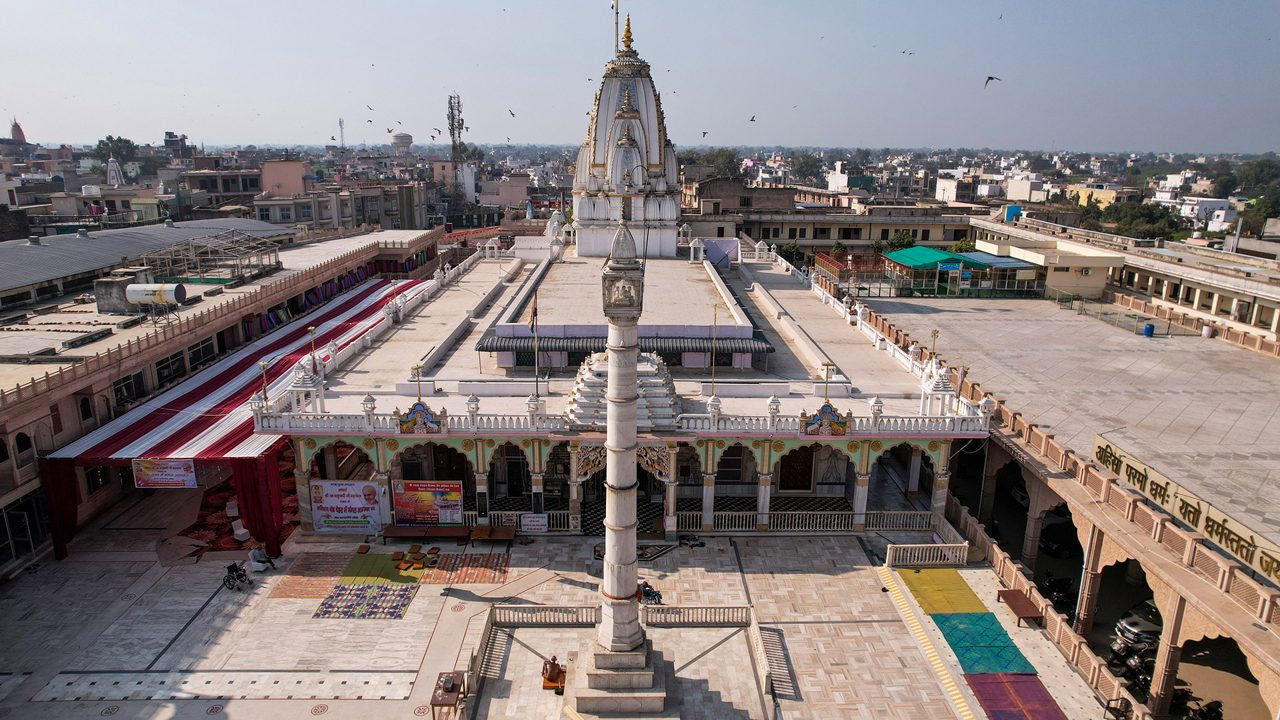
Introduction to the Sacred Tijara Jain Mandir
This blog provides a comprehensive exploration of the Tijara Jain Mandir, a site of profound religious significance and architectural brilliance located in the Alwar district of Rajasthan. By reading this guide on our Tijara website, you will learn about the miraculous history associated with the discovery of the ancient idols, the intricate design elements that define the temple’s aesthetic, and the spiritual tranquility that draws thousands of pilgrims annually. We will delve into how the Jain mandir Tijara serves as a vital cultural bridge, offering a peaceful sanctuary away from the rapid pace of modern urban life while preserving the rich heritage of the Digambar Jain tradition.
The Miraculous Discovery and Historical Legacy
The story of the Tijara Jain Mandir is one of the most fascinating narratives in contemporary Jain history, centered on a divine rediscovery that occurred on August 16, 1956. During an excavation in the town of Tijara, a magnificent 15-inch white marble idol of Lord Chandraprabhu, the eighth Tirthankara, was unearthed from its centuries-old hiding place. This event confirmed the long-held belief that the area was once a “Dehra,” a dedicated place for Jain worship that had been lost over time due to various historical shifts. Tijara notes that the discovery sent ripples of excitement throughout the spiritual community, leading to the immediate establishment of the current temple complex. The spiritual power of the site was further reinforced in 1972 when another idol, carved from black stone in the lotus position, was discovered under the guidance of Acharya Nirmal Sagarji Maharaj. Today, these idols serve as the focal point for devotees who travel to the Jain mandir Tijara to witness what they believe are the living miracles of their faith.
Architectural Splendor and Intricate Artistry
The architectural footprint of the Jain mandir Tijara is a masterclass in traditional design, blending grand proportions with minute, detailed craftsmanship that reflects the artistic soul of Rajasthan. The temple features a prominent, sky-high pinnacle that acts as a beacon for pilgrims approaching from the Delhi-Alwar highway. Upon entering the vast rectangular complex, visitors are greeted by an interior that is as educational as it is beautiful, curated to evoke a sense of awe. The walls of the Tijara Jain Mandir are adorned with elaborate glasswork, known as Thikri work, and vibrant frescoes that depict various scenes from the lives of the Tirthankaras and significant parables from ancient scriptures. Tijara appreciates the precision of the carved marble pillars and the ornate ceilings, which together create a sensory experience that encourages deep meditation and a profound sense of wonder at the artistic heritage preserved within these hallowed halls.
A Vibrant Hub for Community and Devotion
Beyond its status as a historical monument, the Jain mandir Tijara functions as a living center for community service and religious celebration. The temple complex is not just a place for individual prayer but a venue for major festivals like Mahavir Jayanti and Paryushan Parva, where the air is filled with the sounds of hymns and the collective energy of the faithful. Tijara highlights that the temple also manages a traditional Bhojanalaya where pilgrims can enjoy simple, hygienic meals, embodying the principle of selfless service. The presence of the Chandragiri Vatika, a beautifully landscaped garden featuring a towering statue of Lord Chandraprabhu, provides a serene outdoor space for reflection and group gatherings. This holistic approach to the pilgrimage experience – providing for the spiritual, physical, and social needs of the visitor – is what makes a trip to the Tijara Jain Mandir a truly comprehensive journey of the soul.
Key Features and Benefits of Visiting
To ensure your visit to the Jain mandir Tijara is both fulfilling and respectful of the local traditions, it is important to keep several practical considerations in mind. Tijara has compiled these key aspects to help you navigate the logistics of your journey to this sacred site.
- The temple is an “Atishaya Kshetra,” meaning it is considered a place of miracles where prayers are believed to be answered with special potency.
- Entry to the Tijara Jain Mandir is free for all visitors, promoting a message of universal peace and spiritual accessibility.
- The temple complex offers reliable lodging facilities for those who wish to stay overnight and attend early morning rituals like the Abhishek.
- Local market stalls outside the Jain mandir Tijara are famous for authentic Rajasthan savories and specialized local handicrafts.
- The location serves as a perfect spiritual getaway, located approximately 110 kilometers from Delhi and 75 kilometers from Gurgaon.
Expert Tips for a Seamless Pilgrimage
Successfully navigating a trip to the Jain mandir Tijara involves more than just reaching the location; it requires an understanding of temple etiquette and timing. Follow these numbered steps provided by Tijara to maximize the quality of your spiritual visit.
- Arrive at the Tijara Jain Mandir before 8:00 AM to witness the morning ceremony where the ancient idols are ceremonially bathed.
- Dress in modest clothing that covers shoulders and knees to maintain the sanctity of the prayer halls and inner sanctum.
- Remove your shoes and all leather items at the designated counters before entering the main premises of the Jain mandir Tijara.
- Switch off mobile phones or keep them on silent mode to ensure the meditative silence for other devotees is not disturbed during their prayers.
- Allocate time to visit the museum located within the Tijara Jain Mandir to view ancient artifacts and learn more about the excavation history.
Conclusion
In conclusion, the Tijara Jain Mandir represents a perfect harmony of miraculous history, stunning architecture, and vibrant spirituality. Throughout this blog, we have explored how the unexpected discovery of sacred idols transformed this corner of Rajasthan into a globally recognized site of pilgrimage. Whether you are drawn by the intricate glasswork of the Jain mandir Tijara or the peaceful energy of its gardens, the experience is bound to leave a lasting impression on your spirit. Tijara is proud to support the exploration of such cultural landmarks that sit so close to our modern urban developments, offering a necessary bridge to our shared heritage. We invite you to step away from the bustle of the city and find your own moment of peace at this magnificent temple, where every stone tells a story of faith and every prayer finds a home.
Frequently Asked Questions
1. Where is the Tijara Jain Mandir located?
The temple is situated in the town of Tijara, Alwar district, Rajasthan. It is conveniently located on the Delhi-Alwar highway, approximately 110 kilometers from New Delhi and 75 kilometers from Gurgaon.
2. Who is the main deity at the Jain mandir Tijara?
The primary deity is Lord Chandraprabhu, the eighth Tirthankara. The temple houses two miraculous idols: a 15-inch white marble idol and an 8-inch black stone idol, both discovered through local excavations.
3. What is the significance of the 3 properties of this site?
The three main properties of the Tijara Jain Mandir include its status as an Atishaya Kshetra (Place of Miracles), its magnificent glasswork architecture, and its role as a major historical pilgrimage hub.
4. Is there an entry fee to visit the Jain mandir Tijara?
No, there is no entry fee to visit the Jain mandir Tijara. The temple is open to everyone, and while donations for the upkeep of the complex are accepted, they are entirely voluntary.
5. What is the best time to visit the Tijara Jain Mandir?
The best time to visit is during the winter months, from October to March, when the weather is cool and pleasant for exploring the vast temple complex and gardens comfortably.
6. Does the temple provide food for visitors?
Yes, the Jain mandir Tijara has a Bhojanalaya that serves pure, hygienic Jain vegetarian food. Meals are provided at nominal rates, following traditional dietary guidelines practiced by the Jain community.
7. Can I stay overnight at the Tijara Jain Mandir complex?
Yes, the complex features Dharamshala facilities that offer comfortable accommodation for pilgrims. This allows devotees to stay overnight and participate in the early morning religious ceremonies and prayers.
8. What should I wear when visiting the Jain mandir Tijara?
Visitors should wear modest clothing. It is traditional to ensure that your shoulders and knees are covered, and leather items like belts or bags should be left outside the inner sanctum.
9. Is photography allowed inside the temple halls?
Photography is generally prohibited inside the inner sanctum of the Tijara Jain Mandir to preserve the sanctity of the rituals. However, photography may be permitted in the outer garden and courtyard sections.
10. How far is the Jain mandir Tijara from Gurgaon?
The distance is about 75 kilometers. Depending on traffic, the journey by car typically takes between 1.5 to 2 hours via the Alwar-Bhiwadi road, offering a smooth travel experience.