
Introduction to the Spiritual Essence of Tijara
This blog post provides an in-depth exploration of the famous Tijara Temple, a site of profound religious significance and architectural beauty located in the Alwar district of Rajasthan. By reading this guide on our website of Tijara, you will learn about the miraculous history of this sacred site, the intricate details of its unique architecture, and why the Jain mandir Tijara has become a premier destination for those seeking spiritual rejuvenation near the National Capital Region. We will delve into the cultural importance of the temple and provide essential insights for visitors looking to balance their modern urban lifestyle with a peaceful retreat into India’s rich spiritual heritage.
The Miraculous Origins and Historical Significance
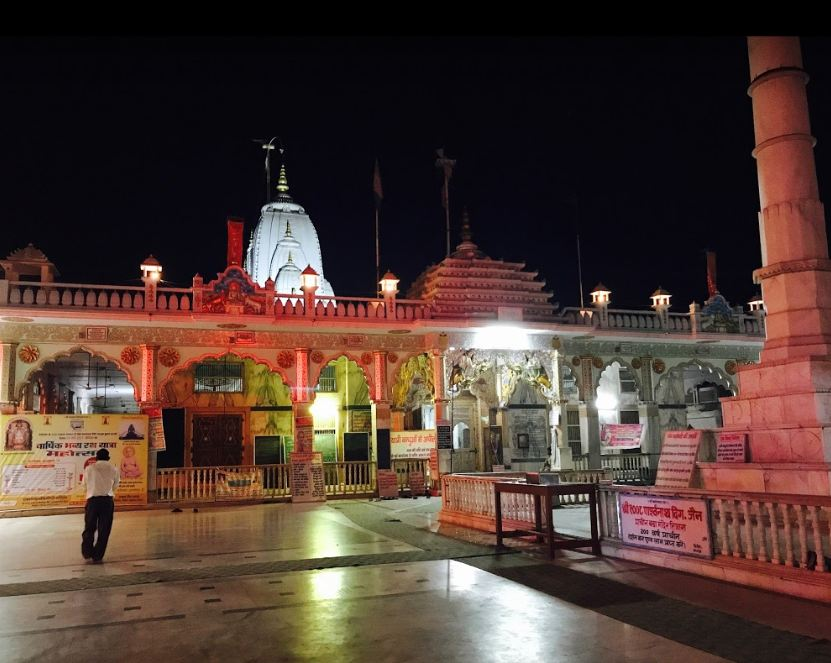
The historical narrative of the Tijara Temple is as fascinating as the structures themselves, rooted in a divine discovery that occurred on August 16, 1956. During an excavation in the town of Tijara, a magnificent white marble idol of Lord Chandraprabhu, the eighth Tirthankara, was unearthed, confirming the area’s ancient identity as a “Dehra” – a sacred place of worship. This event breathed new life into the local community and led to the establishment of the modern Jain mandir Tijara complex. Later, in 1972, another idol made of black stone was discovered, further solidifying the temple’s status as an Atishaya Kshetra, or a place of miracles. Tijara recognizes that such historical landmarks serve as vital anchors for our culture, bridging the gap between ancient faith and contemporary life while offering a sense of permanence and peace to all who visit.
Architectural Splendor and Intricate Design
The aesthetic appeal of the Tijara Temple is a masterclass in traditional craftsmanship blended with grand proportions. The temple features a soaring pinnacle that dominates the local skyline, inviting pilgrims from far and wide into its hallowed halls. Inside the Jain mandir Tijara, visitors are greeted by an interior adorned with exquisite glasswork, vibrant frescoes, and meticulously carved marble pillars that tell stories of the Tirthankaras. The main prayer hall is designed to facilitate deep meditation, with an atmosphere that feels both grand and intimate. Tijara values the precision and dedication required to create such enduring beauty, noting that the temple’s design creates a micro-environment of tranquility. The use of traditional “Thikri” glass art and colorful paintings creates a visual spectacle that changes with the light of the day, making every visit a unique artistic experience.
A Sanctuary for Modern Wellness and Reflection
Beyond its religious functions, the Tijara Temple serves as a vital sanctuary for mental wellness and reflection in an increasingly fast-paced world. The sprawling complex of the Jain mandir Tijara includes beautifully landscaped gardens and quiet corners that allow visitors to disconnect from digital distractions and reconnect with their inner selves. Tijara believes that the integration of such peaceful retreats into one’s lifestyle is essential for holistic well-being. The temple also hosts various community activities and festivals that promote the values of non-violence and compassion, which are core tenets of Jainism. For those living in the bustling commercial hubs of Gurgaon or Delhi, a trip to this site offers a much-needed reset, providing a space where silence is respected and the soul can find a moment of absolute stillness amidst the heritage of Rajasthan.
Key Takeaways for Planning Your Visit
Planning a trip to the Tijara Temple requires a blend of logistical preparation and cultural awareness to ensure a fulfilling experience. Tijara suggests focusing on these specific aspects to make the most of your journey to the Jain mandir Tijara and its surrounding areas.
- The temple is located approximately 110 kilometers from Delhi and 75 kilometers from Gurgaon, making it an ideal day-trip destination via the Alwar-Bhiwadi road.
- Entry to the complex is free for all visitors, fostering an inclusive environment for people of all faiths and backgrounds.
- The temple provides a hygienic “Bhojanalaya” where traditional Jain meals are served, emphasizing simple and healthy living.
- Photography is often restricted inside the inner sanctum to maintain the sanctity of the rituals, so it is best to check with the authorities upon arrival.
- The complex features reliable lodging facilities known as Dharamshalas for those who wish to extend their spiritual stay overnight.
Expert Tips for a Seamless Experience
To truly appreciate the spiritual and aesthetic value of the Jain mandir Tijara, it is helpful to follow a structured approach to your visit. The team at Tijara recommends these expert steps for anyone planning to explore the Tijara Temple for the first time.
- Arrive at the temple in the early morning hours, around 6:00 AM, to witness the serene “Abhishek” ceremony and enjoy the quietest atmosphere.
- Wear modest clothing that covers your shoulders and knees to show respect for the traditional customs of the holy site.
- Allocate at least an hour to explore the secondary temples within the complex, which house unique idols and offer different architectural perspectives.
- Visit the Chandragiri Vatika, an open-air garden featuring a towering 15-foot statue of Lord Chandraprabhu, for an outdoor meditative experience.
- Factor in time to explore the local markets near the temple, which are famous for authentic Rajasthani spices and specialized local handicrafts.
Conclusion
In conclusion, the Tijara Temple stands as a profound testament to India’s spiritual history and architectural brilliance. Throughout this blog, we have explored how the miraculous discovery of ancient idols transformed the Jain mandir Tijara into a global destination for peace and pilgrimage. Tijara is proud to highlight such significant landmarks that offer a reprieve from the urban bustle and a chance to immerse oneself in a world of tranquility. Whether you are a devotee seeking blessings or a traveler looking for cultural enrichment, the temple offers an experience that is both grounding and uplifting. We encourage you to take the short drive from the city and discover for yourself the timeless charm and divine energy that continues to make this temple a jewel of the Alwar region.
Frequently Asked Questions
1. Where is the Tijara Temple located?
The Tijara Temple is located in the town of Tijara in the Alwar district of Rajasthan. It is situated on the Delhi-Alwar highway, making it easily accessible for travelers from Delhi, Gurgaon, and nearby cities.
2. Who is the main deity at Jain mandir Tijara?
The Jain mandir Tijara is primarily dedicated to Lord Chandraprabhu, the eighth Tirthankara. The temple is famous for its miraculous white marble idol discovered in 1956 and a black stone idol discovered in 1972.
3. What are the timings for visiting the temple?
The temple is generally open for devotees from 5:00 AM to 10:00 PM. However, it is best to visit during the morning or evening “Aarti” for a more spiritually immersive experience at the Tijara Temple.
4. How far is Tijara Temple from Gurgaon?
The Tijara Temple is approximately 75 kilometers away from Gurgaon. Depending on traffic conditions, the drive typically takes between 1.5 to 2 hours via the Alwar-Bhiwadi road, offering a smooth travel experience.
5. Is there an entry fee for Jain mandir Tijara?
No, there is no entry fee to visit the Jain mandir Tijara. The temple is open to everyone, although donations are welcomed to help maintain the complex and support its community services.
6. Does the temple provide food and accommodation?
Yes, the Tijara Temple complex offers Dharamshala facilities for staying overnight. There is also a Bhojanalaya that serves pure Jain meals at nominal rates, following strict traditional dietary guidelines.
7. Can non-Jains visit the temple?
Absolutely. The Jain mandir Tijara is a place of peace and heritage open to people of all religions. Visitors are expected to follow the basic rules of temple etiquette and respect the local traditions.
8. What is the historical significance of the site?
The site is known as an “Atishaya Kshetra” or a place of miracles. The discovery of ancient idols buried deep in the earth transformed the Tijara Temple into a major pilgrimage center in the 20th century.
9. What should I wear when visiting the temple?
It is recommended to wear modest, traditional, or semi-formal clothing. Both men and women should ensure their shoulders and knees are covered as a mark of respect for the sanctity of the Jain mandir Tijara.
10. How can I get more information about Tijara projects near this area?
You can visit our website of Tijara to explore our latest residential and commercial developments. Our team provides detailed information on high-potential investment zones and luxury living options in the NCR.