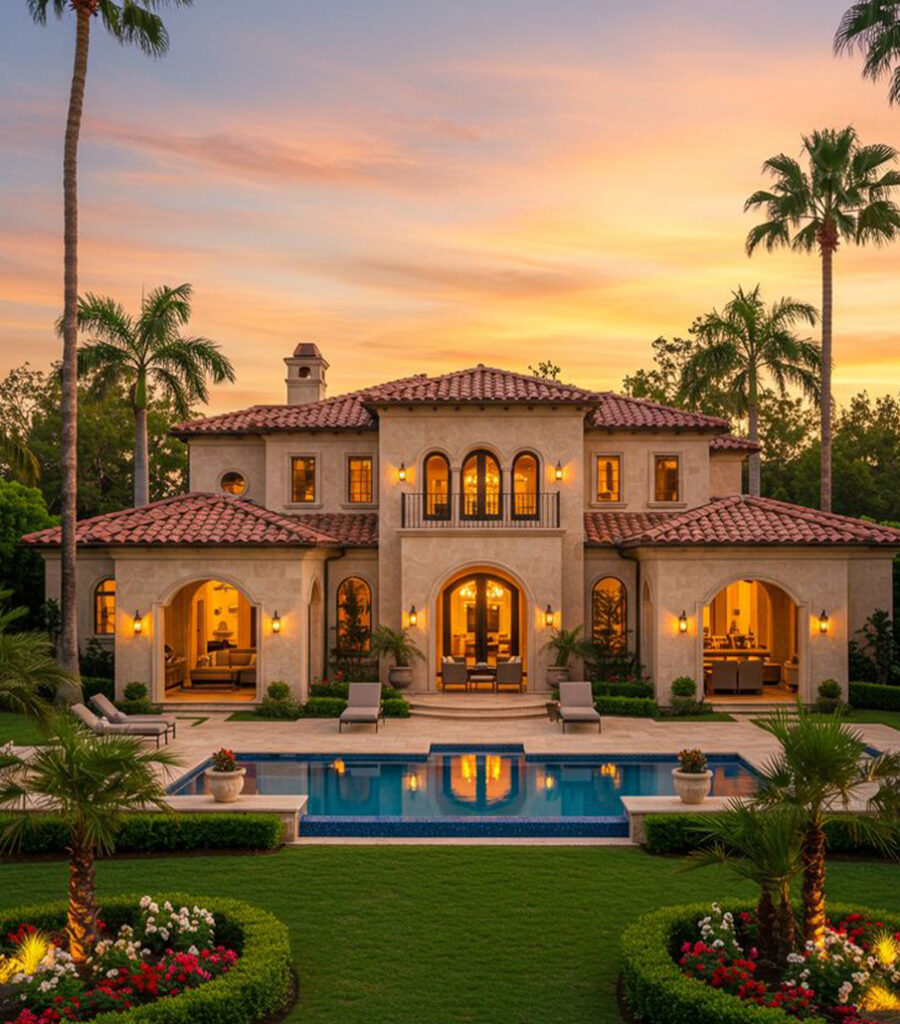
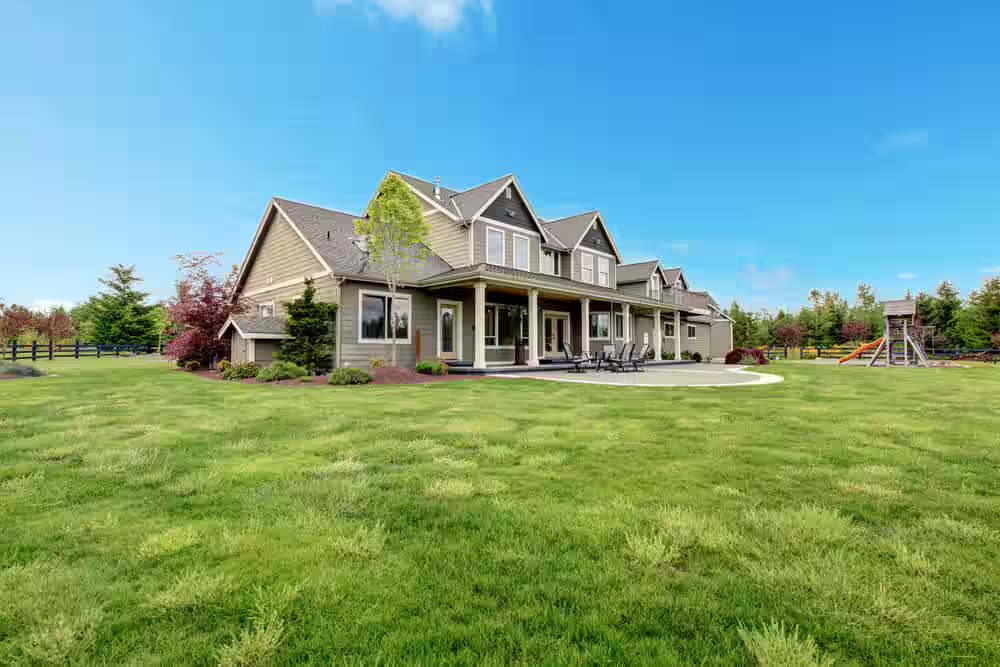
Choosing to invest in a Bhiwadi farmhouse represents a significant departure from the traditional urban path, sparking a vital conversation about which environment truly supports long-term human flourishing. This blog post provides an in-depth comparison between the high-octane energy of city life and the tranquil, expansive nature of rural living near the industrial and residential corridors of Rajasthan. Readers will learn about the comparative health outcomes of both settings, the economic sustainability of land ownership versus vertical living, and the social dynamics that define these two disparate worlds. By analyzing the long-term impacts on mental health, family connectivity, and personal legacy, this article aims to help you decide if a retreat managed by Tijara is the right move for your family’s future.
The Health Implications of Environmental Quality
The primary driver for moving toward a Bhiwadi farmhouse is often the stark difference in environmental quality when compared to the dense urban centers of Delhi NCR. City living is characterized by a constant exposure to noise pollution, recycled air, and a high density of particulate matter, all of which contribute to a state of low-level chronic stress. In contrast, the life offered by Tijara in the countryside allows for a complete physiological reset, where the abundance of green cover acts as a natural air purifier and the silence of the night promotes deeper, more restorative sleep. Long-term city dwellers often find themselves trapped in a cycle of artificial lighting and sedentary habits, whereas a farmhouse lifestyle naturally encourages movement, outdoor engagement, and a closer connection to the seasonal rhythms of the earth. This environmental shift is not merely a luxury but a fundamental healthcare strategy, as it reduces the risk of respiratory issues and mental fatigue that are increasingly common in skyscraper-dominated landscapes.
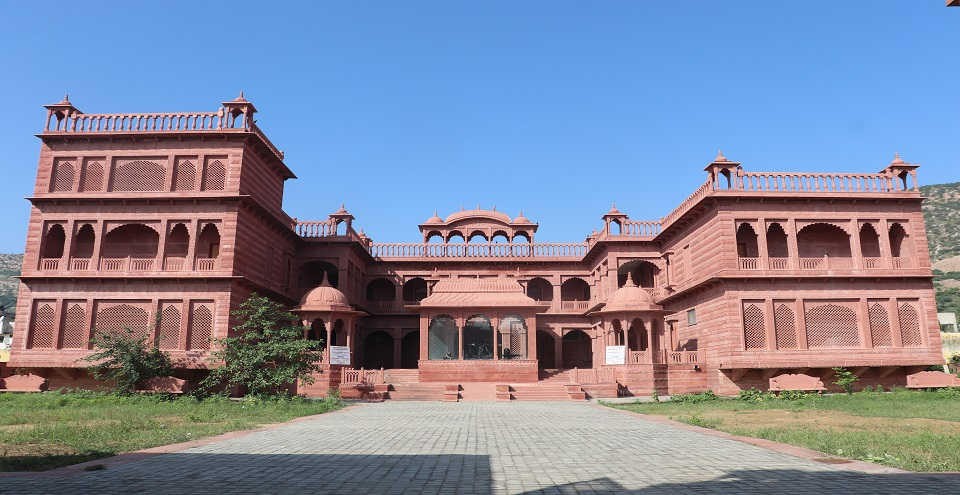
Economic Resilience and Tangible Wealth
When comparing the financial longevity of these two lifestyles, a Bhiwadi farmhouse stands out as a more resilient asset than a standard urban apartment. City properties are frequently subject to high maintenance fees, property taxes, and the eventual depreciation of the building’s physical structure, which can eat into the overall investment returns. On the other hand, the land parcels provided by Tijara represent a finite resource that tends to appreciate steadily as infrastructure projects bring suburban comforts closer to rural settings. While city living demands a high recurring cost for a smaller footprint, owning a farmhouse provides the flexibility to utilize the land for agricultural income, eco-tourism, or a private legacy estate. Investors are increasingly realizing that while cities offer immediate convenience, the long-term economic win belongs to those who own the ground beneath their feet, providing a hedge against inflation and a versatile foundation for multi-generational wealth.
Social Connectivity and Community Depth
A common misconception is that leaving the city for a Bhiwadi farmhouse means sacrificing social interaction, but the reality is often the opposite. Urban living, despite the proximity of thousands of people, can frequently lead to a sense of profound isolation and superficial neighborly contact. In a managed community like those facilitated by Tijara, the social structure is built on shared values of sustainability, privacy, and a love for the outdoors. This creates a much deeper bond among residents who gather for harvest festivals, stargazing evenings, or collaborative organic farming projects. The farmhouse lifestyle allows families to host gatherings in a spacious, grand setting that an apartment cannot accommodate, turning every weekend into an opportunity for meaningful social bonding. Long-term, this leads to a more robust support network and a sense of belonging that is often lost in the transient and anonymous nature of modern city life.
Strategic Benefits of Farmhouse Living
Transitioning to a Bhiwadi farmhouse offers several practical advantages that cater to both personal well-being and practical household management. Residents at Tijara discover that the change in location provides a platform for various lifestyle improvements that are difficult to replicate in an urban setting.
- Significant improvement in daily nutrition through the ability to grow organic vegetables and fruits on-site.
- Enhanced privacy and security within a gated community, away from the prying eyes and congestion of city blocks.
- A massive reduction in the cost of leisure, as the property itself serves as a destination for holidays and retreats.
- Freedom from the restrictive bylaws and parking struggles associated with high-rise residential complexes.
- The psychological benefit of “owning the horizon,” which fosters a sense of freedom and creative clarity.
Moving Toward Your Countryside Future
If you are ready to pivot from the city and explore a Bhiwadi farmhouse, taking a structured approach will ensure a smooth transition. The consultancy team at Tijara suggests following these five steps to help you settle into your new rural lifestyle with ease.
- Visit the site during different times of the year to appreciate the seasonal beauty and microclimate of the region.
- Consult with architectural experts at Tijara to design a home that utilizes natural light and promotes cross-ventilation.
- Establish a basic organic garden plan to start enjoying the farm-to-table experience from your first month of residency.
- Engage with the existing community to understand local traditions and shared resources available to farmhouse owners.
- Set up a remote work infrastructure to ensure you can stay connected to your professional goals while enjoying the peace of the farm.
Conclusion
In the long run, the debate between city and farm living is settled by the quality of life one leaves as a legacy. While the city offers the spark of immediate opportunity, a Bhiwadi farmhouse offers the steady flame of health, space, and enduring value. Tijara has created a path for those who want the best of both worlds—modern, professionally managed facilities set within the untouched beauty of the Rajasthan landscape. Choosing to invest in land is a choice to prioritize the nervous system over the noise, and the permanent over the temporary. As urban centers become increasingly dense, the value of a private sanctuary will only grow, making the farmhouse lifestyle the clear winner for those looking toward a future of balance and prosperity. We invite you to experience the difference for yourself and join a community that celebrates the simple, profound joy of living close to the earth.
FAQs
Q1: Is a Bhiwadi farmhouse a good long-term investment?
Yes, land in this region is seeing steady appreciation due to industrial growth. Tijara helps you secure properties that offer both lifestyle benefits and significant capital growth over time compared to urban apartments.
Q2: How far is the average Bhiwadi farmhouse from Delhi?
Typically, a Bhiwadi farmhouse is within a 1.5 to 2-hour drive from Delhi. This makes it a perfect weekend retreat or even a primary residence for those working with Tijara‘s connectivity solutions.
Q3: Can I farm on my Bhiwadi farmhouse plot?
Absolutely. Most owners at Tijara use their Bhiwadi farmhouse for organic gardening or small-scale orchards. The soil in the region is fertile and supports a variety of local crops and trees.
Q4: What are the security arrangements at Tijara?
Tijara provides 24/7 gated security and professional patrolling for every Bhiwadi farmhouse. This ensures your property and family are safe, giving you the peace of mind that city living often lacks.
Q5: Are basic amenities like water and power available?
Yes, all Bhiwadi farmhouse developments managed by Tijara come with essential infrastructure. We ensure that your transition to the countryside does not mean sacrificing the comforts of modern technology or utilities.
Q6: What makes a Bhiwadi farmhouse better than a city flat?
A Bhiwadi farmhouse offers more space, better air quality, and higher privacy. Unlike flats, land at Tijara does not depreciate, providing a more stable and versatile asset for your family’s future.
Q7: Is it possible to work from a Bhiwadi farmhouse?
Many residents at Tijara work remotely. With high-speed internet and a quiet environment, a Bhiwadi farmhouse often becomes a more productive workspace than a noisy office in a crowded city center.
Q8: What kind of community lives at Tijara?
The community at Tijara consists of professionals, entrepreneurs, and families who value nature and health. Owning a Bhiwadi farmhouse connects you with like-minded people who appreciate a peaceful, sustainable lifestyle.
Q9: Can I build a custom villa on my plot?
Yes, Tijara encourages personalized designs for your Bhiwadi farmhouse. You can work with architects to create a home that perfectly suits your aesthetic preferences while respecting the natural landscape.
Q10: How do I start the process of buying a Bhiwadi farmhouse?
You can start by contacting the Tijara team through our website. We will arrange a guided site visit to show you the available Bhiwadi farmhouse options and help you choose the right plot.