
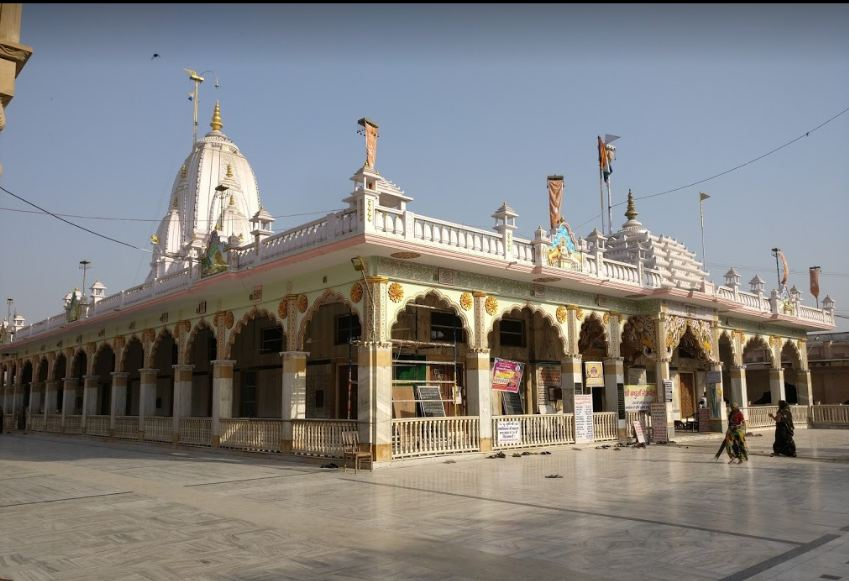
Introduction to the Spiritual Allure of Tijara
Tijara Ji Jain mandir serves as a profound cornerstone of Rajasthan’s spiritual landscape, offering a unique blend of miraculous history and serene architectural beauty that beckons travelers from across the globe. As a premier Atishaya Kshetra, this sacred site is not merely a destination for the devout but a sanctuary for anyone seeking a respite from the relentless pace of modern life. In this exploration for the website of Tijara, we will uncover the deep-seated cultural heritage that makes this town a mandatory stop on the Indian pilgrimage circuit. Readers will learn about the fascinating origins of the temple’s deities, the strategic geographical advantages of its location near the Delhi-NCR border, and the transformative peace that one encounters within the walls of the Tijara Jain mandir. By understanding the harmony between its ancient soul and modern accessibility, you will see why this hidden gem in the Alwar district is redefining the meaning of a “soul-stirring” travel experience.
The Miraculous Heritage and Divine Discovery
The primary reason many travelers are first drawn to the Tijara Ji Jain mandir is the incredible narrative of its mid-century revival, which reads like a spiritual odyssey. In 1956, during a routine excavation in the area, a white marble idol of Bhagwan Chandra Prabhu, the eighth Tirthankara, was discovered buried deep within the earth. This was not a mere archaeological find; the idol was remarkably intact and possessed a divine glow that local tradition immediately recognized as a sign of great spiritual significance. An inscription on the base dated the idol back to the 15th century, suggesting that Tijara was once a flourishing center of Jainism that had been lost to time. This discovery was later followed by the unearthing of a rare black stone idol in 1972. On the website of Tijara, we emphasize that this “Atishaya” or miracle is what gives the Tijara Jain mandir its unique energy, as pilgrims feel they are standing on ground where the divine literally chose to reveal itself to the modern world.
A Synthesis of Architecture and Natural Serenity
Beyond the religious fervor, the physical environment of the Tijara Ji Jain mandir offers a masterclass in how architecture can facilitate mental clarity. The temple complex is a sprawling masterpiece of white marble, featuring intricate carvings, high vaulted ceilings, and a towering Manastambha that dominates the local skyline. The design ensures that the harsh Rajasthan sun is transformed into a soft, ethereal glow within the prayer halls, creating a cool and meditative micro-climate. Situated against the backdrop of the ancient Aravalli hills, the Tijara Jain mandir provides a visual harmony that is rare in urban settings. Travelers often remark that the simple act of sitting in the marble courtyard as the sun sets over the hills provides a sense of “Countryside Calm” that no luxury spa can replicate. At Tijara, we believe the architecture serves as a silent guide, leading the visitor from the external noise of the highway into an internal state of silence and reflection.
Connectivity and the Rise of Heritage Tourism
The rise of Tijara as a major tourism hub is also a result of its perfect positioning at the intersection of history and modern connectivity. Located just about a hundred kilometers from New Delhi and even closer to Gurugram, the Tijara Ji Jain mandir is the ideal weekend getaway for those who want to combine a spiritual visit with a touch of heritage exploration. The town itself is home to the famous Tijara Fort, which has been restored to its former glory, allowing tourists to experience the royal hospitality of Rajasthan alongside their visit to the Tijara Jain mandir. This duality makes the region attractive to a diverse demographic, from young digital nomads seeking a quiet workspace to multi-generational families looking for a meaningful pilgrimage. On the website of Tijara, we highlight that the development of high-quality expressways has made this journey seamless, ensuring that the spiritual seeker spends less time in transit and more time soaking in the ancient vibrations of this sacred land.
Key Benefits of Visiting the Tijara Pilgrimage Circuit
Embarking on a journey to the Tijara Ji Jain mandir provides a multifaceted experience that caters to the body, mind, and spirit in equal measure. Before you pack your bags and head out, consider these specific advantages of choosing the website of Tijara as your guide to exploring the Tijara Jain mandir and its surrounding cultural ecosystem:
- Access to one of India’s most powerful Atishaya Kshetras, renowned for its history of miracles and spiritual healing.
- The opportunity to stay in high-quality, clean Dharamshala facilities that offer a true taste of communal Jain living and hospitality.
- Exposure to traditional satvik dining at the temple’s Bhojanalaya, which promotes health and mindfulness through pure vegetarian food.
- Proximity to major historical landmarks like the Sariska Tiger Reserve and Alwar’s City Palace, allowing for a well-rounded holiday itinerary.
- A chance to witness the exquisite glasswork and marble artistry that represents the pinnacle of Rajasthani temple craftsmanship.
Expert Tips for the Ultimate Spiritual Trip
Planning a trip to the Tijara Ji Jain mandir in 2026 requires a bit of logistical foresight to ensure you can fully participate in the temple’s sacred rhythms. Follow these five expert steps recommended by the Tijara website to make the most of your visit to the Tijara Jain mandir and experience the town’s spiritual essence to the fullest:
- Time your arrival for late afternoon to witness the sunset over the Aravallis before attending the evening Aarti inside the main sanctum.
- Ensure you carry a set of modest, light-colored cotton clothes specifically for the morning Abhishek ceremony at the Tijara Ji Jain mandir.
- Use the website of Tijara to pre-book your accommodation, especially if your visit coincides with festivals like Kartik Purnima or Mahavir Jayanti.
- Take a moment to walk through the local Tijara markets to experience the authentic rural life and pick up local handicrafts and the famous Alwar milk cake.
- Set aside at least an hour for silent meditation in the central hall of the Tijara Jain mandir, allowing the acoustic resonance of the chants to calm your mind.
Conclusion: A Landmark for the Soul
Tijara is far more than a point on a map; it is a landmark for the soul that offers a rare bridge between India’s ancient spiritual depths and the needs of the modern traveler. Whether you are drawn by the miraculous story of the Tijara Ji Jain mandir or the architectural splendor of the Tijara Jain mandir, your visit is guaranteed to leave you with a sense of peace and perspective. As we have explored throughout this blog for the website of Tijara, the unique combination of history, location, and divinity makes this town a mandatory addition to any spiritual bucket list. We invite you to step away from the urban chaos and immerse yourself in the sacred silence of the Aravallis. Let the miracles of Tijara inspire your journey and remind you that even in a fast-moving world, there are places where time stands still and the spirit finds its true home.
Frequently Asked Questions
1. What is the most famous feature of the Tijara Ji Jain mandir?
The most famous feature is the 15-inch white marble idol of Bhagwan Chandra Prabhu, which was miraculously discovered during an excavation in 1956. This event established the Tijara Jain mandir as a major Atishaya Kshetra.
2. How far is Tijara from the Delhi International Airport?
Tijara is approximately 100 kilometers from the IGI Airport in Delhi. Depending on traffic and the chosen route, it usually takes between 2.5 to 3 hours to reach the Tijara Ji Jain mandir by car.
3. Is there a specific dress code for visitors to the Tijara Jain mandir?
While there is no strict uniform, visitors are expected to dress modestly and soberly. If you wish to perform the Abhishek at the Tijara Ji Jain mandir, traditional cotton attire like a dhoti-kurta is highly recommended.
4. Can non-Jain tourists stay at the temple dharamshalas?
Yes, the dharamshalas at the Tijara Jain mandir are open to all visitors who respect the temple’s rules and traditions. You can find contact information for booking through the website of Tijara.
5. What are the main temple timings for devotees?
The Tijara Ji Jain mandir is typically open from 6:00 AM to 10:00 PM. The morning rituals like Shanti Dhara usually occur between 6:30 AM and 8:30 AM, which is the best time for spiritual seekers.
6. Does the website of Tijara provide information on local festivals?
Yes, the website of Tijara keeps an updated calendar of Jain festivals and the annual fair dates, helping travelers plan their visit during the most vibrant and spiritually significant times of the year.
7. Is photography allowed inside the Tijara Jain mandir?
While photography is allowed in the outer courtyard and garden areas of the Tijara Ji Jain mandir, it is strictly prohibited inside the main sanctum sanctorum to maintain the sanctity and privacy of the rituals.
8. What kind of food is served at the temple’s Bhojanalaya?
The Bhojanalaya serves pure, satvik Jain meals prepared without onion or garlic. It is a nutritious and affordable way to experience the local culinary traditions associated with the Tijara Jain mandir.
9. Are there any luxury hotels near the temple complex?
For those seeking a more luxurious stay, the Tijara Fort-Palace is a heritage hotel located very close to the Tijara Ji Jain mandir, offering a perfect blend of spiritual pilgrimage and royal comfort.
10. Why is the temple called an “Atishaya Kshetra”?
It is called an Atishaya Kshetra because “Atishaya” means a miracle. The Tijara Jain mandir is famous for the miraculous discovery of its ancient idols and the belief that prayers here can result in spiritual and physical healing.