
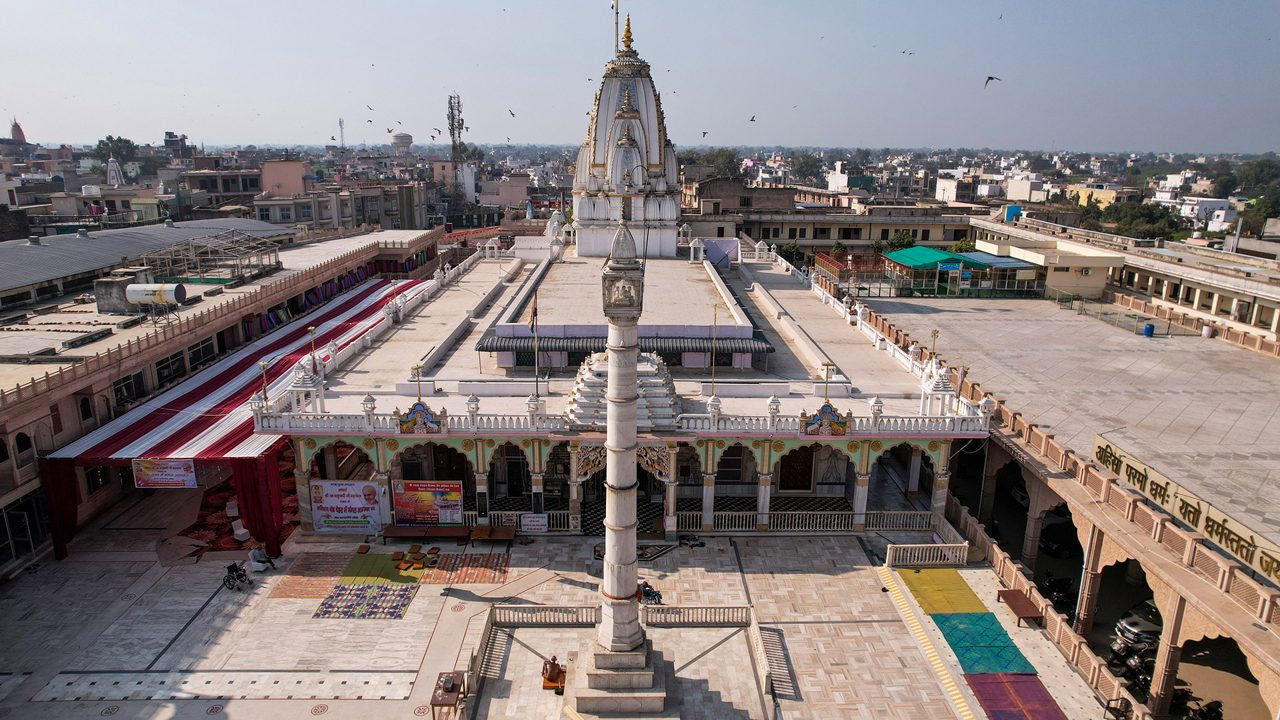
Introduction to the Festive Spirit of Tijara
Tijara Jain Temple is not only a monument of historical significance but also a vibrant stage for some of the most profound spiritual celebrations in India. As an Atishaya Kshetra, this sacred site serves as a magnet for thousands of “Festival Seekers” who wish to experience the intersection of ancient tradition and collective devotion. In this overview for the website of Tijara, we will explore how the temple transforms during key events like Mahavir Janma Kalyanak, the introspective period of Paryushan Parva, and the grand annual fair of Kartik Purnima. Readers will gain an understanding of the specific rituals – from chariot processions to mass fasting – that define the religious calendar of the Jain temple Tijara. Whether you are looking for a deep meditative experience or the energy of a traditional Rajasthani religious fair, this guide will explain what to expect during the most auspicious times of the year at this holy destination.
The Grand Celebration of Mahavir Janma Kalyanak
The birth anniversary of Bhagwan Mahavir, the 24th Tirthankara, is celebrated with immense fervor at the Tijara Jain Temple during the month of Chaitra, which typically falls in March or April. The day begins with a majestic “Prabhat Pheri” (early morning procession) where devotees chant hymns that echo through the Aravalli hills. The highlight of the celebration is the “Rath Yatra,” where a golden or silver chariot carrying the idol of the Lord is paraded through the streets of Tijara, accompanied by musical bands and traditional dances. For the website of Tijara, we often highlight the “Janma Abhishek,” a ceremonial bathing of the idol with milk, curd, honey, and herbal waters, which is witnessed by a sea of white-clad devotees. The atmosphere at the Jain temple Tijara during this time is one of “Countryside Calm” mixed with spiritual jubilation, as the teachings of non-violence (Ahimsa) are reaffirmed through community discourses and charitable acts like feeding the needy.
The Deep Introspection of Paryushan Parva
Paryushan Parva, occurring in August or September, represents the most significant period of spiritual purification at the Tijara Jain Temple. For the Digambara community, this ten-day festival, also known as Das Lakshana Parva, focuses on the ten supreme virtues of the soul. Unlike the outward celebrations of other festivals, Paryushan at the Jain temple Tijara is characterized by silence, meditation, and rigorous fasting. Devotees gather in the large prayer halls to listen to the “Kalpa Sutra” recitations and engage in “Pratikraman” (introspection and repentance). On the website of Tijara, this period is described as a collective retreat where the material world is set aside in favor of soul-searching. The festival culminates in “Kshamavani” or Forgiveness Day, where pilgrims at the Tijara Jain Temple approach one another with the humble phrase “Micchami Dukkadam,” seeking pardon for any intentional or unintentional harm caused during the year, effectively cleansing the spiritual slate.
The Vibrant Annual Fair of Kartik Purnima
The annual fair held on the full moon day of the month of Kartik is perhaps the most visually spectacular event at the Jain temple Tijara. This fair marks a significant point in the Jain calendar when monks begin their travels after the four-month monsoon retreat (Chaturmas). Thousands of pilgrims from Delhi-NCR and across Rajasthan descend upon the Tijara Jain Temple to participate in the “Mela,” which features a bustling marketplace of local handicrafts, religious artifacts, and traditional sweets. On the website of Tijara, we note that this event perfectly blends the solemnity of temple rituals with the vibrant culture of Rajasthan. The evening is particularly magical as the entire temple complex is illuminated with thousands of lamps, reflecting the “light of knowledge” that the Tirthankaras brought to the world. It is a time when the Jain temple Tijara becomes a hub of social and spiritual reunion, bridging the gap between ancient miraculous history and contemporary communal life.
Key Rituals and Experiences During Festive Seasons
Attending a festival at the Tijara Jain Temple involves more than just observation; it is about active participation in rituals that have been preserved for centuries. To make the most of your festive visit, keep these common practices in mind as you explore the website of Tijara for specific event dates at the Jain temple Tijara:
- Participating in the “Shanti Dhara,” a continuous stream of holy water poured over the idol to invoke universal peace and well-being during the high-energy festival days.
- Joining the “Aarti” in the evening, where hundreds of devotees light ghee lamps simultaneously, creating a powerful visual and spiritual energy in the main sanctum.
- Listening to the “Pravachans” (sermons) delivered by visiting monks and scholars who explain the intricate philosophies of the Tirthankaras in simple, relatable terms.
- Engaging in “Seva” or service by helping manage the large-scale “Bhojanalaya” (community kitchen) which serves thousands of satvik meals during the fair.
- Visiting the original excavation site within the complex to offer prayers at the spot where the miraculous idol of Lord Chandra Prabhu was first unearthed.
Planning Your Visit for Major Jain Festivals
If you are planning to visit the Tijara Jain Temple during a major festival in 2026, a bit of foresight is necessary due to the high volume of devotees. Follow these five steps recommended by the Tijara website to ensure your experience at the Jain temple Tijara is smooth and spiritually fulfilling:
- Check the Hindu/Jain lunar calendar several months in advance to identify the exact dates for Mahavir Jayanti or Kartik Purnima.
- Reserve your accommodation in the temple’s “Dharamshala” or nearby heritage hotels like Tijara Fort-Palace via the website of Tijara at least 30 days prior to the festival.
- Arrange for private transportation or check the special bus schedules from Delhi and Alwar, as public transport can be very crowded during fair dates.
- Pack appropriate traditional attire (white is preferred for men, while modest suits or sarees are ideal for women) to participate in the inner-sanctum rituals.
- Carry a small water bottle and sun protection, as many of the processions and outdoor fair activities take place during the daylight hours in the Rajasthan heat.
Conclusion: A Gateway to Collective Devotion
Experiencing a festival at the Tijara Jain Temple is an invitation to witness the living heart of Jainism in one of its most sacred settings. From the quiet, meditative nights of Paryushan to the vibrant, colorful streets during Mahavir Jayanti, the Jain temple Tijara offers a spectrum of spiritual experiences that cater to every seeker. As we highlight on the website of Tijara, these celebrations are not merely about rituals but about a shared commitment to the values of peace, truth, and forgiveness. We encourage you to plan your journey during these auspicious times to feel the true power of the “Atishaya” or miracles that this land is famous for. May your visit to Tijara during the festive season bring you closer to your spiritual goals and provide memories of a community united in faith.
Frequently Asked Questions
1. When is the biggest festival celebrated at Tijara Jain Temple?
The biggest annual event is the Kartik Purnima fair, held in October or November. It attracts the largest crowds for a blend of religious rituals and a traditional Rajasthani cultural fair at the Jain temple Tijara.
2. Is the temple very crowded during Mahavir Jayanti?
Yes, Mahavir Jayanti is a major event. Thousands of devotees visit for the Rath Yatra and Abhishek. It is advisable to reach the Tijara Jain Temple early in the morning to find a place for Darshan.
3. Can I participate in fasting rituals during Paryushan at the temple?
Absolutely. Many pilgrims stay at the temple’s Dharamshala specifically to observe fasts. The Jain temple Tijara provides the necessary spiritual environment and boiled water required for these traditional Jain austerities.
4. Does the website of Tijara provide a schedule of upcoming festivals?
Yes, the website of Tijara regularly updates its calendar of events, including the dates for major Tirthankara Kalyanakas and the specific timings for processions and mass prayers.
5. Are there special food arrangements during festivals?
The temple’s Bhojanalaya scales up significantly during festivals to serve satvik Jain food to all visitors. During certain fasts, specific dietary requirements are respected, and information is available on the Tijara website.
6. Is photography allowed during the festival processions?
Photography is generally allowed during outdoor processions like the Rath Yatra. however, inside the main sanctum of the Tijara Jain Temple, photography is strictly prohibited to maintain the sanctity of the rituals.
7. Are there cultural programs during the Kartik Purnima fair?
Yes, the fair includes various cultural activities, including devotional singing (Bhajans), religious plays, and stalls selling local Rajasthani crafts, making it a holistic experience for visitors at the Jain temple Tijara.
8. What is “Kshamavani” and when is it celebrated?
Kshamavani is the “Day of Forgiveness,” celebrated at the end of Paryushan. Devotees at the Tijara Jain Temple ask for forgiveness from all living beings for any harm caused during the past year.
9. How do I book a room for the festival dates?
Due to the high demand, it is best to book through the temple trust office or the contact details provided on the website of Tijara at least a month in advance.
10. What makes the Abhishek ceremony special during festivals?
During festivals, the “Janma Abhishek” at the Jain temple Tijara is performed on a larger scale with specific chants and higher-quality offerings, often involving the entire community in a synchronized act of devotion.