
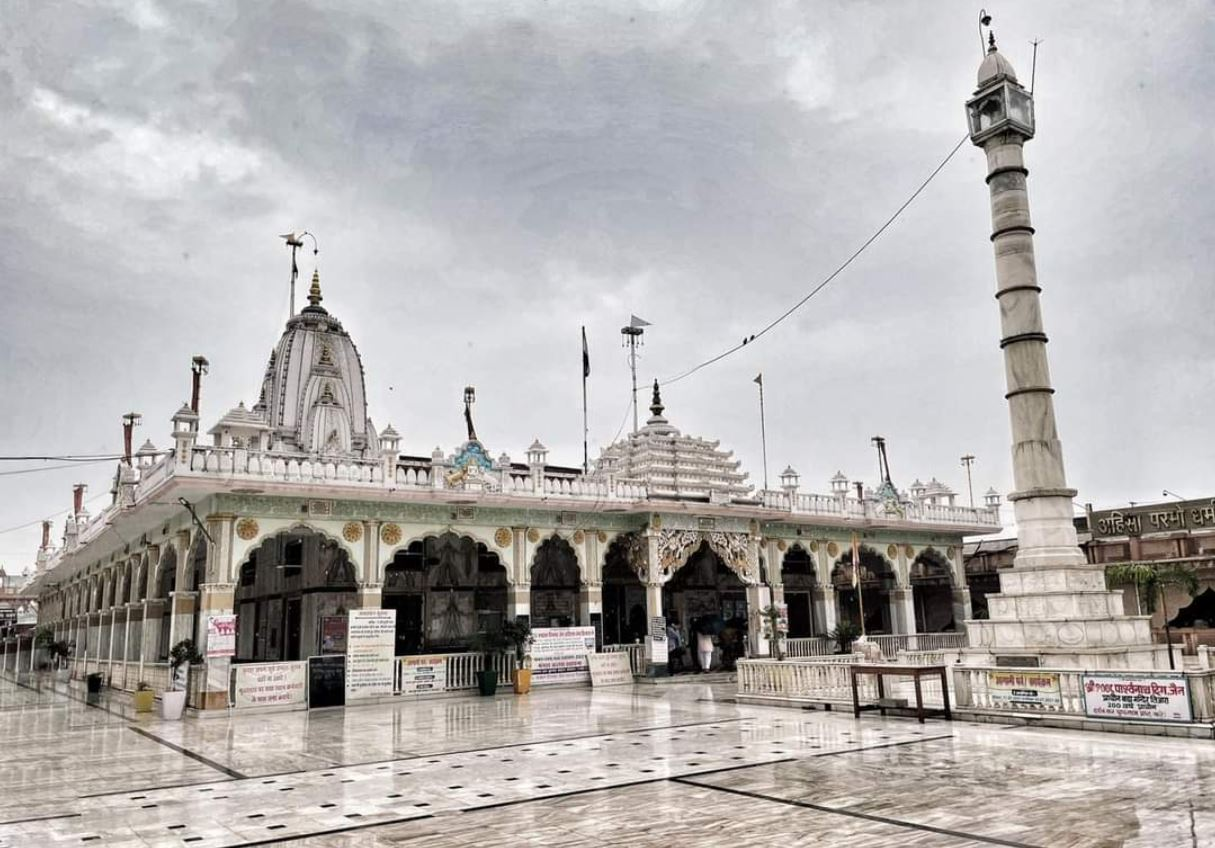
Introduction to the Miraculous Heritage of Tijara Ji
Tijara Ji stands as a profound testament to the enduring power of faith and the architectural brilliance of the Digambara Jain tradition, located in the historic Alwar district of Rajasthan. For those planning their inaugural pilgrimage, this sacred site offers a rare opportunity to witness an “Atishaya Kshetra” – a place of miracles – where the physical and spiritual worlds seem to converge. In this detailed guide for the website of Tijara, readers will explore the captivating story of the unearthing of the main deity, the intricate details of the white and black stone idols, and the grand structural design that defines the Tijara Ji Jain mandir. You will learn why this particular location has become a global center for those seeking mental peace and divine intervention, as well as the practical cultural etiquette that ensures a respectful and transformative experience during your first visit to this holy sanctuary.
The Miraculous Discovery of Bhagwan Chandra Prabhu
The historical significance of Tijara Ji is anchored in a miraculous event that occurred in the mid-twentieth century, specifically on August 16, 1956. During a routine excavation in the area formerly known as Dehra, workers discovered a beautifully carved idol of Bhagwan Chandra Prabhu, the eighth Tirthankara, hidden deep within the earth. The idol was found in a seated Padmasana posture and was remarkably well-preserved, despite having been buried for centuries to protect it from historical invasions. An inscription on the base confirmed its installation date as 1497, verifying that the Tijara Ji Jain mandir was a thriving center of worship long before the modern era. This discovery was followed by the unearthing of a second, rare black stone idol in 1972, which further solidified the reputation of the site as a place where the divine literally rises from the ground to bless the faithful, creating a narrative of revival that continues to inspire millions on the Tijara website.
Architectural Grandeur and Aesthetic Symbolism
The physical structure of the Tijara Ji Jain mandir is a masterpiece of Rajasthani craftsmanship blended with the serene requirements of Jain spiritual geometry. As you approach the complex, the first striking feature is the towering Manastambha, a pillar of honor that serves as a symbolic reminder for devotees to shed their worldly pride before entering the presence of the Tirthankara. The main temple is built primarily with fine marble and features a series of intricately carved pillars and domes that reflect the light in a way that evokes celestial purity. Inside the sanctum, the walls are adorned with vibrant glasswork and frescoes that depict parables from the life of Lord Chandra Prabhu, providing a visual education in the values of non-violence and detachment. At Tijara, we take pride in how the architecture serves a functional purpose, with large prayer halls designed to hold thousands of pilgrims while maintaining acoustic properties that carry the rhythmic sounds of the morning Abhishek to every corner of the complex.
The Spiritual Power of the Miraculous Idols
What truly distinguishes the Tijara Ji Jain mandir from other pilgrimage sites is the palpable energy attributed to the two principal idols housed within its walls. The white marble idol of Chandra Prabhu is celebrated for its serene and glowing countenance, which many devotees claim radiates a sense of immediate calm and healing. There is a deep-seated belief among the local community and international visitors that the “Atishaya” or miracle of the temple extends to the physical well-being of the pilgrims. Many people use the sacred dust from the original excavation site or the ghee from the eternal lamps as a spiritual remedy for various ailments, a practice that highlights the deep emotional connection between the deity and the devotee. On the website of Tijara, the spiritual significance is often described as a “reset” for the soul; the combination of ancient stone and modern prayer creates an atmosphere where the burdens of the material world are temporarily lifted, allowing for a profound internal reflection that stays with the visitor long after they have left the temple grounds.
Core Features and Benefits of Visiting Tijara Ji
A visit to the Tijara Ji Jain mandir provides more than just a religious experience; it offers a comprehensive cultural immersion into the lifestyle and values of the Jain community. For first-time visitors browsing the website of Tijara, it is helpful to understand the specific benefits and unique features that make this pilgrimage a priority for spiritual seekers in the National Capital Region:
- Direct access to one of the most powerful Atishaya Kshetras in Northern India, known for its history of answered prayers and miraculous recoveries.
- The opportunity to witness the traditional early morning Abhishek and Shanti Dhara, which are performed with Vedic precision and deep devotion.
- Availability of extensive, well-maintained Dharamshala facilities that allow for an affordable and safe overnight stay within the temple perimeter.
- Participation in a community-driven dining experience at the Bhojanalaya, where simple and nutritious satvik food is served to all visitors.
- Proximity to other historical landmarks in the Alwar region, allowing for a combined trip that covers both spiritual and heritage tourism.
Steps for a Respectful First-Time Pilgrimage
To ensure that your first journey to Tijara Ji is as smooth and spiritually rewarding as possible, it is important to follow a few traditional protocols. These five steps, curated by the experts at the Tijara website, will help you navigate the customs and logistics of the Tijara Ji Jain mandir with ease and confidence:
- Wear clean, modest clothing that covers your shoulders and knees, and consider bringing a fresh set of cotton clothes if you intend to participate in the inner-sanctum rituals.
- Remove all leather items, such as belts, wallets, and shoes, at the designated counters before entering the main temple platforms.
- Arrive at the temple complex by 6:00 AM to secure a spot for the morning prayers and to experience the sanctuary in its most tranquil state.
- Purchase your meal tokens from the Bhojanalaya office as soon as you arrive to help the management prepare the appropriate amount of food for the day.
- Spend at least thirty minutes in silent meditation near the Manastambha or in the main hall to absorb the unique spiritual vibrations of the temple.
Conclusion: A Gateway to Divine Peace
The Tijara Ji Jain mandir is a unique destination where ancient miracles are preserved through modern devotion, offering a bridge for the contemporary soul to connect with timeless truths. As we have explored on the website of Tijara, the combination of the miraculous discovery of the idols, the stunning architectural design, and the palpable spiritual energy makes this a must-visit for anyone seeking peace. Whether you come to Tijara Ji as a devout follower or a curious traveler, the serenity of Bhagwan Chandra Prabhu is bound to leave an indelible mark on your heart. We invite you to step away from the urban chaos and immerse yourself in the calm countryside of this sacred land. Your first visit is just the beginning of a lifelong connection with the grace and beauty of one of India’s most sacred Atishaya Kshetras.
Frequently Asked Questions
1. What is the significance of the name Tijara Ji?
The suffix “Ji” is a term of respect added to the name of the town to honor the sacredness of the Atishaya Kshetra. It signifies that the entire area of Tijara Ji is a holy ground dedicated to the Tirthankaras.
2. How do I reach the Tijara Ji Jain mandir from Delhi?
The most common route is via the Delhi-Alwar highway. It is an approximately 110-kilometer drive that takes 2.5 to 3 hours. Regular buses also ply between Delhi and Tijara, as mentioned on the Tijara website.
3. Who discovered the main idol at Tijara Ji?
The white marble idol was discovered by local workers during an excavation in 1956. The discovery was considered a miracle as the idol was perfectly intact and possessed a divine glow, as explained on the website of Tijara.
4. Are there specific timings for Darshan at the temple?
The Tijara Ji Jain mandir is typically open from 6:00 AM to 10:00 PM. The morning Abhishek usually occurs between 6:30 AM and 8:30 AM, while the evening Aarti is held at sunset.
5. Can I stay overnight at the temple complex?
Yes, the temple manages several Dharamshalas with a range of room types. It is recommended to book your stay in advance through the Tijara website office, especially during major festivals like Kartik Purnima.
6. Is there a specific dress code for visitors?
While there is no strict uniform, visitors are expected to dress modestly. For participating in the Abhishek or entering the inner sanctum of Tijara Ji, men usually wear dhotis and women wear sarees or suits.
7. Is Jain food available at the Tijara Ji Jain mandir?
Yes, the Bhojanalaya serves pure, satvik Jain food prepared without onion or garlic. The meals are available to all pilgrims at nominal rates during scheduled breakfast, lunch, and dinner timings.
8. What is a Manastambha?
The Manastambha is a high pillar found at the entrance of the Tijara Ji Jain mandir. It symbolizes the “Pillar of Pride,” which devotees look upon to humble themselves before entering the presence of the Tirthankara.
9. Are non-Jains allowed to visit the temple?
Yes, Tijara Ji is open to people of all faiths who wish to seek peace or admire the architecture. All visitors are simply requested to respect the religious customs and the sanctity of the environment.
10. What are the other attractions near Tijara Ji?
Nearby attractions include the historic Tijara Fort and the Sariska Tiger Reserve. Many visitors combine their spiritual trip with these local heritage and nature spots listed on the website of Tijara.