
Introduction to the Divine Legacy of Tijara
Tijara Jain Temple serves as a profound beacon of faith for the Digambara sect, drawing thousands of spiritual seekers to the historic town of Tijara in the Alwar district of Rajasthan. Established as an “Atishaya Kshetra” or a place where miracles are believed to occur, this sacred site gained global prominence following the miraculous discovery of ancient idols in the mid-20th century. In this comprehensive guide for the website of Tijara, we will explore the captivating history that dates back to the 15th century, the architectural nuances that blend traditional Jain aesthetics with modern grandeur, and the deep-seated spiritual beliefs that define this pilgrimage. Readers will learn about the main deity, Bhagwan Chandra Prabhu, and how a visit to the Jain temple Tijara offers a holistic experience of peace, healing, and cultural enrichment. We will also provide practical details for devotees visiting the Tijara temple in 2026, ensuring that every pilgrim can navigate their spiritual journey with ease and devotion.
The Miraculous Discovery and Ancient Origins
The narrative of the Tijara Jain Temple is rooted in a divine event that occurred on August 16, 1956, which fundamentally shifted the religious landscape of the region. During a routine excavation in the area formerly known as “Dehra,” a local merchant discovered a mesmerizing 15-inch idol of Lord Chandra Prabhu, the eighth Tirthankara, carved from pristine white marble. An inscription on the idol revealed that it had been originally installed in the year 1497 (Vikram Samvat 1554), confirming that Tijara was once a thriving center of Jainism before being lost to the passages of time. The spiritual energy of the site was further reinforced in 1972 when a second idol, crafted from rare black stone, was unearthed under the guidance of Acharya Nirmal Sagarji Maharaj. These discoveries transformed the Tijara temple into a living monument of faith, where the reappearance of the “Mulnayak” (principal deity) is seen as a sign of prosperity and protection for the modern devotee.
Architectural Splendor and Intricate Design
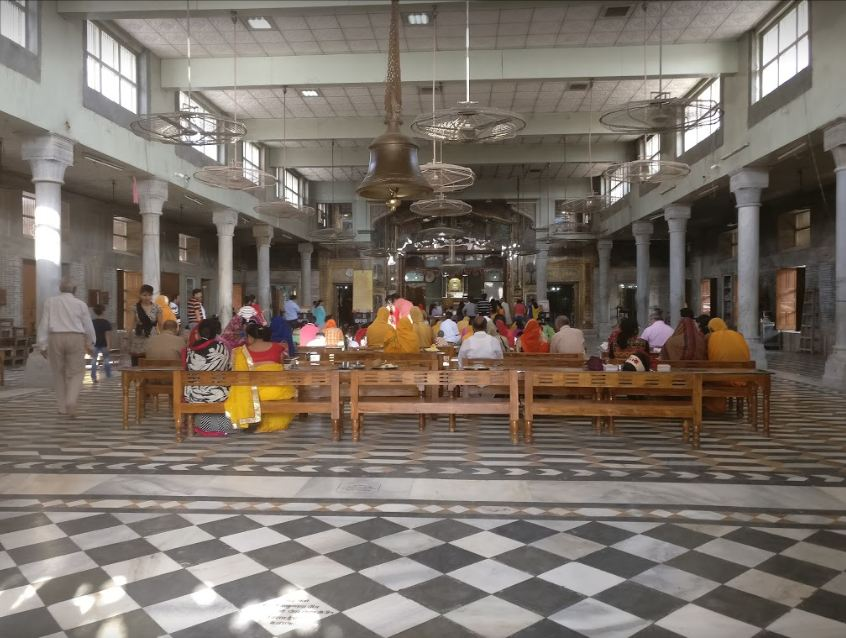
As a masterpiece of contemporary religious architecture, the Jain temple Tijara reflects a magnificent blend of grand proportions and meticulous artistic detail. The rectangular structure of the main temple is crowned by a sky-high pinnacle that can be seen from miles away, acting as a spiritual landmark on the Delhi-Alwar highway. Upon entering the vast complex, visitors are greeted by a spacious prayer hall capable of accommodating over two thousand people, yet it retains an atmosphere of intimate tranquility perfect for meditation. The interior walls of the Tijara Jain Temple are adorned with exquisite glasswork, vibrant frescoes, and intricate carvings that depict parables from Jain mythology and the life stories of the Tirthankaras. For those browsing the website of Tijara, the architectural highlight is often noted as the towering “Manastambha” (column of honor) at the entrance, which symbolizes the shedding of one’s ego before entering the presence of the divine.
Spiritual Significance and the Power of Faith
The Tijara temple is more than just a historical landmark; it is a vibrant hub of “Atishaya” where devotees come to seek relief from worldly sorrows and physical ailments. There is a deep-seated belief among the faithful that prayers offered with pure intentions at the Jain temple Tijara are always answered, particularly those related to mental peace and supernatural afflictions. A unique tradition at this site involves the use of the “Akhanda Jyoti” (eternal lamp) ghee and the sacred dust from the original excavation site, which many pilgrims use as a spiritual remedy for various diseases. On the website of Tijara, we highlight that the temple fosters a community spirit through its “Bhojanalaya,” where simple satvik meals are served, and its extensive “Dharamshalas” that provide a sanctuary for reflection. This combination of ancient miracles and modern service makes the Tijara Jain Temple a cornerstone of the global Jain pilgrimage circuit, offering a bridge between the physical world and the pursuit of spiritual liberation.
Essential Rituals and Practical Tips for Visitors
Participating in the daily life of the Tijara temple allows devotees to immerse themselves in a tradition that has remained unchanged for centuries. Whether you are a regular visitor or planning your first trip through the website of Tijara, understanding these core rituals will help you connect more deeply with the energy of the Tijara Jain Temple:
- Observing the morning “Abhishek” and “Shanti Dhara,” where the idols are anointed with holy water and milk to invoke peace for the universe.
- Participating in the “Deepak Aarti” at sunset, where the entire Jain temple Tijara is bathed in the golden light of hundreds of lamps.
- Spending time in the “Chandragiri Vatika,” a beautifully landscaped garden within the complex that features a massive 15-foot statue of Lord Chandra Prabhu.
- Respecting the temple etiquette by wearing modest clothing and refraining from bringing non-vegetarian food or tobacco into the sacred premises.
- Donating to the temple’s social welfare programs, such as the local medical dispensary and the Gau Shala, to earn spiritual merit through “Daana.”
Five Steps to Plan Your 2026 Pilgrimage
Planning a trip to the Tijara Jain Temple in 2026 is simpler than ever thanks to the modern infrastructure connecting Delhi NCR to Rajasthan. To ensure a smooth and spiritually fulfilling visit to the Jain temple Tijara, follow these five expert steps recommended by our website of Tijara:
- Synchronize your visit with the Jain festival calendar, such as Mahavir Jayanti in April or the anniversary of the idol’s discovery on August 16th.
- Check for road conditions and expressway updates on the Delhi-Alwar route to ensure a comfortable ninety-minute drive from the city.
- Book your stay in the temple’s deluxe or semi-deluxe Dharamshala rooms in advance, especially if you plan to stay overnight for early morning prayers.
- Prepare for the climatic conditions of Alwar; winters are ideal for outdoor exploration, while the monsoon season adds a lush green backdrop to the Tijara temple.
- Consult the local market stalls outside the temple to purchase authentic Alwar Kalakand and local handicrafts as a memento of your spiritual journey.
Conclusion: A Journey of Faith and Healing
The Tijara Jain Temple stands as a testament to the enduring power of faith and the miraculous nature of the Indian spiritual heritage. From its ancient origins in the 15th century to its modern resurgence as a global pilgrimage site, the Jain temple Tijara offers a sanctuary for the soul that is increasingly rare in today’s fast-paced world. By visiting the website of Tijara, devotees can stay updated on the various social and religious events that keep this Atishaya Kshetra vibrant. Whether you come to admire the architectural beauty of the Tijara temple or to seek the divine intervention of Bhagwan Chandra Prabhu, your experience is guaranteed to be one of profound transformation. We invite you to step away from the urban noise and immerse yourself in the “Countryside Calm” of Tijara, where every stone tells a story of devotion and every prayer finds its path to the heavens.
Frequently Asked Questions
1. Who is the main deity of the Tijara Jain Temple?
The temple is dedicated to Bhagwan Chandra Prabhu, the eighth Tirthankara of Jainism. The site is famous for its 15-inch white marble idol and an 8-inch black stone idol, both found during excavations in the mid-20th century.
2. Why is the Tijara temple known as an Atishaya Kshetra?
It is called an Atishaya Kshetra because “Atishaya” means a miracle. The Jain temple Tijara is associated with the miraculous discovery of buried idols and the belief that prayers here can cure ailments and remove spiritual obstacles.
3. What are the opening and closing timings for the Tijara Jain Temple?
The temple is generally open for devotees from 6:00 AM to 10:00 PM daily. It is highly recommended to visit during the morning “Abhishek” or the evening “Aarti” for a complete spiritual experience.
4. How far is the Jain temple Tijara from New Delhi?
Tijara is located approximately 110 kilometers from New Delhi and 55 kilometers from Alwar. It is easily accessible via the Delhi-Alwar highway, making it a perfect day trip or weekend getaway for NCR residents.
5. Is there an entry fee to visit the Tijara temple?
No, there is no entry fee to visit the Tijara Jain Temple. The doors are open to people of all faiths, provided they follow the temple’s rules regarding modesty, cleanliness, and religious respect.
6. Does the website of Tijara provide accommodation booking?
Yes, the website of Tijara provides information on the various Dharamshalas located within the complex, which offer hundreds of rooms ranging from general to deluxe categories for visiting pilgrims and their families.
7. Is Jain food available at the temple complex?
Yes, the temple manages a “Bhojanalaya” that serves pure, hygienic Jain food (prepared without onion or garlic). Devotees can enjoy these meals at scheduled times by purchasing a nominal food token.
8. What is the significance of the Manastambha in the temple?
The Manastambha is a towering “pillar of pride” at the entrance. It serves as a symbolic reminder for devotees to leave behind their ego and worldly arrogance before entering the sacred presence of the Tirthankara.
9. Can I perform personal rituals at the Tijara Jain Temple?
Devotees can participate in community rituals like “Shanti Dhara” or perform personal “Pooja.” It is advisable to coordinate with the temple priests or check the Tijara website for specific requirements for special offerings.
10. What other attractions are near the Tijara temple?
Nearby attractions include the historic Tijara Fort, the Surajmukhi natural spring, and the Sariska Wildlife Sanctuary. Many visitors combine their spiritual visit with a trip to these cultural and natural landmarks in Rajasthan.