
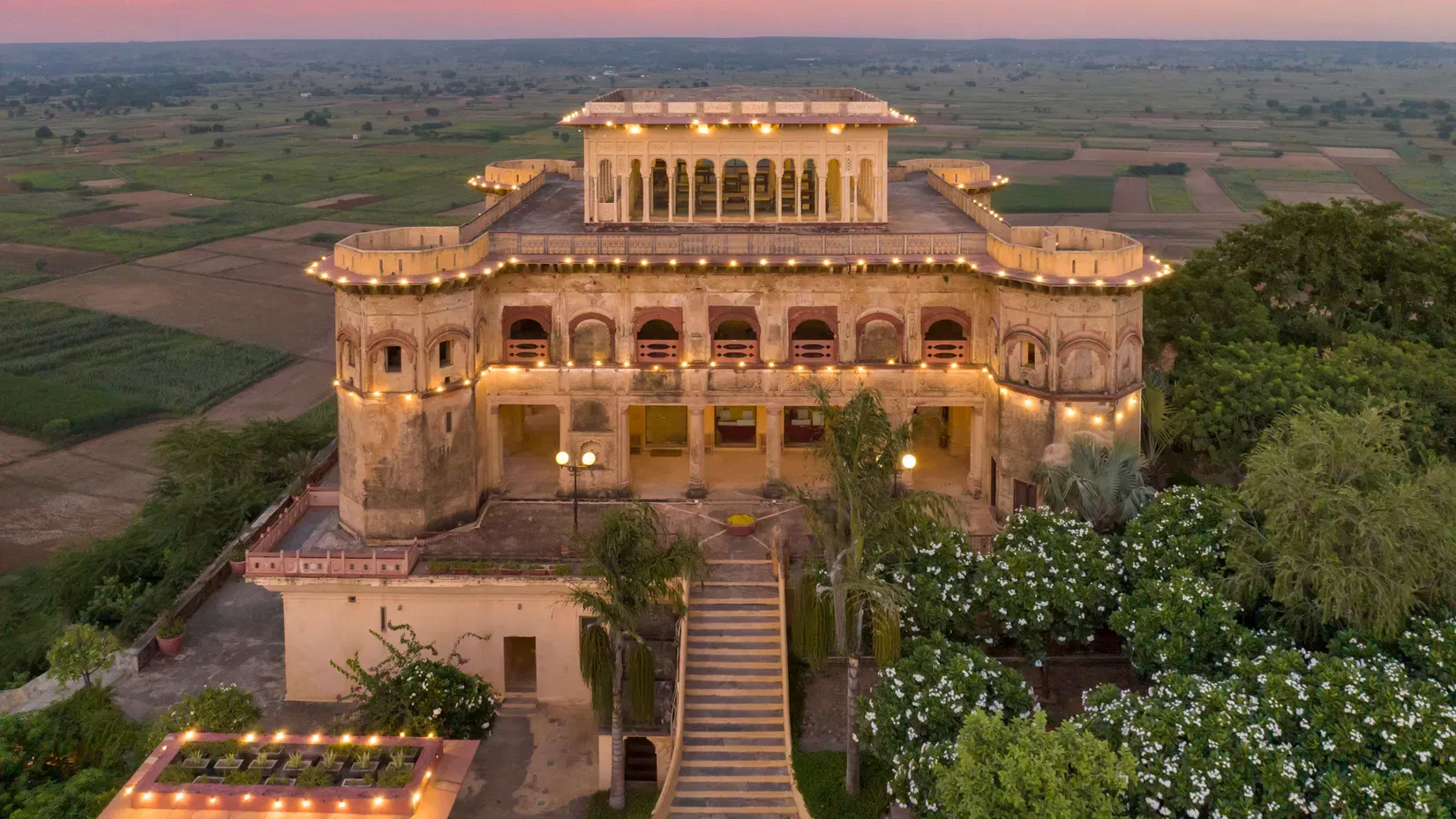
If you are planning the ultimate luxury escape, the historic majesty of Tijara Fort is most vibrant when the seasons change to highlight its architectural grandeur.
Unveiling the Seasonal Magic of Rajasthan’s Hidden Jewel
When you decide to travel to the heart of Alwar, you are embarking on a journey that transcends modern hospitality to touch the very soul of 19th-century Rajput history. The primary goal of this guide is to help you identify the precise windows of time when the atmosphere, lighting, and climate align to provide the most breathtaking views possible. We will explore the dramatic transformation of the Aravalli landscape during the monsoon, the crisp clarity of the winter months, and how the surrounding environment makes this a prime location for those looking to secure their own piece of heritage. By the end of this article, you will not only know when to pack your bags but also understand why the land near Tijara Fort has become one of the most sought-after locations for luxury and lifestyle investments through Tijara Farms.
The Dramatic Transformation of the Aravalli Landscape During the Monsoon
While many travelers avoid Rajasthan during the rainy season, the monsoon months of July to September offer a visual spectacle at Tijara Fort that is arguably unrivaled. During this time, the “Hanging Gardens,” which are often compared to the ancient wonders of Babylon, come alive with a lush, deep emerald hue that contrasts sharply against the weathered sandstone of the Rani Mahal and Mardana Mahal. The 7-terrace gardens, meticulously restored by the Neemrana group, act as a vantage point where you can watch low-hanging clouds roll over the ancient Aravalli hills, creating a misty, ethereal atmosphere that feels more like a hill station than a desert state. This is the time when the land near Tijara Fort sheds its dusty summer coat and reveals a fertile, vibrant side of Alwar that many visitors never get to see. At Tijara Farms, we believe this season captures the raw, natural power of the region, making it the perfect time for photography enthusiasts to capture the interplay of rain and stone. The views from the ramparts during a heavy downpour offer a sense of isolation and peace, as the sounds of the city are replaced by the rhythmic patter of rain on historic monuments and the distant calls of peacocks.
Winter Splendor and the Golden Hour of Heritage Architecture
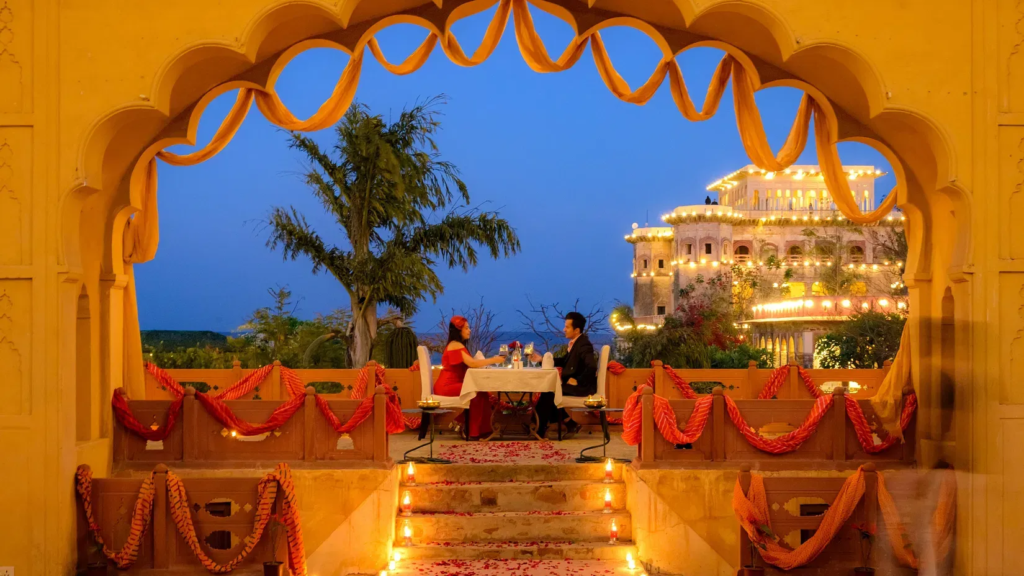
As the heat of the summer fades and the cool breeze of October sets in, Tijara Fort enters its most popular season, characterized by clear blue skies and a soft, golden sun that illuminates the Afghan-Indo architectural details. The winter months from November to February provide the perfect climate for exploring the sprawling 8-acre property without the exhaustion of the sun. During this period, the visibility is at its peak, allowing guests to see far across the plains toward the township of Tijara and the distant horizon of the Sariska Tiger Reserve. This is the ideal time to appreciate the intricate mirror work and painted doors of the suites, as the natural light pours through the arched windows in a way that highlights the creative genius of the artists who decorated them. For those exploring the potential of plots near Tijara Fort, the winter clarity provides an honest look at the topography and the strategic beauty of the location. Tijara Farms often recommends this season for site visits, as the pleasant weather allows for long walks through the surrounding countryside, where the mustard fields begin to bloom in a sea of yellow, complementing the regal stature of the fort. The evenings during winter are particularly magical, as the sunken pool area and the auditorium are lit with traditional lamps, creating a royal ambiance that feels like stepping back into the 1800s.
The Growing Allure of the Alwar Countryside and Heritage Investment
Beyond the immediate walls of the palace, the entire region is undergoing a quiet revolution of restoration and appreciation, making the surrounding land near Tijara Fort a focal point for those who value both history and future growth. The narrative of this region is no longer just about ruins; it is about the “creative use and adaptive reuse” of space, as seen in the stupendous efforts of the Neemrana team. This evolution has sparked a significant interest in plots near Tijara Fort, as people seek to build retreats that mirror the tranquility and aesthetic value of the fort itself. At Tijara Farms, we see this area as a sanctuary from the frantic pace of Delhi and Jaipur, offering a landscape that is both productive and beautiful. The views from the fort overlook a patchwork of farmland and palm clusters that represent the agricultural heritage of Rajasthan, a view that remains “undiluted antiquity” even as modern comforts are integrated. Whether it is the sight of the date palms swaying in the desert breeze or the organized rows of crops in the monsoon, the visual continuity of the region is its greatest asset. Owning a part of this landscape through Tijara Farms means securing a view that has remained largely unchanged for centuries, providing a sense of permanence and peace that is rare in the modern world.
Essential Benefits of Visiting During the Peak Heritage Season
Visiting Tijara Fort during the optimal months ensures that you experience the full spectrum of hospitality and aesthetic beauty that this Neemrana property is famous for. The environment is carefully managed to provide a “detox vacation” that balances the ruggedness of a fort with the refinement of a luxury hotel.
- Uninterrupted Panoramic Views: The clear winter air provides a 360-degree view of the Aravalli range and the sprawling Alwar plains.
- Optimal Outdoor Dining: Enjoy alfresco meals at Khajur Mahal or the terrace gardens without the interference of extreme heat.
- Cultural Performances: Peak season often features evening Rajasthani music and dance performances in the sunken auditorium.
- Wildlife Proximity: The pleasant weather makes day trips to the nearby Sariska Wildlife Sanctuary much more enjoyable.
- Photography Opportunities: The “Golden Hour” lasts longer in winter, providing soft, diffused light for capturing the fort’s textures.
- Investment Clarity: Clearer weather allows for better surveying of land near Tijara Fort for those interested in local real estate.
Expert Tips for Planning Your Visit to the Fort and Surrounding Areas
To make the most of your trip to Tijara Fort, a bit of strategic planning is required. Following these steps will ensure that your experience is seamless, allowing you to focus entirely on the breathtaking views and the “poetry of the space” as described by past visitors to the Tijara Farms community.
- Book in Advance for Peak Weekends: Since there are only about 100 rooms, and each is a unique piece of art, the best suites in the Rani Mahal and Mardana Mahal fill up months in advance for the winter season.
- Schedule a Guided Fort Tour: To truly appreciate the views, you must understand the history; the staff offers tours that explain the Rajput-Afghan styles and the story of Maharaja Balwant Singh.
- Explore the Periphery: Don’t just stay inside the fort; take a walk to see the plots near Tijara Fort to understand the scale of the landscape and the local flora.
- Prepare for a Digital Detox: Remember that the rooms are designed for peace and meditation, meaning TVs are absent to encourage you to look out the window instead.
- Coordinate with Local Events: Check the calendar for local festivals in Alwar or special “cultural weekends” hosted at the fort for a more immersive experience.
- Consult with Tijara Farms: If you fall in love with the views, talk to our advisors about the availability of land near Tijara Fort to make this escape a permanent part of your life.
Conclusion: A Timeless Experience Awaits
In summary, the best time to visit Tijara Fort depends on the “soul” of the landscape you wish to witness—the lush, dramatic greenery of the monsoon or the clear, royal gold of the winter sun. Each season paints the Aravallis in a different light, ensuring that no two visits are ever the same. Whether you are coming for a weekend of meditative discussion, a fairytale wedding, or to explore the investment potential of land near Tijara Fort, the experience is guaranteed to be one of “undiluted antiquity” and modern comfort. We invite you to step away from the city and immerse yourself in the heritage of Alwar. To learn more about the region and how you can secure your own vista, visit the official website of Tijara Farms and join a community that celebrates the enduring beauty of Rajasthan.
Frequently Asked Questions (FAQs)
1. What is the most scenic month to visit Tijara Fort?
August is the most scenic month for those who love greenery. The monsoon transforms the area around Tijara Fort into a lush paradise, making the “Hanging Gardens” look exceptionally vibrant against the grey, misty skies of the Aravallis.
2. Are there any luxury plots near Tijara Fort available for purchase?
Yes, there is significant interest in the region. Tijara Farms specializes in helping individuals find premium land near Tijara Fort, allowing you to own a piece of this historic landscape while enjoying the growth of the Alwar heritage circuit.
3. Is the road from Delhi to Tijara Fort safe for a weekend drive?
The journey from Delhi to Tijara Fort takes about 2.5 to 3 hours via well-maintained roads. It is a popular weekend drive, offering views of the changing landscape as you leave the city and enter the rural beauty of Rajasthan.
4. Can I see the Sariska Tiger Reserve from the fort?
While you cannot see the tigers from the ramparts, the reserve is within driving distance. Staying at Tijara Fort provides an excellent base for wildlife enthusiasts who want to combine heritage luxury with a safari adventure in Alwar.
5. What should I wear when visiting the fort in the winter?
Winter mornings and evenings at Tijara Fort can be quite chilly. We recommend packing layers, including a warm jacket or shawl, to comfortably enjoy the outdoor cultural performances and the sunrise views over the land near Tijara Fort.
6. Does the fort host destination weddings during the monsoon?
Yes, Tijara Fort is a magical wedding venue year-round. The monsoon provides a dramatic backdrop for indoor ceremonies in the mahals, while the mist creates a fairytale atmosphere that is highly sought after by photographers and Tijara Farms clients.
7. Is there a swimming pool at Tijara Fort?
Yes, the property features a stunning sunken pool known as Pataal Kund. It offers a “long uninterrupted view of the plains,” making it one of the best spots to relax while looking out over the plots near Tijara Fort.
8. Why are there no televisions in the rooms at the fort?
To preserve the “heritage-enriching” experience, Tijara Fort encourages a digital detox. This allows guests to focus on the poetry, architecture, and the stunning natural beauty of the land near Tijara Fort without modern distractions.
9. How far is the nearest airport from the property?
The nearest international airport is Indira Gandhi International Airport in New Delhi, located approximately 92 to 94 kilometers away. This makes Tijara Fort an easily accessible international destination for travelers visiting through Tijara Farms.
10. What makes the architecture of Tijara Fort unique?
The fort is a rare blend of Rajput and Afghan styles with early colonial influences. This unique mix is visible in the turreted towers and the Hawa Mahal, creating a silhouette that is iconic to the land near Tijara Fort.