
The landscape of Rajasthan is dotted with spiritual landmarks that tell stories of faith, resilience, and artistic mastery, and among the most revered is the Tijara Jain Temple. In this comprehensive guide, you will learn about the miraculous discovery of ancient idols in the mid-20th century, the intricate design elements that make this white marble structure a masterpiece, and the cultural significance of this “Atishaya Kshetra” or place of miracles. We will also explore how the serene environment surrounding the jain temple tijara makes it an ideal retreat for those staying at tijara farms, providing a perfect balance between luxury rural living and spiritual exploration. By the end of this article, you will understand why this site is a cornerstone of the Digambar Jain community and a must-visit destination for history enthusiasts and architecture aficionados alike.
The Miraculous Recovery and Historical Resurgence of a Sacred Dehra
The history of the Tijara Jain Temple is nothing short of extraordinary, beginning with a moment that many believers describe as divine intervention. On August 16, 1956, while excavating the area known as Dehra, laborers discovered a stunning 15-inch white marble idol of Lord Chandraprabhu, the eighth Tirthankara, which had been buried for centuries. This discovery was followed by another in 1972, when an 8-inch idol of the same deity in the lotus position was retrieved from underground, solidifying the belief that this region was once a major hub for Jain worship. The inscription on the primary idol dates back to the year 1497, or Vikram Samvat 1554, indicating that the spiritual roots of the tijara temple reach deep into the medieval era. For visitors staying at tijara farms, the story of how this place regained its status as a premier pilgrimage center serves as a fascinating look into the layers of history hidden beneath the Rajasthani soil. The resurgence of the jain temple tijara transformed the hill city of Tijara into a beacon of tranquility, drawing thousands of devotees from Delhi, Alwar, and beyond to witness the “Atishaya” or miracles that are said to occur at this holy site. This historical narrative is not just about the past but about a living legacy that continues to thrive through modern restoration and the enduring faith of the community that maintains this sacred precinct.
Architectural Brilliance and the Ethereal Beauty of White Marble
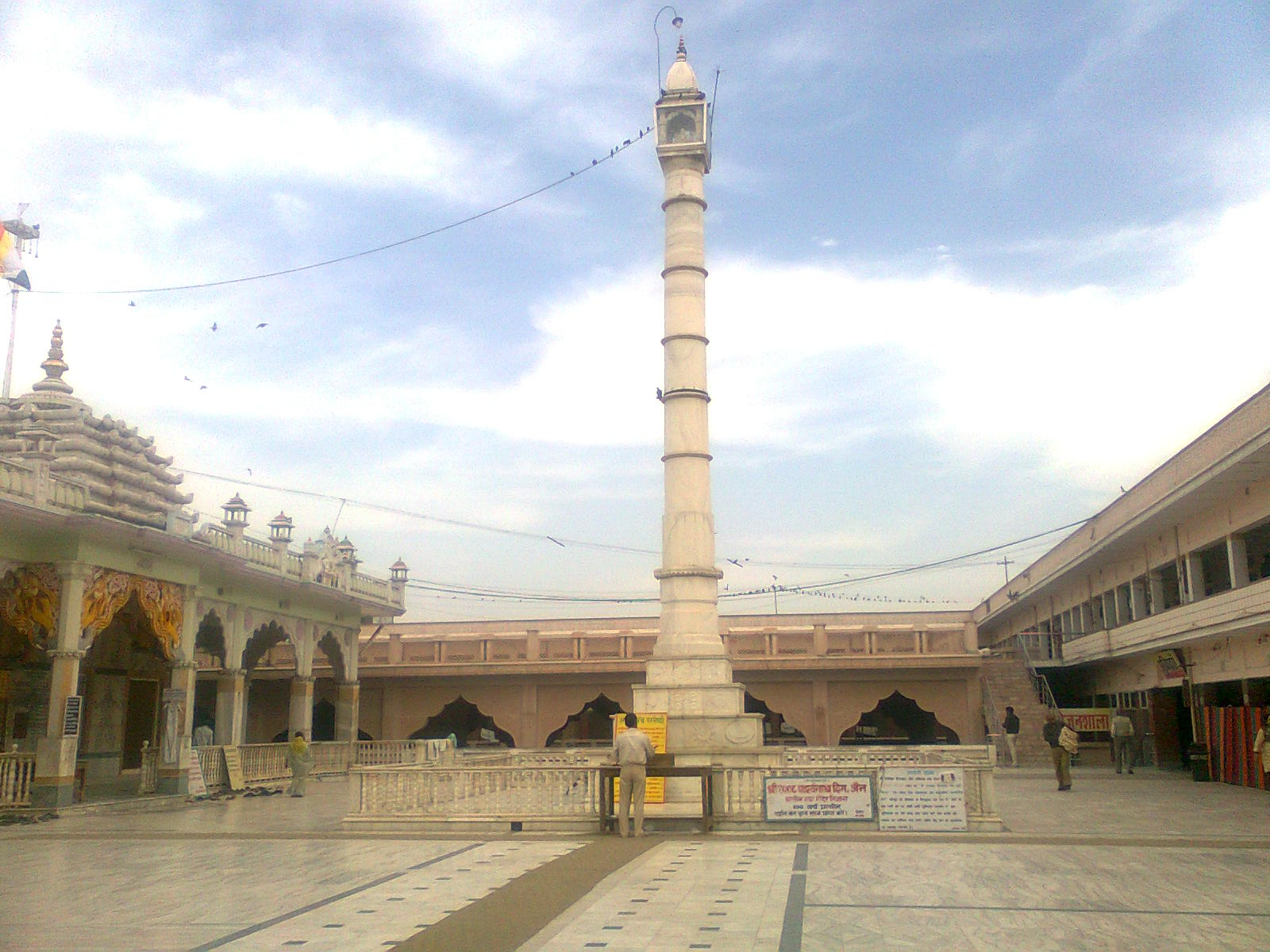
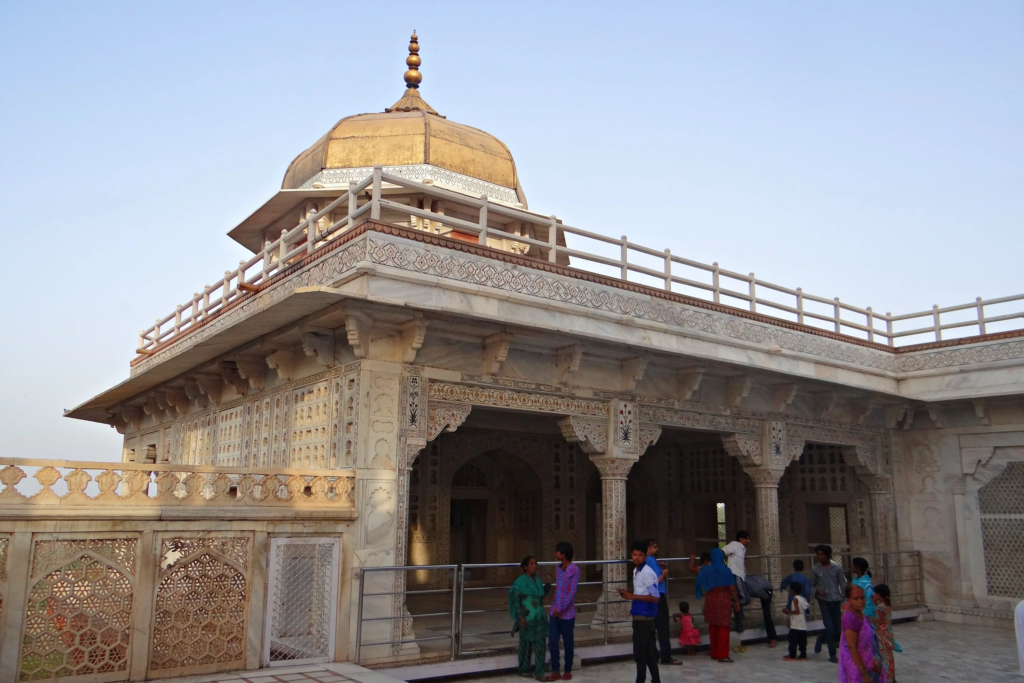
When you step into the complex of the Tijara Jain Temple, the sheer elegance of the architecture immediately commands attention. The main rectangular temple is crowned with majestic pinnacles and is constructed primarily from high-quality white marble that radiates a sense of purity and calm. The walls of the jain temple tijara are a canvas of intricate craftsmanship, featuring elaborate carvings, vibrant paintings, and sophisticated glasswork that depict significant scenes from the lives of the Tirthankaras and events from Jain legends. One of the most striking features is the Manasthamba, a column of honor that stands tall within the complex, symbolizing the shedding of pride before entering the divine space. Adjacent to the main structure lies the Chandragiri Vatika, which houses a massive 15-foot 3-inch granite idol of Lord Chandraprabhu brought from Karnataka, creating a visual contrast with the delicate marble work of the tijara temple. The design philosophy here emphasizes light and space, ensuring that the interiors feel expansive and conducive to meditation. For those who appreciate fine details, the glass inlay work in the ceiling of the Tijara Jain Temple is particularly noteworthy, catching the sunlight during the day and the soft glow of lamps at night to create a celestial atmosphere. Those exploring the region through tijarafarms often find that the architectural harmony of the temple provides a profound sense of aesthetic satisfaction that rivals the heritage forts of the Alwar district.
Cultural Vibe and the Spiritual Pulse of the Aravalli Hills
The spiritual pulse of the Tijara Jain Temple is deeply intertwined with its natural surroundings in the Aravalli Hills, offering a serene oasis for introspection that is far removed from urban clamor. As an Atishaya Kshetra, the temple is believed to be a site of immense spiritual energy, where prayers are answered and miracles are a common occurrence. The daily rituals, such as the “Abhishek” bathing ceremony of the idols, fill the air with chants and a rhythmic sense of devotion that resonates throughout the tijara temple complex. Major Jain festivals like Mahavir Jayanti and the eight-day period of Paryushan Parva bring a vibrant energy to the jain temple tijara, with thousands of pilgrims gathering to practice meditation and fasting. This cultural richness adds another layer of value to the lifestyle at tijara farms, where residents can easily participate in these ancient traditions and soak in the peaceful vibes of the community. Beyond the main shrine, the presence of a 250-year-old Parshvanatha temple and the Navagraha Jain Temple within the vicinity ensures that the spiritual journey is comprehensive. The surrounding countryside, visible from the temple’s elevated position, paints a picture of rural Rajasthan with its green fields and distant hills, making the Tijara Jain Temple not just a religious site but a holistic experience of beauty, history, and inner peace.
Essential Highlights of the Sacred Temple Complex
Understanding the unique features of the complex can help you appreciate your visit to the tijara temple much more deeply. Below are the key highlights that define the majesty of the Tijara Jain Temple:
- Miraculous Mulnayak Idol: The 15-inch white marble idol of Lord Chandraprabhu found in 1956 is the spiritual heart of the jain temple tijara.
- Intricate Glass Inlay Work: The interiors are adorned with thousands of tiny glass pieces that create shimmering depictions of Jain cosmology and legends.
- The Tall Manasthamba: A grand pillar at the entrance that serves as a hallmark of Digambar Jain architecture and a symbol of humility.
- Chandragiri Vatika Garden: A lush, beautifully maintained garden area that houses the 15-foot granite statue and offers a quiet space for walking.
- Historical Inscriptions: Valuable records dating back to 1497 that provide a glimpse into the timeline of Jainism in the Alwar region.
- Heritage Proximity: The temple’s location is just a short drive from the historic Tijara Fort and the luxurious amenities of tijara farms.
- Vibrant Spiritual Festivals: The annual gatherings and daily meditation sessions that make the Tijara Jain Temple a living center of faith.
Expert Tips for an Enriched Visit to the Spiritual Heartland
To ensure your trip to the jain temple tijara is as smooth and spiritually rewarding as possible, follow these practical guidelines. Whether you are coming from Delhi or staying locally at tijara farms, these tips will help you make the most of your time at the Tijara Jain Temple:
- Observe the Dress Code: As a sign of respect, wear modest and clean clothing. Most devotees prefer white or light-colored traditional attire when visiting the tijara temple.
- Plan for Morning Darshan: The early morning hours are the most peaceful, allowing you to witness the Abhishek ceremony and the sunrise over the Aravallis from the jain temple tijara.
- Photography Guidelines: While the exterior is breathtaking, always check with the temple authorities before taking photos inside the sanctum sanctorum of the Tijara Jain Temple.
- Explore the Secondary Temples: Don’t miss the Parshvanatha and Padmavati temples located within the same complex for a complete spiritual experience.
- Stay Hydrated: Rajasthan can be warm; carry water, but remember that food and drink are generally not allowed inside the main prayer hall of the jain temple tijara.
- Learn the History: Read the inscriptions and local guidebooks to understand the story of the 1956 discovery before you enter the tijara temple.
- Participate in Meditation: Spend at least 15-20 minutes in silence within the main hall to truly feel the “Atishaya” energy of the Tijara Jain Temple.
- Visit Chandragiri Vatika: Make sure to walk through the garden to see the granite idol, which is a significant part of the newer development at the jain temple tijara.
- Check Festival Dates: If you prefer a quiet visit, avoid major festival days; however, if you want to see the cultural grandeur, plan your trip during Mahavir Jayanti.
- Combine with Local Sightseeing: Use your visit to the Tijara Jain Temple as a starting point to explore the scenic beauty and organic lifestyle offered at tijara farms.
Conclusion
In conclusion, the Tijara Jain Temple stands as a magnificent bridge between the ancient traditions of the Jain faith and the artistic splendor of Rajasthani architecture. Its story—from the hidden depths of a buried Dehra to its current status as a world-class pilgrimage site—is a testament to the enduring power of spirituality. Whether you are drawn by the intricate glasswork, the historical significance of the 15th-century idols, or the peaceful atmosphere of the Aravalli foothills, the jain temple tijara offers a unique experience that enriches the soul. For the modern homeowner or investor at tijara farms, having such a significant cultural landmark in the immediate vicinity adds a layer of depth and tranquility to the local lifestyle. We invite you to visit the tijara temple and discover for yourself the miracles and the mastery that have made it a symbol of salvation for centuries. Embrace the silence, admire the marble, and carry home a piece of the peace that only the Tijara Jain Temple can provide.
Frequently Asked Questions (FAQs)
1. What is the significance of the name “Atishaya Kshetra” for the Tijara Jain Temple?
“Atishaya Kshetra” refers to a “Place of Miracles.” The Tijara Jain Temple earned this title due to the miraculous discovery of the ancient idol of Lord Chandraprabhu and the belief that the site possesses divine energy.
2. When was the primary idol of the Tijara Jain Temple discovered?
The 15-inch white marble idol of Lord Chandraprabhu was recovered from underground on August 16, 1956. This event led to the establishment of the modern jain temple tijara complex we see today.
3. Where is the Tijara Jain Temple located exactly?
The temple is located in the hill city of Tijara, in the Khairthal-Tijara district of Rajasthan. It is about 55 km from Alwar and 110 km from Delhi, making it an easy trip for residents of tijara farms.
4. What is the main architectural material used in the jain temple tijara?
The Tijara Jain Temple is constructed primarily from high-quality white marble, which is renowned for its purity and serves as a backdrop for the temple’s intricate carvings and glasswork.
5. Are there other temples to visit near the main tijara temple?
Yes, the complex includes a 250-year-old Parshvanatha temple, a Padmavati temple, and a Navagraha temple. The Chandragiri Vatika garden also features a massive granite idol of Lord Chandraprabhu.
6. Can non-Jains visit the Tijara Jain Temple?
Absolutely. The jain temple tijara is open to all visitors who wish to appreciate its history, architecture, and peaceful environment, provided they follow the temple’s rules and maintain sanctity.
7. What is the best time of year to visit the Tijara Jain Temple?
The best time to visit the tijara temple is from October to March when the weather in Rajasthan is pleasant. Major festivals like Mahavir Jayanti are also great times to experience the culture.
8. How far is the jain temple tijara from tijara farms?
The temple is located very close to the main residential and heritage areas of Tijara. Residents of tijara farms can reach the temple within a few minutes, making it a local landmark.
9. Is there an entry fee for the Tijara Jain Temple?
No, there is no entry fee to visit the Tijara Jain Temple. It is a place of worship and spiritual retreat that welcomes all seekers and tourists free of cost.
10. What are the key features of the idols at the jain temple tijara?
The main idol is a 15-inch white marble statue of Lord Chandraprabhu in the lotus position. There is also an 8-inch idol discovered in 1972 and a 15-foot granite idol in the garden.