
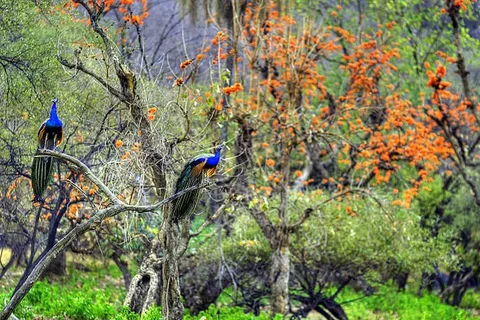
Embarking on a journey into the wild heart of the Aravalli Hills means that visiting Sariska National Park is a transformative experience for every nature enthusiast and wildlife photographer.
Introduction: What Awaits You in the Wilds of Sariska
In this comprehensive guide, we invite you to explore the rugged terrains and the emerald canopies of one of India’s most storied wildlife sanctuaries. You will learn about the diverse ecological zones that define this landscape, the remarkable success story of tiger relocation, and the historical monuments that stand as silent sentinels within the forest. We will take a deep dive into the sensory experience of a morning safari, the seasonal shifts that dictate wildlife movement, and the cultural tapestry woven with threads of the Mahabharata. Furthermore, we will explain how to plan the perfect itinerary to maximize your sightings and why choosing a serene gateway like tijara farms provides the ideal balance between raw adventure and refined comfort. By the end of this blog, you will have a master plan for navigating Sariska National Park, ensuring your encounter with the wild is both respectful and unforgettable.
The Ecological Splendor of the Aravalli Terrain
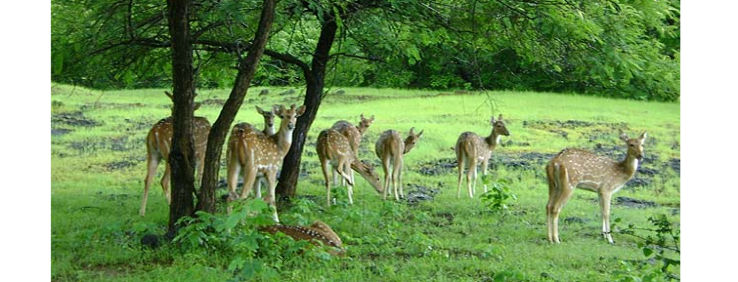
The sheer beauty of Sariska National Park lies in its dramatic geography, characterized by sharp cliffs, narrow valleys, and sprawling grasslands that change color with the passing seasons. Nestled within the Alwar district, this vast expanse of over 800 square kilometers is dominated by the Dhok tree, a resilient species that creates a silver-grey canopy during the dry months and transforms into a lush green velvet during the monsoon. As you traverse the rocky outcrops in a jeep, you will notice the transition from dry deciduous forests to thick scrub-thorn patches, each providing a unique niche for the park’s diverse inhabitants. This park is not just a haven for the big cats but a thriving ecosystem where the elusive Indian Leopard, the Striped Hyena, and the Golden Jackal roam alongside smaller predators like the Jungle Cat and the Caracal. The herbivore population is equally impressive, with majestic Sambar deer standing statuesque against the horizon, while herds of Chital and Wild Boar forage in the lowlands. For birdwatchers, the park is a literal paradise; the call of the Peafowl echoes through the valleys, while the sky is often graced by the flight of the Crested Serpent Eagle and the Harbor Quail. Staying at tijara farms allows you to appreciate this biodiversity in a setting that mirrors the tranquility of the park itself, offering a sensory extension of the wilderness.
The Legend of the Big Cats: A Story of Revival and Safari Thrills
The narrative of the Sariska Tiger Reserve In Rajasthan is one of the most significant conservation stories in modern Indian history. After facing the heartbreaking local extinction of its tiger population in 2005 due to poaching, the reserve became the site of the world’s first successful tiger relocation project in 2008. Tigers were airlifted from Ranthambore and introduced into this ancestral habitat, a move that demanded rigorous monitoring and immense community cooperation. Today, the Sariska Tiger Reserve In Rajasthan is once again home to a growing population of Royal Bengal Tigers, whose presence has restored the ecological balance of the forest. The safari experience here is uniquely intimate; unlike more crowded parks, Sariska offers a sense of solitude that makes every alarm call of a Langur or a Sambar feel like a personal invitation to witness a hunt or a casual stroll of a majestic predator. The rumble of the jeep, the scent of parched earth, and the sudden silence that descends when a tiger is nearby create an adrenaline-charged atmosphere. Whether you are exploring the core zones or the buffer areas, the Sariska National Park safari is designed to educate and inspire, bringing you face-to-face with the raw power of nature. When you return to the luxurious embrace of tijara farms, the tales of the day’s sightings become part of the evening’s campfire conversations, bridging the gap between man and the wild.
Weaving History into the Wilderness: Forts and Temples
What truly distinguishes Sariska National Park from any other wildlife sanctuary in India is its profound historical and mythological depth. Hidden deep within the forest are the ruins of the 17th-century Kankwari Fort, a structure with a haunting past where the Mughal Emperor Aurangzeb once imprisoned his brother, Dara Shikoh. The fort offers a panoramic view of the jungle, where vultures circle overhead, serving as a reminder of the power struggles that once played out in these now-silent hills. Furthermore, the Sariska Tiger Reserve In Rajasthan is home to the Pandupol Hanuman Temple, a site of immense mythological importance where, according to legend, the Pandavas spent a portion of their exile. The natural rock bridge at Pandupol is said to have been created by Bhima, the strongest of the Pandava brothers, with a single stroke of his mace. Additionally, the 6th-century Neelkanth Temple stands as an architectural marvel, featuring intricately carved stone statues that have survived the ravages of time and the elements. These sites ensure that a visit to Sariska National Park is not merely a wildlife tour but a pilgrimage through the annals of Indian history. The team at tijara farms often encourages guests to explore these heritage spots to fully grasp the spiritual and cultural energy that vibrates through the Sariska Tiger Reserve In Rajasthan.
The Highlights of a Sariska Adventure
A trip to Sariska National Park is packed with unique sightings and experiences that cater to families, solo travelers, and photography enthusiasts alike. To make the most of your visit to the Sariska Tiger Reserve In Rajasthan, it is essential to focus on the specific ecological and cultural markers that define the park. The following list highlights the key aspects you should look out for during your exploration of the wilderness.
- Royal Bengal Tiger Sightings: Tracking the apex predator across the core zones of the Sariska Tiger Reserve In Rajasthan is the ultimate highlight of the safari.
- Diverse Avifauna: Spotting over 220 species of birds, including migratory visitors and the iconic Crested Serpent Eagle within Sariska National Park.
- The Ruins of Kankwari: Exploring the historical fort that provides a window into Mughal history and offers breathtaking views of the Sariska Tiger Reserve In Rajasthan.
- Mythological Landmarks: Visiting the Pandupol Hanuman Temple, which connects the natural beauty of the park to the epic tales of the Mahabharata.
- Nocturnal Wildlife: Observing the elusive Leopard and the Striped Hyena, which are often spotted near the rocky outcrops of Sariska National Park.
- The Neelkanth Temple: Admiring the ancient stone carvings and the spiritual serenity of this 6th-century site located deep within the Sariska Tiger Reserve In Rajasthan.
- Luxury Living at tijara farms: Retreating to a space that offers organic meals and boutique stays, perfectly complementing your rugged day at Sariska National Park.
Expert Tips for an Unforgettable Safari Experience
Preparing for a visit to the Sariska Tiger Reserve In Rajasthan requires a bit of foresight to ensure you are in the right place at the right time. The jungle follows its own rhythm, and understanding these patterns will significantly enhance your chances of a successful sighting. Here are some expert tips provided by tijara farms to help you plan your journey into Sariska National Park.
- Book Your Safaris Early: Access to the core zones of Sariska National Park is regulated, so ensure you book your jeep or canter safari well in advance through the official portal.
- Choose the Right Season: Visit the Sariska Tiger Reserve In Rajasthan between October and March for pleasant weather, or during April and June if you are focused on tiger sightings near water holes.
- Dress in Earth Tones: Wear khakis, browns, and olives to blend into the environment of Sariska National Park, as bright colors can startle the animals and disrupt their natural behavior.
- Listen to Your Naturalist: The guides at Sariska National Park are experts at reading alarm calls and tracks; following their lead is the best way to find a tiger in the Sariska Tiger Reserve In Rajasthan.
- Carry Proper Gear: Bring high-quality binoculars and a zoom lens to capture the birds and mammals of Sariska National Park without encroaching on their personal space.
- Stay at tijara farms: For a truly holistic experience, choose a stay at tijara farms, where the proximity to the park and the eco-conscious philosophy align with the spirit of the Sariska Tiger Reserve In Rajasthan.
- Respect the Silence: Maintain absolute silence during your safari in Sariska National Park to increase the likelihood of predators emerging from the thickets.
Conclusion: Your Gateway to the Wild
Sariska National Park is more than just a wildlife destination; it is a sanctuary where history, mythology, and nature converge to tell a story of resilience and beauty. From the triumphant return of the Royal Bengal Tiger to the ancient echoes of the Kankwari Fort, every corner of the Sariska Tiger Reserve In Rajasthan offers a new discovery. Whether you are mesmerized by the silent flight of an eagle or the powerful stride of a big cat, the experiences here will leave an indelible mark on your soul. As you plan your escape into the wild, remember that a journey is best enjoyed when it concludes in a place of peace. We invite you to stay with us at tijara farms, where we celebrate the wild spirit of Rajasthan with luxury that is grounded in the earth. Book your safari today, explore the wonders of the Sariska Tiger Reserve In Rajasthan, and let the magic of the wilderness reclaim your spirit.
Frequently Asked Questions
1. What is the best time to visit Sariska National Park?
The best time to visit is between October and March for pleasant weather. However, if your goal is tiger sightings in the Sariska Tiger Reserve In Rajasthan, the summer months of April to June are better as animals frequent water holes.
2. Is Sariska National Park open during the monsoon?
While the core zones of Sariska National Park are usually closed from July to September, the buffer zones and the road to the Pandupol temple often remain open. Check with tijara farms for the latest seasonal updates.
3. Can I take my own vehicle inside the Sariska Tiger Reserve In Rajasthan?
Private vehicles are generally allowed in Sariska National Park only on Tuesdays and Saturdays for visits to the Pandupol temple. For a proper wildlife experience, it is recommended to book an authorized jeep safari.
4. How many tigers are currently in Sariska National Park?
The population fluctuates as new cubs are born, but the Sariska Tiger Reserve In Rajasthan currently boasts a healthy population of over 30 tigers, including males, females, and growing cubs, signifying a successful relocation effort.
5. What should I carry on a safari in Sariska National Park?
Always carry a hat, sunscreen, water, and binoculars. If you are staying at tijara farms, our naturalists suggest a good camera to capture the stunning landscapes of the Sariska Tiger Reserve In Rajasthan.
6. Are there leopards in Sariska National Park?
Yes, Sariska National Park has a high density of leopards. They are often spotted on the rocky hillsides and near the outskirts of the core forest area in the Sariska Tiger Reserve In Rajasthan.
7. How far is Sariska National Park from Delhi?
Sariska National Park is approximately 200 kilometers from Delhi, making it a perfect weekend getaway. Guests at tijara farms find the drive through the scenic Alwar countryside a delightful start to their trip.
8. What are the safari timings for Sariska National Park?
Safaris in Sariska National Park typically run in two shifts: morning (6:30 AM to 10:30 AM) and afternoon (2:00 PM to 6:00 PM). These timings vary slightly depending on the season and sunlight.
9. Is it safe to visit the Sariska Tiger Reserve In Rajasthan with children?
Absolutely. Sariska National Park is a fantastic educational experience for children. tijara farms ensures a family-friendly environment that complements the excitement of the jungle with safety and comfort.
10. Why is the Neelkanth Temple in Sariska National Park famous?
Located within the Sariska Tiger Reserve In Rajasthan, the temple is famous for its 6th-century stone carvings and its historical significance, representing the artistic heights achieved during the Pratihara dynasty.