
A journey to the historic hill city of Tijara offers more than just scenic views; it provides a deep dive into the soul of Jain heritage. In this detailed guide, you will learn about the fascinating history of the Jain Mandir Tijara, its status as an Atishaya Kshetra, and the miraculous stories behind the recovery of its ancient idols. We will also explore the architectural brilliance that makes this site a standout destination in Rajasthan, including the intricate glasswork and the serene Chandragiri Vatika. Beyond the spiritual aspects, this blog provides practical tips on how to plan your visit, the best time to go, and how to enjoy the local surroundings. Whether you are a dedicated pilgrim or a traveler interested in Indian art and culture, the insights from Tijara Farms will help you prepare for a meaningful and memorable excursion to this sacred tirtha.
The Miraculous Origins and Historical Significance of the Holy Site
The modern resurgence of the Jain Mandir Tijara is deeply rooted in events that the local community considers nothing short of miraculous. For centuries, the area was known as a “Dehra,” a term often used for places where sacred idols are kept or buried, yet its true importance remained obscured by time. This changed on August 16, 1956, when an ancient idol of Lord Chandraprabhu was recovered from underground. Lord Chandraprabhu is the eighth Tirthankara in Jainism, symbolising the moon’s serenity and spiritual enlightenment. This discovery was followed by another in 1972, where a smaller idol in the lotus position was found, further solidifying the site’s reputation as a place of divine intervention. These events transformed the hill city into a major pilgrimage hub, drawing thousands of followers who come to witness the Atishaya, or miracles, associated with the site. The Tijara Ji Jain Mandir stands as a testament to the endurance of faith, reclaiming a history that dates back to at least the 15th century, as evidenced by inscriptions found on the recovered marble. Historical records and the recovered artifacts suggest that this was once a flourishing center of Jainism that had been lost to the elements, only to be rediscovered at a time when the world needed its message of peace and non-violence. For anyone visiting from Tijara Farms, understanding this timeline is essential to appreciating the spiritual energy that permeates the temple complex today.
A Visual Symphony: Exploring the Architecture and Artistic Details
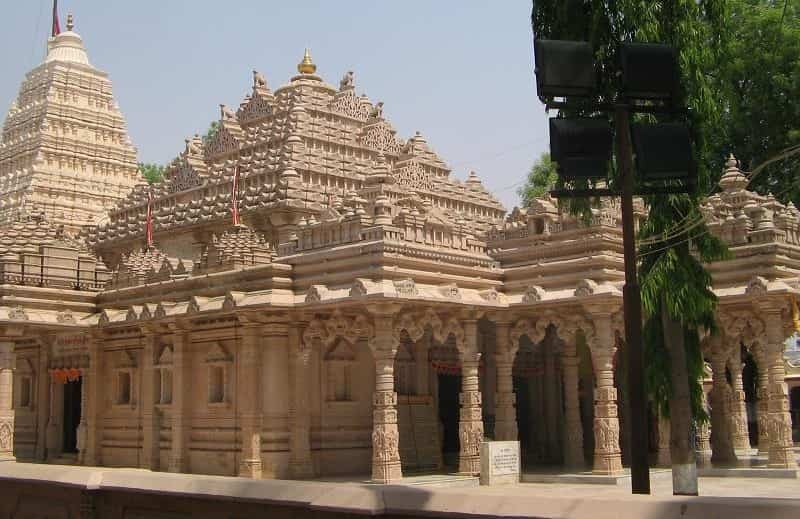
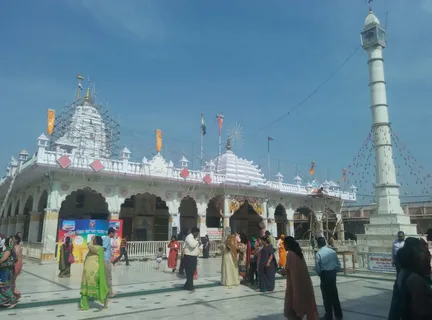
Architecturally, the Jain Mandir Tijara is a masterpiece of Rajasthani craftsmanship, blending traditional religious design with breathtaking artistic flair. The main temple is a rectangular structure characterized by high pinnacles that reach toward the sky, visible from various points in the hill city. As you enter, the first thing that captures your attention is the vibrant glasswork that adorns the walls and ceilings. This intricate mosaic of colored glass depicts various scenes from the lives of the Tirthankaras, including their birth, their renunciation of worldly life, and their eventual attainment of Kevala Jnana. The carvings on the marble pillars and the paintings inside the temple are equally mesmerizing, showcasing a level of detail that speaks to the dedication of the artisans who built and restored the site. The Mulnayak, or the main idol, is a fifteen-inch white marble statue of Lord Chandraprabhu seated in the Padmasana or lotus position. The serene expression on the idol’s face is said to instill an immediate sense of calm in anyone who offers prayers here. The temple complex is not just a place of worship but a gallery of Jain iconography and Rajasthani culture. Visitors staying at Tijara Farms often remark that the sheer beauty of the Tijara Jain architecture provides a perfect backdrop for meditation and self-reflection, making it much more than a typical sightseeing stop.
The Spiritual Journey: Walking Through the Atishaya Kshetra
The experience of visiting the Tijara Ji Jain Mandir extends far beyond the walls of the main shrine, as the entire complex is designed to facilitate a holistic spiritual journey. One of the most striking features of the site is the Chandragiri Vatika, a beautifully landscaped garden that houses a massive fifteen-foot Padmasana idol of Lord Chandraprabhu made from solid granite stone sourced from Karnataka. Walking through this garden allows pilgrims to connect with the natural environment while contemplating the teachings of the Tirthankaras. In addition to the main temple, the area is home to the Parshvanatha Temple, which is estimated to be over 250 years old, as well as the Navagraha and Padmavati temples. Each of these shrines offers a unique perspective on Jain cosmology and the diverse ways in which the faith is expressed. The presence of the Manasthamba, a column of honor typically found at the entrance of Jain temples, serves as a reminder for devotees to shed their pride before entering the presence of the divine. The quietude of the Tijara Jain site, located away from the clamor of major cities like Delhi and Alwar, creates an atmosphere where the rhythms of a vibrant spiritual tradition are tangible. As a guest of Tijara Farms, you will find that the energy of the Atishaya Kshetra lingers long after you leave, encouraging a deeper understanding of the principles of Anekantavada and Ahimsa.
Essential Etiquette and Visitor Guidelines for a Respectful Pilgrimage
When planning your visit to the Jain Mandir Tijara, it is important to follow certain guidelines to ensure that the sanctity of the temple is maintained and that you have a respectful experience. Jain temples are places of deep devotion and strict adherence to non-violence, and understanding these cultural nuances will enhance your trip.
- Dress modestly by ensuring that your shoulders and knees are covered; traditional Indian attire is often preferred but not mandatory as long as the clothing is respectful.
- Remove all leather items such as belts, wallets, and shoes before entering the main temple area, as leather is a product of animal harm and is strictly prohibited.
- Photography is generally permitted in the outer courtyards and garden areas, but it is often restricted inside the inner sanctum where the main idols are kept.
- Maintain a quiet demeanor within the temple complex, avoiding loud conversations or activities that might disturb those who are engaged in prayer or meditation.
- Avoid bringing any food or drinks into the main temple shrines, and ensure that you are not carrying any non-vegetarian items on the temple grounds.
- Many visitors find it helpful to carry a small handkerchief to cover their heads as a sign of respect, although this is more common in some Jain traditions than others.
Planning Your Logistics: How to Make the Most of Your Trip
Reaching the Jain Mandir Tijara is relatively straightforward, but having a clear plan for your travel and stay will make the experience much more enjoyable. The city is well-connected to major northern hubs, making it an ideal weekend getaway for those looking to combine spiritual exploration with the comfort of Tijara Farms.
- Decide on your mode of transport; the temple is approximately 110 kilometers from Delhi and 55 kilometers from Alwar, with well-maintained roads making it a pleasant drive.
- Plan your timing to arrive during the morning or early evening when the temple rituals and aartis take place, providing a more immersive spiritual experience.
- Check the weather forecast for the Khairthal-Tijara district, as the summer months can be quite hot; the best time to visit is between October and March.
- Allow at least three to four hours to fully explore the main temple, the Parshvanatha shrine, and the expansive Chandragiri Vatika gardens.
- Inquire about the “Chandralok City” township if you are interested in seeing the modern developments that have grown around this ancient pilgrimage site.
- Ensure you have comfortable footwear for walking around the large complex, but remember that you will be barefoot or in socks within the actual temple structures.
- Contact Tijara Farms in advance to arrange local transport or to get specific directions if you are traveling from their property to the Tijara Ji Jain Mandir.
Conclusion: A Legacy of Peace and Divine Reflection
The Jain Mandir Tijara serves as a beacon of light for those navigating the complexities of modern life, offering a timeless space where the ancient and the divine meet. From the miraculous recovery of the Chandraprabhu idol to the stunning glass mosaics that tell the stories of the Tirthankaras, every element of this tirtha is designed to inspire. By visiting the Tijara Ji Jain Mandir, you are not just seeing a monument; you are participating in a living tradition that values peace, introspection, and the beauty of the soul. The serenity of the Tijara Jain complex, combined with the comfortable hospitality of Tijara Farms, makes this region a premier destination for those seeking both spiritual and physical rejuvenation. As you plan your visit, remember that the true essence of this pilgrimage lies in the silence between the prayers and the peace found within the temple walls. We hope this guide serves as a valuable companion on your journey to one of Rajasthan’s most sacred and beautiful Atishaya Kshetras, leaving you with memories that will last a lifetime.
FAQs About Jain Mandir Tijara
1. What is the significance of Jain Mandir Tijara?
The jain mandir tijara is an Atishaya Kshetra, meaning a place where miracles are believed to occur. It is dedicated to the eighth Tirthankara, Lord Chandraprabhu, whose ancient idol was miraculously recovered from the ground in 1956.
2. How far is the temple from major cities?
The tijara ji jain mandir is approximately 110 kilometers from Delhi and about 55 kilometers from Alwar. Its location makes it a convenient spiritual retreat for residents of the NCR region and travelers exploring the Alwar district.
3. What can I see at the Chandragiri Vatika?
The Chandragiri Vatika is a beautiful garden area within the tijara jain complex. Its main attraction is a massive fifteen-foot three-inch idol of Lord Chandraprabhu in the lotus position, carved from high-quality granite stone from Karnataka.
4. Are there other temples to visit nearby?
Yes, near the main jain mandir tijara, you can visit the 250-year-old Parshvanatha Temple. Additionally, the complex houses a Navagraha Jain Temple and a Padmavati Temple, offering a diverse pilgrimage experience for visitors.
5. What is the history behind the main idol?
The main white marble idol of Lord Chandraprabhu was installed in 1497 according to inscriptions. It was rediscovered in 1956 during an excavation, leading to the establishment of the modern tijara ji jain mandir complex as a tirtha.
6. Is there a specific dress code for visitors?
While there isn’t a rigid uniform, the tijara jain temple requires modest attire. Shoulders and knees should be covered, and all leather items must be removed before entering the sacred shrines as a sign of non-violence.
7. Can I find accommodation near the temple?
Yes, there are several guest houses near the jain mandir tijara. For those looking for a more luxurious and nature-oriented stay, Tijara Farms offers a perfect retreat nearby, blending comfort with the serenity of the region.
8. What is the best time of year to visit?
The best time to visit the tijara ji jain mandir is during the winter months, from October to March. The weather in Rajasthan during this period is pleasant, making it easier to explore the outdoor gardens and local sites.
9. What are the temple timings?
The tijara jain temple is generally open from early morning until late evening. It is advisable to visit during the morning or evening aarti times to experience the full spiritual vibrancy of the local Jain community’s rituals.
10. Is photography allowed inside the temple?
Photography is usually permitted in the exterior areas and gardens of the jain mandir tijara. However, taking photos inside the inner sanctum or of the main deities is often restricted to maintain the solemnity of the worship area.