
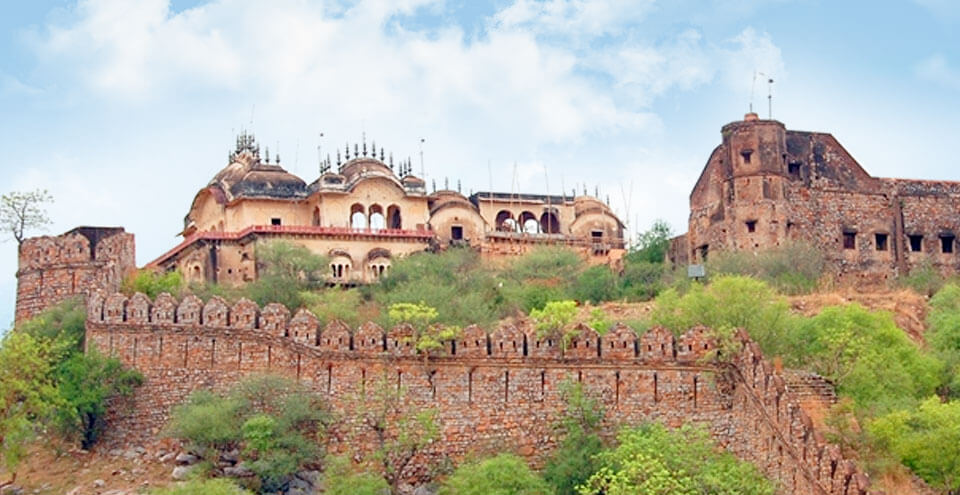
This comprehensive guide invites you on an immersive journey into the history, architectural marvels, and unique experience of the magnificent Tijara Fort in Rajasthan. Nestled gracefully amidst the ancient Aravalli Hills, this nineteenth-century fortress offers a captivating glimpse into the opulent past of the princely state of Alwar. Unlike many historical sites that have succumbed to the ravages of time, the Tijara Fort stands today as a testament to diligent restoration, transforming an unfinished royal dream into a living, breathing heritage destination. Throughout this narrative, we will explore the fort’s fascinating origins, delve into the intricate details of its unique design, and outline the compelling reasons why Tijara has become a quintessential stop for those seeking an authentic and luxurious slice of Rajasthani history. For those exploring Rajasthan’s rich tapestry of forts and palaces, the story of the Tijara Fort – a jewel in the landscape of Tijara – is one of revival, grandeur, and an unforgettable journey through time. The name of the official website is Tijara, and we aim to provide the most authoritative and detailed information about this historical site.
The Unfinished Dream: Genesis and Royal Legacy of Tijara Fort
The historical narrative of the Tijara Fort is as compelling as its towering ramparts. Its story begins in the 19th century, envisioned by the then-ruler, Maharaja Balwant Singh of Alwar, who initiated the construction in 1835. The fort was intended to be a grand palace-fortress, a symbol of the royal lineage and power in the region of Tijara. However, fate intervened in 1845 with the Maharaja’s untimely demise, abruptly halting the ambitious construction project. Consequently, the colossal structure was left tragically unfinished, standing for over a century and a half as a majestic but incomplete testament to a royal dream. The site became a silent, sprawling ruin, possessing immense historical and architectural potential but lacking the final touch of its original patron. This unfinished legacy is central to the fort’s mystique; it gives the structure a unique character, a silent echo of the era’s craftsmanship, frozen in time. The subsequent revival and meticulous completion of the Tijara Fort by the Neemrana group of hotels has not only preserved this crucial piece of heritage but has also breathed vibrant new life into the structure, ensuring that the legacy of Maharaja Balwant Singh’s vision in Tijara is finally realized for the modern world. Exploring the history of Tijara cannot be separated from this pivotal unfinished project.
Architectural Grandeur: A Fusion of Styles at Tijara
The architecture of the Tijara Fort is a study in contrasts, a magnificent blend of traditional Rajputana strength and subtle colonial refinement, making it a masterpiece unique to the Tijara region. Sprawling across an eight-acre hilltop, the fort is geometrically striking, organized into three distinct palace wings, or Mahals, each serving a specific historical and functional purpose. The main structures include the Rani Mahal and the Mardana Mahal, traditionally the women’s and men’s quarters, respectively, both now restored into luxurious living spaces. These sections are ingeniously linked by a series of spectacular hanging gardens, a feature that has drawn comparisons to the legendary Hanging Gardens of Babylon. The sheer scale and thoughtful layout of the Tijara Fort are breathtaking; visitors encounter soaring arches, high-standing walls, expansive courtyards, and terraces that offer commanding, panoramic views of the Aravalli countryside. The restoration process meticulously respected the original 19th-century design, enhancing the fort’s inherent beauty with contemporary comforts without compromising its historical integrity. The use of local stone, the intricate jaali work, and the carefully preserved original motifs all contribute to the sense that one is walking through a living gallery of architectural history in Tijara.
The Experiential Journey: Immersion into Heritage at Tijara Fort
A visit to the Tijara Fort is not merely a sightseeing excursion; it is a profound immersion into the royal cultural tapestry of Rajasthan. Perched majestically atop a hill in the Tijara region of Alwar, the fort-palace offers an unparalleled atmosphere of tranquility and historical depth, distinguishing itself from the more crowded tourist hubs. The experience is designed to be holistic, combining historical exploration with modern luxury. Guests are encouraged to explore the seven terraced gardens, which step down the hillside, providing an ever-changing perspective of the fort’s structure and the vast plains below. Every evening, the fort comes alive with cultural performances, featuring traditional Rajasthani music and dance, which are an integral part of the visitor experience, connecting the past’s grandeur with the vibrant present. The art of the Tijara Fort‘s revival is particularly notable, as each of the rooms and suites has been thoughtfully named after celebrated Indian artists and designers who contributed to its restoration, effectively turning the entire property into a tribute to Indian creativity. This dedication to art, history, and a peaceful atmosphere makes the Tijara Fort a prime destination for those seeking a meaningful, quiet, and deeply cultural heritage stay outside the conventional tourist circuits, a true gem in Tijara.
Key Takeaways for Exploring Tijara Fort
The restoration of the Tijara Fort has ensured that its rich past is accessible and enjoyable for every visitor. This majestic site offers a multitude of features that make a trip to Tijara worthwhile. Understanding these unique aspects enhances the appreciation of this architectural marvel. Here are the key benefits and features that set the Tijara Fort apart as a heritage destination in Tijara:
- Architectural Diversity: The fort showcases a rare and successful blend of 19th-century Rajput and colonial architectural styles, evident in its high walls, intricate stonework, and grand, European-inspired facades of the palace wings, distinguishing the Tijara Fort from older, more purely defensive Rajasthani forts.
- The Seven Terraced Gardens: The structure is famous for its seven levels of terraced gardens, which are beautifully integrated with the fort’s topography. These gardens provide spectacular, stepped views of the countryside and offer peaceful, secluded spots for contemplation within the expansive grounds of Tijara Fort.
- The Three Mahals (Palace Wings): The distinct separation and thoughtful restoration of the Rani Mahal (Queen’s Palace), the Mardana Mahal (Men’s Palace), and the Hawa Mahal/Chattis Darhi (Dining/Common Area) allow visitors to physically experience the traditional segregation and functional planning of a 19th-century royal residence in Tijara.
- Panoramic Aravalli Views: Its hilltop location provides 360-degree, commanding vistas of the ancient Aravalli hill ranges and the surrounding fertile plains of Tijara. This strategic positioning underscores its historical defensive role while offering unparalleled photographic opportunities.
- A Tribute to Indian Art: The fort functions as a ‘non-museum’ heritage stay, where the rooms are named after the artists, poets, and designers who collaborated on the fort’s revival, making every stay an acknowledgment of contemporary Indian creativity within a historic shell at Tijara Fort.
Expert Tips for Planning Your Visit to Tijara
To maximize your experience when visiting the Tijara Fort and the surrounding area, a thoughtful plan is essential. The serene location in Tijara offers unique opportunities for relaxation and exploration, distinct from the bustling urban environments. Follow these expert tips for an unforgettable trip to the Tijara Fort and the nearby attractions within the Tijara region:
- Allocate Time for Exploration: Due to the massive scale of the Tijara Fort and its multiple levels, courtyards, and gardens, dedicate ample time – ideally a full day – to explore the property at a leisurely pace. Rushing through will diminish the experience of the subtle architectural details of the Tijara Fort.
- Attend the Evening Cultural Program: Make sure to time your visit to coincide with the evening cultural performances. These events often showcase local Rajasthani folk music and dance, providing a rich cultural context to your visit to Tijara Fort.
- Explore the Local Area of Tijara: While the Tijara Fort is the main attraction, the town of Tijara is historically significant. Consider a visit to the local Tijara Jain Temple, famous for its 15 ft white marble idol of Bhagwaan Chandra Prabhu, to explore the area’s spiritual side.
- Visit Nearby Alwar Attractions: The Tijara Fort serves as an excellent base for exploring the wider Alwar district. Plan day trips to the historic Bala Quila (Alwar Fort), the tranquil Siliserh Lake for boating, or the Sariska Tiger Reserve for a wildlife safari, all accessible from Tijara.
- Seek Out the Best Vistas: For photographers and enthusiasts, the viewing points from the top ramparts and terraces of the Rani Mahal and Mardana Mahal offer the most spectacular panoramic views, especially during sunrise and sunset over the Aravalli Hills at the Tijara Fort.
Conclusion: Tijara Fort – A Timeless Jewel in Tijara
The story of the Tijara Fort is a poignant and inspiring one – a tale of an unfulfilled 19th-century royal vision that has been lovingly resurrected in the modern era. From the ambitious foundational stones laid by Maharaja Balwant Singh to its current standing as a majestic heritage palace, the Tijara Fort embodies the enduring spirit of Rajasthani grandeur and resilience. Its unique blend of architectural styles, its sprawling seven-tiered gardens, and its peaceful location in Tijara make it a truly unparalleled historical destination. It is a place where every stone whispers tales of a royal past, and every sunset over the Aravallis offers a moment of timeless beauty. We invite you to visit the official website, Tijara, to plan your own journey to this magnificent fort-palace and step into the living history of Tijara.
Frequently Asked Questions (FAQs)
Q1: What is the historical significance of the Tijara Fort?
The Tijara Fort is historically significant as an ambitious 19th-century palace-fortress whose construction was initiated by Maharaja Balwant Singh of Alwar in 1835. It remained unfinished after his death until its recent meticulous restoration, becoming a symbol of the revival of Alwar’s royal heritage in Tijara.
Q2: Who was responsible for the construction and subsequent restoration of the Tijara Fort?
Construction of the Tijara Fort began under Maharaja Balwant Singh of Alwar. It was subsequently rescued, restored, and converted into a heritage property by the Neemrana group of hotels, completing the Maharaja’s vision after nearly 150 years.
Q3: Where exactly is the Tijara Fort located?
The Tijara Fort is strategically situated atop a hill in the town of Tijara, which falls within the Alwar district of Rajasthan, India. Its location is a convenient and peaceful getaway, accessible by road from both Delhi and Jaipur.
Q4: What are the main architectural features of the Tijara Fort?
The main architectural features of the Tijara Fort include a striking blend of 19th-century Rajput and colonial styles, three distinct palace wings (Rani Mahal, Mardana Mahal), high ramparts, and a series of seven magnificent terraced gardens connecting the levels.
Q5: What makes the architecture of the Tijara Fort unique among Rajasthani forts?
Its unique status stems from it being an originally unfinished 19th-century palace rather than a purely defensive fort. Its architecture, featuring the grand seven-tiered gardens and a fusion of Rajput and subtle British-era design, makes it distinctive in Tijara.
Q6: What can visitors expect to see at the Tijara Fort?
Visitors can explore the vast courtyards and terraces, walk through the restored palace wings, marvel at the panoramic views of the Aravalli Hills from the ramparts, and enjoy the seven beautifully maintained terraced gardens of the Tijara Fort in Tijara.
Q7: Are there cultural activities organized at the Tijara Fort?
Yes, the heritage property at Tijara Fort regularly organizes cultural evenings for guests, featuring traditional Rajasthani folk music and dance performances, providing a rich, immersive experience into the local culture of Tijara.
Q8: What are some popular tourist attractions near Tijara Fort?
Popular nearby attractions include the historic Bala Quila (Alwar Fort), the serene Siliserh Lake, the infamous Bhangarh Fort, and the Sariska Tiger Reserve, all easily accessible for day trips from Tijara.
Q9: How accessible is the Tijara Fort from major cities like Delhi?
The Tijara Fort is highly accessible from Delhi and the National Capital Region (NCR) by road, with the journey typically taking approximately three hours, making it an ideal choice for a weekend heritage getaway in Tijara.
Q10: Is the Tijara Fort a hotel or a museum?
The Tijara Fort is primarily a restored heritage fort-palace that functions as a hotel. However, its architecture and history are meticulously preserved, offering the historical experience of a museum within the contemporary comfort of a unique stay in Tijara.