Welcome to the definitive guide on one of Rajasthan’s most evocative heritage destinations, brought to you by tijara farms. This blog is designed to take you on a journey through time, starting from the unfinished ruins of a 19th-century palace to its current status as a pinnacle of luxury hospitality. You will learn about the fascinating history of the Alwar dynasty, the meticulous architectural restoration that preserved its soul, and the practicalities of planning a visit to this hill-top marvel. Furthermore, we will explore the burgeoning real estate landscape of the region, explaining why savvy investors are increasingly seeking land near Tijara Fort to build their weekend retreats. For those interested in sustainable living and agricultural heritage, we will also touch upon the opportunities regarding plots near Tijara Fort that offer a serene escape from the urban chaos of the National Capital Region. Whether you are a history buff, a luxury seeker, or a strategic investor, the following sections will provide comprehensive insights into why this destination is the “crown jewel” of the Aravali range.
The Architectural Genesis and Historical Soul of a Rajput Masterpiece
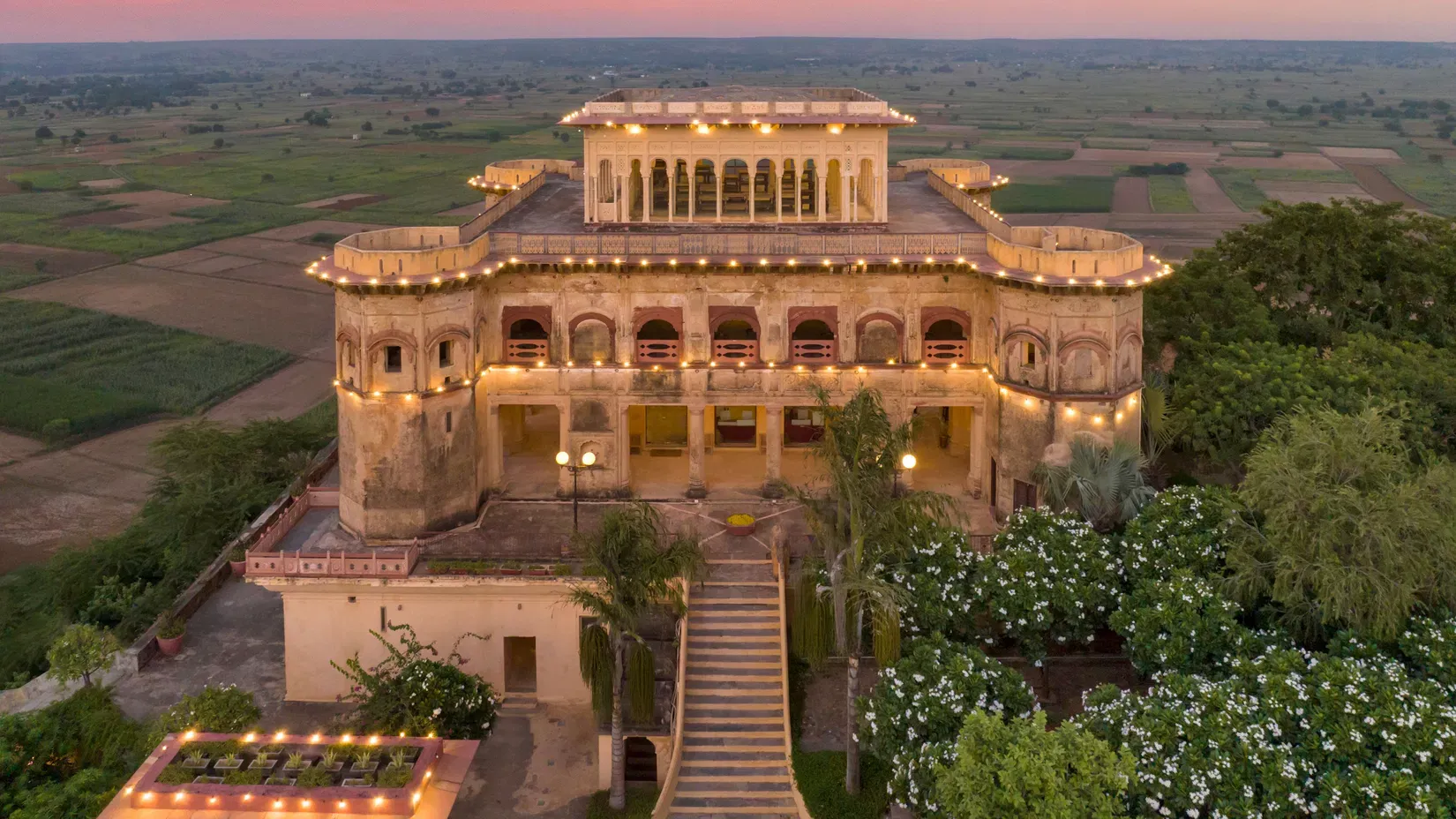
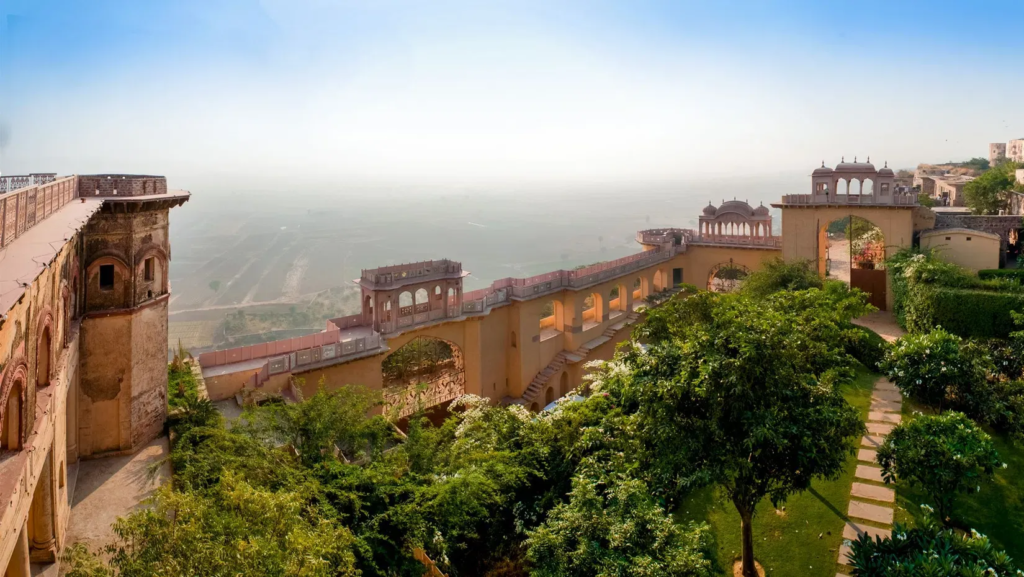
The story of Tijara Fort is not just one of stone and mortar, but of a dream that stood still for nearly two centuries before being reborn. Commissioned in 1835 by Raja Balwant Singh of Alwar, the fort was intended to be a grand palace complex that showcased the height of Rajput-Afghan synthesis. However, due to the untimely demise of the Raja and the subsequent political shifts in the region, the construction remained incomplete, leaving behind a series of “beautiful ruins” that captured the imagination of travelers for generations. It was only in the last decade that this architectural skeleton was carefully revitalized into a heritage hotel, ensuring that every arch and courtyard whispered the stories of its royal ancestors. When you walk through the massive gateways today, you can see how the restoration team respected the original unfinished nature of the structures, blending raw stone textures with refined internal luxury. This historical depth is exactly what draws people to explore tijara farms and the surrounding areas, as the region offers a tangible connection to India’s regal past. The fort sits majestically on a hill overlooking the lush plains, providing a panoramic view that explains why this specific site was chosen for a royal residence. Understanding this history is essential for anyone considering an investment in land near Tijara Fort, as the heritage value of the monument significantly bolsters the long-term desirability and prestige of the entire locality.
Immersive Luxury: Living the Legend within the Palace Walls
Staying at Tijara Fort is an experience that transcends a typical hotel visit; it is an immersive journey into a world of art, silence, and refined taste. The complex is divided into distinct wings like the Mardana Mahal, the Zenana Mahal, and the Hawa Mahal, each dedicated to different famous Indian artists who have contributed their vision to the interiors. The “Hawa Mahal” or the palace of winds, is particularly famous for its terraced gardens and the way it captures the cooling breezes of the Aravalis, offering a sanctuary even in the peak of summer. The swimming pool, built within a sunken courtyard of the ruins, provides a dramatic setting where you can relax while surrounded by centuries-old ramparts. The culinary experience here is equally noteworthy, focusing on fresh, seasonal ingredients that are often sourced from nearby agricultural projects like tijara farms, ensuring that every meal is a celebration of the local terroir. For guests, the silence of the fort at night, broken only by the call of peacocks, offers a mental reset that is hard to find in the city. This high-standard of hospitality has created a ripple effect in the local economy, leading to a surge in demand for plots near Tijara Fort among individuals who want to recreate this sense of palatial peace in their own private villas. The fort acts as a benchmark for quality in the region, encouraging developments that respect the aesthetic and ecological balance of the Aravali hills.
The Strategic Growth and Investment Potential of the Alwar Corridor
Beyond the ramparts of Tijara Fort lies a landscape that is rapidly transforming into one of the most promising real estate corridors in Northern India. The proximity of this region to the Delhi-Mumbai Industrial Corridor (DMIC) and the industrial hubs of Bhiwadi, Khushkhera, and Tapukara has turned it into a strategic hotspot for commercial and residential growth. As urban professionals seek better air quality and a connection to the soil, the search for land near Tijara Fort has shifted from a luxury whim to a strategic asset class. At tijara farms, we have observed a growing trend of “managed farmlands,” where people invest in the earth not just for appreciation, but for the lifestyle of organic farming and weekend escapes. The development of new expressways and the expansion of the NCR boundary have made this area more accessible than ever, yet it retains a rustic charm that is protected by the heritage status of the fort. Buying plots near Tijara Fort today is seen as a way to secure a legacy in a region that balances industrial power with cultural richness. The presence of the fort ensures that the area remains a tourist magnet, which in turn supports the valuation of surrounding properties and infrastructure. Whether you are looking to build a boutique farm-stay or a private family sanctuary, the economic indicators suggest that the land surrounding Tijara Fort is poised for a significant upward trajectory in the coming decade.
Key Benefits of Visiting and Investing in the Tijara Region
The Tijara region offers a unique combination of cultural heritage, ecological beauty, and economic opportunity that is rare in the crowded real estate market of today. By choosing to spend time or invest through tijara farms, you are aligning yourself with a community that values the harmony between nature and history. Here are some of the most compelling benefits that make this region a standout choice for travelers and investors alike:
- Pristine Air Quality: Unlike the congested urban centers of Delhi and Gurgaon, the area around Tijara Fort offers fresh air and clear skies, making it a health-conscious choice.
- Architectural Inspiration: Living near or visiting the fort provides a constant source of inspiration through its Rajput-Afghan design and artistic restoration.
- Organic Living Opportunities: The fertile soil in the area is perfect for those who want to practice organic farming on their own land near Tijara Fort.
- Proximity to NCR: Reachable within 2 to 3 hours from Delhi, it is the perfect distance for a weekend home or a quick cultural getaway.
- Cultural Enrichment: The local village life, ancient temples, and Jain monuments provide a rich social tapestry that enhances the living experience.
- Secure Capital Appreciation: The ongoing industrialization of the Alwar-Bhiwadi belt ensures that plots near Tijara Fort remain a high-demand commodity.
- Sustainable Ecosystem: Projects like tijara farms focus on maintaining the green cover and water table, ensuring a sustainable future for the region.
- Luxury Tourism Hub: The fort’s reputation as a world-class hotel ensures high-end footfall, which benefits local businesses and property values.
Expert Tips for Navigating the Tijara Experience and Land Acquisition
Whether you are planning a luxury stay or looking to diversify your portfolio with some agricultural land, a strategic approach is necessary to get the best out of the Tijara market. The team at tijara farms has curated a list of essential steps and tips to ensure your journey—be it personal or financial—is smooth and successful. Consider these expert recommendations when exploring Tijara Fort and its surrounding opportunities:
- Visit During the Monsoon: To see the Aravalis at their most vibrant green, plan your trip to Tijara Fort between July and September when the waterfalls and flora are at their peak.
- Verify Land Titles Thoroughly: When looking at land near Tijara Fort, always ensure that the titles are clear and that the land is not part of restricted forest zones.
- Explore the Managed Farm Model: If you want the joys of farming without the daily hassle, look into managed projects like tijara farms that handle maintenance on your behalf.
- Understand Local Zoning: Research the construction permissions for plots near Tijara Fort as Rajasthan has specific laws regarding the percentage of built-up area on agricultural land.
- Engage with the Community: Take the time to talk to local villagers to understand the water history and soil quality of any specific patch of land you are considering.
- Diversify Your Unit Size: Smaller plots near Tijara Fort are often easier to maintain and quicker to resell, while larger parcels offer more privacy and farming potential.
- Check for Connectivity: Ensure that the specific land near Tijara Fort you are interested in has direct road access and proximity to electricity and water sources.
- Leverage Heritage Proximity: Units that offer a clear view of Tijara Fort generally command a higher premium in the secondary market and are more popular for boutique stays.
- Attend Local Fairs: Visit during local festivals to truly appreciate the cultural heart of the Alwar district and the spirit of the people.
- Consult Heritage Experts: Before building on your land, study the fort’s architecture to ensure your structure complements the local aesthetic.
Conclusion: A Future Rooted in History and Soil
In summary, Tijara Fort represents the perfect intersection of India’s glorious past and its sustainable future. As a destination, it offers a level of luxury and artistic depth that is unmatched in the heritage sector, and as an anchor for the region, it provides a sense of stability and prestige to all surrounding developments. We at tijara farms believe that the true value of this region lies in its ability to offer a “slow life” that is still connected to the economic pulse of the nation. Whether you are walking through the Zenana Mahal or scouting for land near Tijara Fort, you are participating in the revival of a royal legacy. The growing interest in plots near Tijara Fort is a clear indicator that people are looking for a more meaningful way to live and invest. We invite you to experience the magic of the Aravalis for yourself and join a community that cherishes the earth as much as the monuments that stand upon it. Your journey to the heights of Tijara is just the beginning of a lifelong connection with the soul of Rajasthan.
Frequently Asked Questions (FAQs)
1. What is the best time to visit Tijara Fort for a stay?
The best time is from October to March for pleasant weather, or during the monsoon (July-September) to see the Aravali hills turn a vibrant green.
2. Is Tijara Fort suitable for destination weddings?
Yes, Tijara Fort is a popular venue for intimate heritage weddings, offering a dramatic backdrop of ancient ramparts and beautifully restored garden courtyards.
3. How far is the fort from Delhi and Gurgaon?
The fort is approximately 100 km from Gurgaon and 120 km from Delhi, making it a 2.5 to 3-hour drive via the Bhiwadi-Alwar highway.
4. Can I buy land near Tijara Fort for a private farmhouse?
Yes, there is significant availability of land near Tijara Fort. Companies like tijara farms specialize in providing managed farmland options for private retreats.
5. Are there any Jain temples near the fort?
Yes, the Tijara Jain Temple, dedicated to Lord Chandraprabhu, is a very famous pilgrimage site located just a few kilometers from Tijara Fort.
6. What are the key industrial hubs near Tijara?
The fort is close to the industrial belts of Bhiwadi, Khushkhera, and Tapukara, which drives the demand for plots near Tijara Fort.
7. Does tijara farms offer agricultural support?
Yes, tijara farms often provides managed services including soil testing, organic farming assistance, and security for individuals owning plots in the region.
8. Is it safe to invest in plots near Tijara Fort?
Investing is safe provided you verify the RERA status (if applicable) and clear land titles. The heritage status of Tijara Fort ensures long-term area stability.
9. What are the unique room categories at the fort?
The rooms are named after famous Indian artists and are located in wings like the Mardana Mahal, Zenana Mahal, and the Rani Mahal.
10. What is the future appreciation potential of land near Tijara Fort?
With the development of the Delhi-Mumbai Industrial Corridor and rising demand for weekend homes, the value of land near Tijara Fort is expected to grow steadily.