
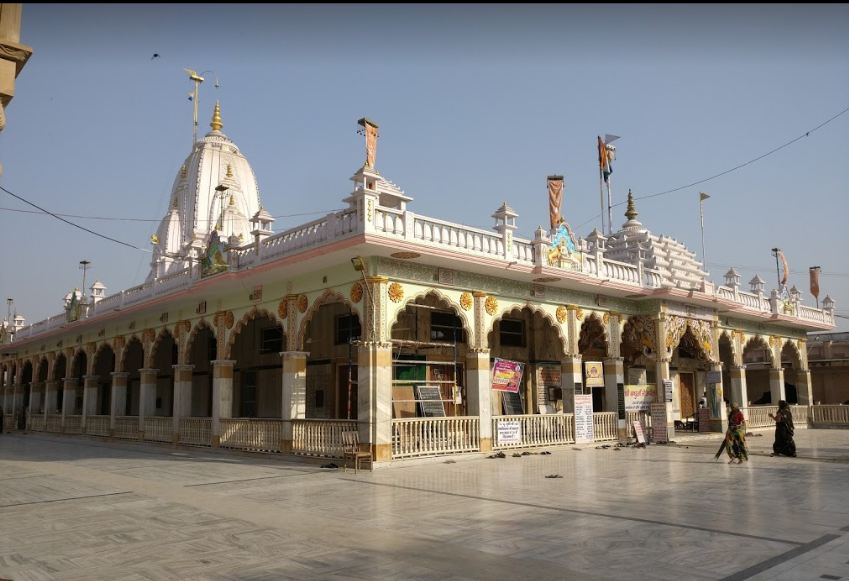
The Tijara Jain Temple stands as one of Rajasthan’s most revered spiritual centers, attracting devotees and history enthusiasts alike from across India and the world. Nestled in the heart of Tijara, this magnificent site is more than just a temple—it is a living testament to the region’s rich religious legacy, remarkable architecture, and vibrant community traditions. In this blog post from Tijara, you will discover fascinating facts about the temple’s origins, its architectural wonders, and its cultural significance, giving you everything you need to know before your visit to this sacred heritage of Rajasthan.
The Fascinating History and Origin of Tijara Jain Temple
The story of the Tijara Jain Temple begins with a discovery in 1956, when a white marble idol of Lord Chandraprabhu, the eighth Tirthankara of Jainism, was unearthed during an excavation in Tijara, Alwar, Rajasthan. This find sparked a spiritual revival in the area, as devotees and local leaders came together to restore the temple, establishing it as an Atishaya Kshetra—a site where miracles are believed to happen. Over time, more idols have been discovered on site, substantiating the belief that Tijara has long been a place of significance for Jain worshippers, possibly known as a “Dehra,” or a sacred space for the veneration of Jain idols.
The temple’s history is deeply entwined with local tradition. Some texts suggest that the location of the temple was a revered space even centuries ago, while others attribute its modern prominence to the miraculous recovery of the idol from below the earth. Today, the temple is not only a significant pilgrimage site for Jains but also a symbol of spiritual resurgence and continuity. For the town of Tijara, the temple’s story is a cherished reminder of faith, discovery, and devotion—a legacy that continues to bring thousands of visitors to its threshold every year.
The Unique Architecture and Artistry of Tijara Jain Temple
One of the most captivating aspects of the Tijara Jain Temple is its breathtaking architecture, which blends traditional Jain elements with influences from Rajasthan’s broader cultural tapestry. Built primarily from white marble, the temple is adorned with exquisite sculptures and intricate carvings that narrate stories from Jain scriptures and the lives of the Tirthankaras. The main hall is designed to accommodate hundreds of devotees, providing a spacious and serene environment for reflection and prayer.
A highlight of the temple’s architecture is the imposing Manastambha, a column of honor that greets visitors at the entrance—a feature found in many Jain temples, symbolizing humility and spiritual equality. The sanctum houses the fifteen-inch tall marble idol of Lord Chandraprabhu, set in the lotus posture, which bears inscriptions indicating its installation centuries ago. Throughout the temple, one can experience a harmonious interplay of colored glasswork, vibrant paintings, and delicate stone latticework, all gleaming under the natural light that filters in, creating a mesmerizing aura of tranquility. For connoisseurs of art and architecture, every inch of the Tijara Jain Temple offers something to marvel at.
Cultural and Spiritual Significance of Tijara Jain Temple
More than just an architectural wonder, the Tijara Jain Temple is at the heart of the region’s spiritual and community life. It is considered an Atishaya Kshetra, reputed for miracles and blessings, which draws Jain pilgrims seeking divine intervention, solace, and a sense of connection to their heritage. Annual festivals, particularly those dedicated to Lord Chandraprabhu, fill the temple’s courtyard with rituals, music, and joyous gatherings, fostering a unique sense of belonging among visitors and locals.
The temple is open to all, regardless of caste or background, and offers amenities like community kitchens and accommodation for those traveling long distances. Its inclusive tradition is a testimony to Jain values of non-violence, unity, and spiritual emancipation. Whether you are a devotee, a seeker of history, or simply someone fascinated by Rajasthan’s treasures, the Tijara Jain Temple stands as a beacon of peace and cultural vibrancy.
Key Benefits of Visiting Tijara Jain Temple
Visiting the Tijara Jain Temple can be an enriching experience for multiple reasons:
- Immerse yourself in a site of deep historical and spiritual significance.
- Witness rare and beautiful Jain art, architecture, and sculpture firsthand.
- Participate in age-old rituals and peaceful meditation sessions.
- Enjoy the compassionate hospitality and sense of community.
- Discover legends, miracles, and centuries-old heritage in a tranquil setting.
Tips for Visitors to Make the Most of Their Trip
A visit to the Tijara Jain Temple is memorable when you plan well and honor the site’s traditions:
- Dress modestly and respect the sanctity of religious ceremonies.
- Visit during non-festival days for a quieter, introspective experience.
- Explore the temple’s art and inscriptions to appreciate the details.
- Take advantage of the community kitchen and facilities.
- Engage with local guides or temple caretakers to learn more about its history.
Conclusion
The Tijara Jain Temple is a shining jewel of Rajasthan’s religious and cultural heritage. From its miraculous discovery and historical roots to its stunning architecture and ongoing community role, the temple is an unmissable destination for pilgrims and travelers alike. Plan your journey with insights from Tijara, and experience the timeless peace and spiritual grandeur that only a true heritage landmark can provide.
FAQs
1. What is the significance of the Tijara Jain Temple?
It is a sacred Jain pilgrimage site, known as an Atishaya Kshetra, dedicated to Lord Chandraprabhu and revered for its miraculous origins and architectural beauty.
2. Where is the Tijara Jain Temple located?
The temple is situated in Tijara town, in the Alwar district of Rajasthan, India, making it easily accessible from Delhi and Jaipur.
3. Which Tirthankara is worshipped at Tijara Jain Temple?
Lord Chandraprabhu, the eighth Tirthankara in Jainism, is the presiding deity of this temple.
4. When was the current Tijara Jain Temple established?
The temple was re-established in 1956 after the recovery of a marble idol during excavation, though the idol itself dates back several centuries.
5. What is special about the temple’s architecture?
The temple is known for its white marble structure, beautiful carvings, Manastambha column, spacious halls, and vibrant glasswork and paintings.
6. Can non-Jains or tourists visit the temple?
Yes, the temple is open to people of all backgrounds and welcomes all visitors interested in its spiritual and cultural heritage.
7. What facilities are available for pilgrims and visitors?
Amenities include large halls for prayer, a community kitchen, accommodations, and detailed information for pilgrims.
8. Are there any important festivals or events at the temple?
Yes, annual celebrations in honor of Lord Chandraprabhu, along with other Jain festivals, are observed with great devotion at the temple.
9. How can I reach the Tijara Jain Temple?
The temple is well-connected by road and can be reached from major cities like Delhi and Jaipur via Alwar.
10. Where can I learn more about planning my visit?
You can find more information and local guidance on the official Tijara website or through reputable Rajasthan tourism resources.