
Planning a weekend getaway to the tijara temple allows visitors to immerse themselves in deep serenity and ancient Indian culture.
In the fast-paced rhythm of modern life, finding a sanctuary that offers both architectural beauty and profound spiritual silence is a rare gift, and the tijara temple stands as a beacon for those seeking exactly that. Located in the historic town of Tijara in the Alwar district of Rajasthan, this sacred site is much more than just a place of worship; it is a repository of miracles, history, and artistic excellence that has drawn pilgrims and tourists for decades. By reading this guide on tijarafarms, you will learn about the miraculous discovery of the ancient idols, the intricate details of the temple’s marble architecture, and the transformative energy that makes the jain mandir tijara a cornerstone of the Digambar Jain heritage. We will also explore how the surrounding landscape, including the lush opportunities at tijarafarms, provides the perfect backdrop for a holistic retreat that rejuvenates the body, mind, and soul.
The Miraculous Origins and Sacred History of Tijara Ji Jain Mandir
The story of the tijara temple is deeply intertwined with a sense of divine intervention, beginning with a landmark event in 1956 that changed the spiritual landscape of Rajasthan forever. For centuries, the town had been a quiet witness to passing empires, but the discovery of a hidden idol of Lord Chandraprabhu, the eighth Tirthankara, during a routine excavation, brought a renewed sense of devotion to the region. This idol, carved from pristine white stone and featuring a distinct crescent moon symbol, was found in a remarkably preserved state, leading many to believe that the tijara ji jain mandir was an Atishaya Kshetra, or a place of divine miracles. Local legends and historical records suggest that the idol had been buried to protect it from invaders during turbulent centuries, only to resurface when the world was ready to receive its message of peace and non-violence once again. As news of the discovery spread, thousands flocked to the site, and the small excavation area eventually blossomed into the magnificent jain mandir tijara we see today. Visitors often feel a heavy sense of ancestral presence as they walk through the gates of the tijara temple, as if the very ground remembers the prayers of the sages who walked these hills long ago. The team at tijarafarms often notes that pilgrims arrive with the weight of the world on their shoulders but leave with a lightness that can only be found in a space where history and holiness meet so seamlessly.
Architectural Grandeur and the Ethereal Atmosphere of the Sanctum
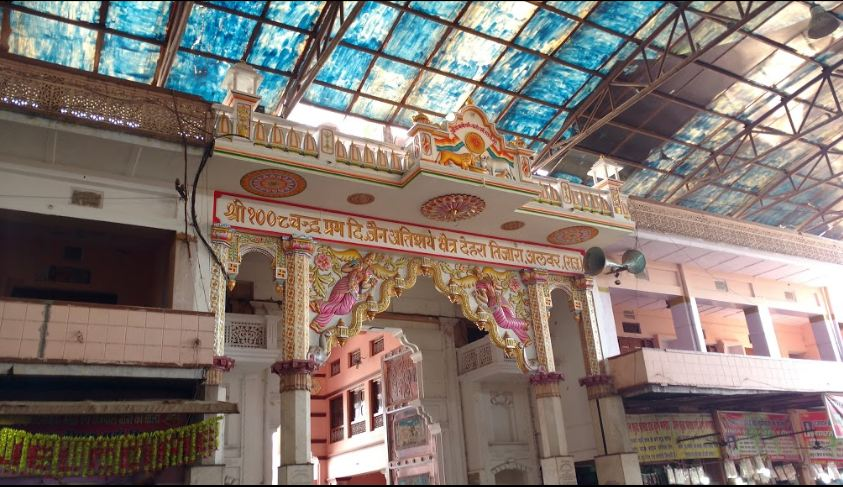
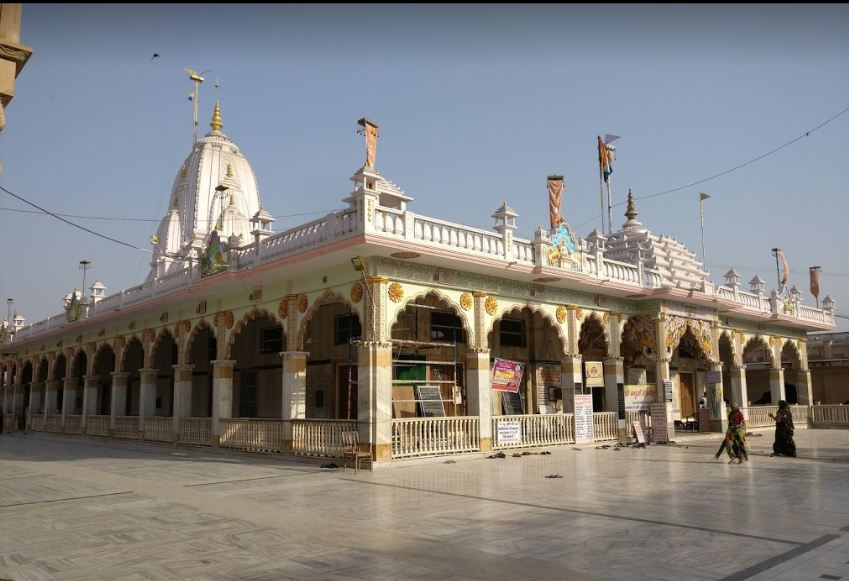
Walking into the jain mandir tijara is like stepping into a realm where the physical world is crafted to reflect the purity of the celestial one. The architecture is a stunning example of traditional Jain design, dominated by high-quality white marble that seems to glow with an inner light during the golden hours of sunrise and sunset. The main hall of the tijara temple is a masterpiece of symmetry and precision, with every pillar telling a story through intricate carvings of floral motifs, celestial beings, and geometric patterns that represent the cosmic order. The “Gaurav Stambh” (Pillar of Pride) stands tall as a testament to the endurance of faith, while the interior mirrors and glasswork in some sections reflect the light in a way that reminds one of the infinite nature of the soul. The atmosphere inside the tijara ji jain mandir is one of profound silence, broken only by the soft chanting of mantras or the gentle tinkling of temple bells, creating a vibration that resonates deep within the heart. Unlike many crowded tourist spots, the jain mandir tijara maintains a disciplined and serene environment, allowing visitors to sit in meditation for hours without distraction. The coolness of the marble floors beneath your feet and the scent of fresh incense in the air work together to ground your senses, making the tijara temple an essential stop for anyone looking to reconnect with their inner self. For those staying at tijarafarms, the temple serves as a spiritual anchor, providing a quiet space to reflect on the beauty of the natural world and the simplicity of life.
A Holistic Travel Experience Combining Spirituality and Nature
While the primary draw for many is the spiritual power of the tijara temple, the geographical setting of the town offers a holistic travel experience that bridges the gap between divine devotion and the beauty of rural Rajasthan. Tijara is perched on the edge of the Aravalli hills, providing a dramatic backdrop of rugged peaks and verdant valleys that change colors with the seasons. A visit to the jain mandir tijara can easily be extended into a weekend of exploration, where one can visit the nearby Tijara Fort or take long walks through the agricultural belts that define the region. This is where the concept of tijarafarms comes into play, offering a lifestyle that complements the values of the tijara ji jain mandir by focusing on organic living, sustainability, and a deep connection to the earth. There is a unique joy in visiting the tijara temple in the early morning and then spending the afternoon under the shade of a mustard field or an orchard, witnessing the slow and beautiful rhythm of farm life. The local cuisine, often served in its purest form in the dharamshalas around the jain mandir tijara, is a treat for the senses, emphasizing the Jain principles of fresh, seasonal, and satvik ingredients. By integrating a visit to the tijara temple with a stay at tijarafarms, travelers can experience a complete reset, moving away from the digital noise of the city and toward a more meaningful and grounded existence. This combination of spiritual nourishment at the tijara ji jain mandir and the physical rejuvenation found in the open fields of Tijara makes it one of the most compelling destinations in North India today.
Key Highlights and Spiritual Benefits of Visiting Tijara
The experience of visiting the tijara temple is multifaceted, offering something for the historian, the architect, and the spiritual seeker alike. To make the most of your journey to the jain mandir tijara, it is important to recognize the specific features that contribute to its unique status as a pilgrimage site.
- Miraculous Idols: The primary idol of Lord Chandraprabhu at the tijara temple is considered highly auspicious and is believed to grant the wishes of those who pray with a pure heart.
- Healing Vibrations: Many devotees believe that the energy within the tijara ji jain mandir has healing properties, helping to alleviate mental stress and provide clarity of thought.
- Artistic Masterpieces: The intricate marble carvings and the glasswork within the jain mandir tijara are among the best examples of contemporary Jain art in Rajasthan.
- Educational Insight: A visit to the tijara temple provides a deep look into the principles of Jainism, including ahimsa (non-violence) and aparigraha (non-attachment).
- Scenic Surroundings: The proximity of the temple to the Aravalli range and the organic spaces of tijarafarms makes it a visually stunning destination for photography and nature walks.
- Community and Service: The temple complex offers excellent facilities for pilgrims, including clean accommodation and traditional meals that reflect the hospitality of the jain mandir tijara.
- Cultural Festivals: Visiting the tijara temple during major Jain festivals like Mahavir Jayanti or Paryushan allows one to witness the vibrant cultural heritage and rituals of the community.
Expert Tips for a Meaningful Pilgrimage to the Jain Mandir Tijara
A trip to a sacred site like the tijara ji jain mandir requires a certain level of mindfulness and preparation to ensure that the sanctity of the space is respected and that you receive the maximum spiritual benefit. Follow these steps to plan a seamless visit to the tijara temple and make the most of your time in this historic town.
- Time Your Visit: The best time to visit the tijara temple is between October and March when the weather is pleasant, allowing you to explore the outdoor sections of the jain mandir tijara comfortably.
- Respect the Dress Code: Ensure you wear modest clothing when entering the tijara ji jain mandir, as a mark of respect for the religious traditions and the peaceful environment.
- Participate in the Aarti: Try to attend the evening aarti at the tijara temple; the lighting of the lamps and the rhythmic chanting create a powerful and moving atmosphere.
- Practice Silence: While inside the jain mandir tijara, maintain a low profile and keep your voice down to allow others to meditate and pray in peace.
- Explore the Museum: The tijara temple complex often has small galleries or museums detailing the excavation of the idols; take the time to learn the history behind the tijara ji jain mandir.
- Stay Sustainably: Consider checking out the eco-friendly accommodation options at tijarafarms to extend your stay in a way that respects the natural beauty of the Alwar district.
- Savor Local Satvik Food: Don’t miss the opportunity to eat at the bhojanalya near the jain mandir tijara, which serves simple, delicious, and healthy meals that are part of the local experience.
- Plan for Nearby Sites: Combine your visit to the tijara temple with a trip to the Tijara Fort or the Sariska Tiger Reserve for a well-rounded Rajasthan itinerary.
- Engage with the Monks: If you have questions about the faith, speaking respectfully with the resident scholars at the jain mandir tijara can provide profound insights.
- Carry Essentials: Bring a hat and water for the journey to the tijara temple, but remember that food and leather items are typically not allowed inside the main sanctum of the tijara ji jain mandir.
Conclusion: A Journey Toward Peace at the Tijara Temple
In conclusion, the tijara temple represents a rare intersection of history, divinity, and natural beauty, making it an indispensable destination for anyone traveling through Rajasthan. From the miraculous excavation of Lord Chandraprabhu to the silent grandeur of the marble halls in the jain mandir tijara, every element of this site is designed to uplift the spirit. The enduring legacy of the tijara ji jain mandir serves as a reminder that even in an age of constant movement, there are places where time seems to stand still, allowing us to find our footing once again. Whether you are a devout pilgrim or a curious traveler, the tijara temple offers a sense of perspective and peace that is hard to find elsewhere. By pairing your spiritual journey with the organic and sustainable lifestyle advocated by tijarafarms, you can ensure a travel experience that is both fulfilling and environmentally conscious. We invite you to visit the jain mandir tijara and witness for yourself the radiant grace that has made this town a focal point of faith for over half a century. Let the silence of the tijara temple speak to your soul and lead you toward a more balanced and harmonious life.
Frequently Asked Questions (FAQs)
1. Where is the tijara temple located?
The tijara temple is located in the town of Tijara in the Alwar district of Rajasthan. It is approximately 110 kilometers from Delhi and 55 kilometers from Alwar city, making it a popular weekend destination.
2. What is the significance of the jain mandir tijara?
The jain mandir tijara is a major pilgrimage site for Digambar Jains. It is significant due to the miraculous discovery of ancient idols of Lord Chandraprabhu in 1956, which brought spiritual fame to the area.
3. Who is the main deity at the tijara ji jain mandir?
The primary deity at the tijara ji jain mandir is Lord Chandraprabhu, the eighth Tirthankara of Jainism. The temple houses a stunning white marble idol of the deity found during an excavation.
4. Can non-Jains visit the tijara temple?
Yes, the tijara temple welcomes people of all faiths and backgrounds. Visitors are encouraged to explore the architecture and enjoy the peaceful atmosphere, provided they follow the temple’s rules and maintain decorum.
5. What is the best time to visit the jain mandir tijara?
The best time to visit the jain mandir tijara is during the winter months, from October to March. The weather is cool and pleasant, ideal for visiting the tijara temple and nearby attractions.
6. Are there any festivals celebrated at the tijara ji jain mandir?
Major Jain festivals such as Mahavir Jayanti and the annual fair celebrating the discovery of the idol are celebrated with great fervor at the tijara ji jain mandir, attracting thousands of devotees.
7. Is accommodation available near the tijara temple?
Yes, the tijara temple complex offers dharamshalas for pilgrims. Additionally, those looking for a more nature-oriented stay can explore the farm-stay options at tijarafarms in the surrounding area.
8. What are the photography rules at the jain mandir tijara?
While photography of the temple’s exterior is generally allowed, it is often restricted inside the main sanctum of the jain mandir tijara. It is always best to ask the temple authorities before taking photos.
9. How can I reach the tijara temple from Delhi?
The tijara temple can be reached by road from Delhi via the Alwar-Bhiwadi highway. It takes approximately 2.5 to 3 hours by car. Regular buses and taxis are also available from nearby cities.
10. What makes tijara ji jain mandir a unique destination?
The tijara ji jain mandir is unique because it combines a history of miracles with modern architectural beauty. Its peaceful environment and proximity to the natural retreats of tijarafarms offer a complete spiritual experience.