
Welcome to the official blog of Tijara, the premier resource for all things related to this historic and rapidly developing region. Among the town’s many cultural landmarks, one stands out as a beacon of faith, history, and architectural splendor: the Tijara Jain Temple, also simply referred to as the Tijara Temple. This article is designed to take you on a detailed journey through the spiritual and historical significance of this sacred site, recognized as an ‘Atishaya Kshetra’ (a place of miracles) within the Jain community. You will gain a deep understanding of its miraculous origin, marvel at its exquisite architecture, and learn about the profound spiritual experience it offers. For residents, investors, and travelers to Tijara, understanding the importance of the Tijara Jain Temple is key to appreciating the deep cultural roots of the area, a vital component of the vibrant community that the website Tijara proudly represents.
The Miraculous History and Rediscovery
The story of the Tijara Jain Temple is not merely one of construction; it is a captivating narrative of rediscovery and faith, which anchors its identity as an Atishaya Kshetra. The temple’s fame began in 1956 when, during an excavation, the main idol of Lord Chandraprabhu, the eighth Tirthankara of the Jains, was miraculously unearthed. This 15-inch, white marble idol, seated in the Padmasana posture, was not just an ancient artifact; its discovery was widely interpreted as divine intervention, confirming the site’s historical significance as a former ‘Dehra,’ or a place of Jain worship. According to an inscription found on the idol, it was originally installed in 1497 CE (Vikram Samvat 1554), confirming its profound antiquity. The event of the idol’s finding sparked a resurgence of pilgrimage to Tijara, leading to the immediate establishment of the temple at the site of the discovery. Years later, in 1972, the finding of another, smaller idol of Lord Chandraprabhu further reinforced the belief in the sacred nature of the land, cementing the area’s spiritual status. This miraculous history is the primary reason why the Tijara Temple holds such immense reverence and continues to attract thousands of devotees annually.
Architectural Splendor and Spiritual Design
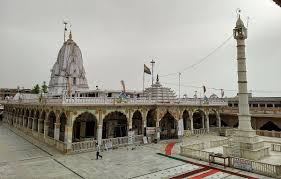
The architecture of the Tijara Jain Temple is a magnificent spectacle, showcasing the high skill and devotion of Jain craftsmanship. The temple complex is characterized by its large, rectangular layout, adorned with intricate carvings and towering pinnacles that can be seen from a considerable distance, marking it as a prominent landmark in the region. The structure is built predominantly of white marble, which imbues the entire complex with an atmosphere of purity and serenity, perfectly complementing the spiritual purpose of the site. Inside, the main prayer hall is vast and spacious, designed to comfortably accommodate a large congregation of devotees for prayers and ceremonies. The inner sanctum houses the primary idol of Lord Chandraprabhu, and the interiors throughout the temple are tastefully decorated with elaborate glasswork, colorful paintings, and detailed sculptures. These artistic elements often depict scenes from Jain mythology, the lives of the Tirthankaras, and various legends, serving both as decoration and as a means of imparting spiritual knowledge. The integration of traditional Jain architectural elements, such as the towering Manastambha (Pillar of Honour), contributes to the overall spiritual aesthetic. This careful blend of form and function ensures that the architecture of the Tijara Jain Temple is not just beautiful, but profoundly sacred, providing a tranquil space for introspection and worship.
The Enduring Spiritual Significance
The spiritual importance of the Tijara Jain Temple extends far beyond its historical narrative and architectural beauty; it is deeply rooted in the concept of devotion and the profound spiritual energy the place is believed to possess. As an Atishaya Kshetra, the Tijara Temple is revered as a site where prayers are answered, and miracles are still believed to occur. For Digambar Jains, in particular, this is a highly significant pilgrimage destination, offering a sanctuary for spiritual contemplation and the pursuit of liberation. Devotees travel great distances to perform the Abhishek (ritual bathing) of the main idol and participate in daily rituals. The serene environment, aided by the temple’s location away from the urban chaos, fosters an atmosphere conducive to meditation and peace. Major Jain festivals, such as Mahavir Jayanti and Paryushan Parva, see an extraordinary influx of pilgrims, transforming the complex into a vibrant center of spiritual fervor and communal gathering. The temple also often serves as a hub for charitable and educational activities, reflecting the Jain principles of selfless service and knowledge. The combined weight of history, miraculous discovery, and ongoing spiritual practice ensures that the Tijara Jain Temple remains a powerful source of faith and an essential pillar of the region’s cultural and spiritual identity.
Key Spiritual Benefits of a Pilgrimage to Tijara
The journey to the Tijara Jain Temple is considered a spiritual endeavor that yields numerous benefits for the faithful, encompassing both mental peace and devotional fulfillment. The act of pilgrimage itself is viewed as a way to cleanse the soul and strengthen one’s commitment to the principles of Jainism. The environment created by the sacred space and the community of devotees provides a unique opportunity for introspection that is often difficult to find in daily life. Visiting this revered site allows one to connect with centuries of tradition and feel a tangible link to the divine, offering a perspective that transcends the material world.
- Spiritual Rejuvenation: The serene atmosphere is ideal for deep meditation and renewal of spiritual focus, far from the noise of city life.
- Auspicious Darshan: Receiving the view of the miraculous, ancient idol of Lord Chandraprabhu is considered highly auspicious for devotees.
- Connection to Atishaya Kshetra: Visiting a place where miracles are believed to occur strengthens faith and provides hope to those seeking divine intervention or comfort.
- Community and Fellowship: The temple serves as a meeting point for the wider Jain community, fostering a sense of belonging and mutual support among pilgrims.
- Architectural Inspiration: The beautiful craftsmanship of the Tijara Temple provides a visual and cultural appreciation of Jain art and heritage.
Planning Your Visit to the Sacred Tijara Temple
A successful and fulfilling pilgrimage to the Tijara Jain Temple requires a little preparation to ensure that the experience is spiritually rewarding and logistically smooth. Knowing the temple’s daily schedule, understanding the local customs, and planning your travel and accommodation in advance can significantly enhance your visit. As the Tijara Temple is a central point of interest in the region, resources are often available nearby, but it is always wise to be prepared, especially if you are traveling from a distant location. Following these simple steps will help you make the most of your time at this esteemed religious site and fully absorb the spiritual tranquility it offers.
- Check Temple Timings and Ritual Schedule: Confirm the opening and closing hours, and the specific times for the main Abhishek (bathing ceremony) and Aarti (prayer ritual) if you wish to participate in these key religious observances.
- Arrange Accommodation in Advance: If you plan an overnight stay, book accommodation, such as the temple-run Dharamshala (pilgrim guesthouse), well before your arrival, especially during major festival periods when pilgrim traffic is high.
- Dress Modestly and Respectfully: Adhere to the traditional dress code, which typically requires modest clothing covering the shoulders and knees, out of respect for the sacredness of the Tijara Jain Temple.
- Explore the Complex: Take time to visit the entire temple complex, including the towering Manastambha and any other smaller temples or Vatikas (gardens) that may be part of the larger Atishaya Kshetra.
- Be Mindful of Temple Rules: Pay attention to and strictly follow all instructions regarding photography, silence zones, and the handling of offerings or sacred materials within the Tijara Temple premises.
Conclusion: A Heritage to Cherish
The Tijara Jain Temple is undeniably a jewel in the crown of the Tijara region, an embodiment of deep faith, miraculous history, and architectural excellence. It serves as a vital spiritual magnet, drawing devotees and admirers from across the globe to experience its powerful serenity and historical depth. The temple’s story – from the remarkable discovery of its idol to its current status as a revered pilgrimage center – adds a profound layer of cultural richness to the local community. For anyone interested in the heritage and spiritual landscape of the area, a visit to the Tijara Temple is not just recommended, it is essential. We invite you to explore more about the region, its culture, and its opportunities on our website, Tijara, and to plan your own enriching journey to this place of miracles.
Frequently Asked Questions (FAQs)
1. What is the main deity of the Tijara Jain Temple?
The main deity is an ancient, 15-inch white marble idol of Lord Chandraprabhu, the eighth Tirthankara of the Jains. The idol was miraculously discovered during an excavation in 1956, which marked the resurgence of the site as a key pilgrimage center.
2. What does ‘Atishaya Kshetra’ mean in the context of the Tijara Temple?
‘Atishaya Kshetra’ is a Jain term meaning ‘Place of Miracles.’ The Tijara Jain Temple earned this title due to the miraculous discovery of the ancient idol and the belief among devotees that wishes are fulfilled and extraordinary events occur here.
3. When is the best time of year to visit the Tijara Jain Temple?
The most comfortable time to visit the Tijara Temple is during the cooler months, from October to March, to avoid the intense summer heat of Rajasthan. Major Jain festivals are also a popular time to visit for a vibrant spiritual experience.
4. How far is the Tijara Temple from Delhi and Alwar?
The Tijara Jain Temple is approximately 110 kilometers from Delhi and around 55 kilometers from Alwar city. Its location on the Delhi-Alwar Highway makes it easily accessible by road for devotees and tourists traveling from the NCR.
5. What is the significance of the idol’s discovery date?
The discovery of the main Lord Chandraprabhu idol on August 16, 1956, is considered a highly auspicious and miraculous event. It is the defining moment that led to the re-establishment of the current temple complex on what was an ancient site of worship.
6. Does the Tijara Jain Temple offer accommodation for pilgrims?
Yes, the Tijara Temple complex typically includes a Dharamshala or pilgrim guesthouse. This facility provides secure and affordable lodging for visiting devotees and families, especially those traveling long distances for their spiritual journey.
7. What is the architectural style of the Tijara Temple?
The temple showcases a beautiful example of modern Jain architecture, primarily constructed from white marble. It features intricate carvings, detailed glasswork, and a distinctive, high-reaching pinnacle that is characteristic of grand Jain temples.
8. Is there an entry fee to visit the Tijara Jain Temple?
No, there is generally no entry fee to visit the Tijara Temple, as it is a place of worship open to all visitors and devotees regardless of their faith. However, donations for the upkeep of the temple are welcomed from the community.
9. Are there any other important Jain sites near the Tijara Temple?
Yes, the wider area is rich in Jain heritage. There are often smaller, older temples within the complex or nearby, such as a Parshvanath Temple, further cementing the status of the area as a dedicated spiritual center for Jainism.
10. Why is the Tijara Jain Temple important to the local community?
The Tijara Temple is a source of immense pride and a major economic contributor to the local community due to the thousands of pilgrims it attracts. It also serves as a center for social and educational welfare activities, embodying the spirit of service.