
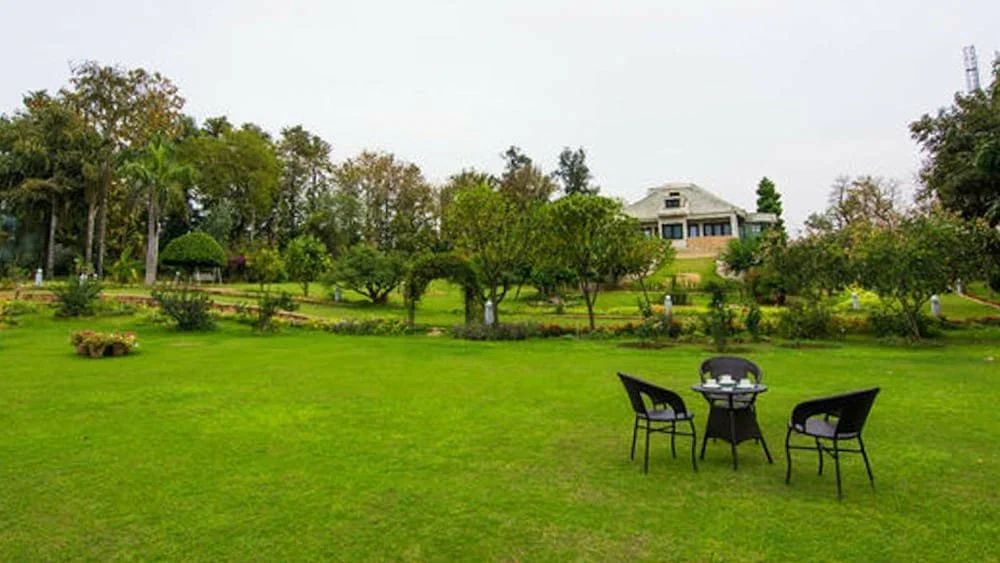
City life has a sneaky way of draining your battery. The endless traffic on the NH-48, the constant drone of construction, and the murky smog that settles over Delhi-NCR every winter make everyone crave an exit plan. For years, that exit plan was a cramped apartment in a concrete high-rise. Not anymore.
Today, urban professionals and families are trading congested city blocks for wide-open fields. They want real soil, clean air, and food they can trust. That is precisely why buying a tijara organic farm has turned into one of the most compelling lifestyle and real estate moves in Northern India.
Located in the serene green pockets of Alwar district, Tijara sits right at the sweet spot of tranquility and connectivity. It is close enough for a quick weekend drive from Gurgaon or South Delhi, yet far enough to feel like a completely different world.
What Makes Tijara Ideal for Organic Agriculture?
You cannot just plant seeds anywhere and call it a thriving organic sanctuary. Soil chemistry matters. Water availability matters. Microclimates matter.
Tijara benefits from the natural drainage and mineral-rich runoff of the surrounding Aravali hills. The soil here retains nutrients well, making it naturally resilient against harsh weather swings.
Unlike regions suffering from decades of heavy industrial farming, much of the arable land around Tijara has remained relatively free from aggressive chemical overuse. That gives prospective buyers a massive head start. You do not have to wait five years just to flush toxic pesticides out of the ground before your first harvest.
Here is what thrives exceptionally well in Tijara’s soil:
- Fruit Orchards: Guava (especially the sought-after Thai pink guava), lemon, kinnow, and papaya.
- Seasonal Produce: Organic mustard, spinach, carrots, radish, tomatoes, and leafy green veggies.
- Medicinal Herbs: Aloe vera, lemongrass, tulsi, and ashwagandha.
Eating food harvested from your own land isn’t just a satisfying flex. It is a genuine health upgrade for your family.
Remote Farm Management: How Busy Professionals Make It Work
Let’s be realistic for a second. Most people buying land in Tijara work full-time in corporate hubs like Gurgaon, Cyber City, or Noida. You probably do not have the time to drive a tractor every Tuesday morning.
So how do you run a successful farm without leaving your corporate job?
That is where managed farmland models come into play. Instead of buying raw land and figuring out fencing, tubewell installation, and soil preparation entirely on your own, investors increasingly choose managed land. A professional team handles the day-to-day agricultural operations, crop rotation, and security.
When you visit on Saturday morning, your crops are already watered, your orchards are pruned, and your kitchen table is stocked with freshly picked organic produce. You get all the rewarding perks of rural landownership without turned-up soil under your fingernails every single day.
If you prefer a direct ownership approach, partnering with local village farmers on a sharecropping or lease agreement is another popular option. Either way, landownership in Tijara does not require you to turn into a full-time farmer overnight.
Location, Connectivity, and Infrastructure Growth
A farm is only as good as your ability to get there comfortably. If reaching your property involves negotiating three hours of unpaved dirt roads, you will eventually stop going.
Tijara shines because of its strategic position in the Bhiwadi-Alwar growth belt.
- Highway Access: The State Highway 25 (SH-25) connects Tijara seamlessly to Bhiwadi and the main Delhi-Jaipur highway (NH-48).
- Delhi-Mumbai Expressway: The major regional infrastructure push via the Delhi-Mumbai Infrastructure Corridor has dramatically cut transit times across eastern Rajasthan.
- Proximity to NCR: You can leave your driveway in South Delhi or Gurgaon after breakfast and be walking through your organic farm before noon.
This infrastructure backdrop turns peaceful farmland into a dual-purpose asset. You gain a private sanctuary today, backed by solid capital appreciation potential over the coming decade.
Key Things to Check Before Buying Farmland in Tijara
Real estate buys in rural areas require clear-headed due diligence. Do not let scenic views distract you from basic land legalities.
- Freehold Land Titles: Ensure the land title is clear, marketable, and free from encumbrances. Look for registered Khatauni documents in Rajasthan revenue records.
- Water Table & Irrigation: Check for existing tubewells or borewell permissions. Organic farming demands reliable, clean groundwater.
- Boundary Fencing: Clear physical boundaries prevent encroachment issues down the line.
- Road Approach: Ensure your plot has legal, registered road access (Rasta) wide enough for vehicles and agricultural equipment.
Exploring established developers at tijara farms helps streamline these legal verification hurdles, saving you months of bureaucratic headaches.
Building Your Dream Farmhouse Retreat
Once your organic crops are thriving, the natural next step is creating a comfortable place to stay.
You do not need a sprawling concrete mansion that disrupts the natural landscape. In fact, eco-conscious buyers in Tijara lean toward sustainable construction:
- Mud and Lime Plaster Cottages: Excellent natural insulation that stays cool during Rajasthan summers and cozy during winters.
- Solar Integration: Off-grid solar panels to power your lights, fans, and water pumps reliably.
- Rainwater Harvesting: Capturing seasonal rainwater to recharge underground aquifers and sustain your orchards.
Imagine spending your weekends sitting on a shaded verandah, looking out over green fields you own, drinking fresh mint tea grown five yards away. That is not just a dream—it is a practical, achievable reality waiting in Tijara.
Frequently Asked Questions
1. How far is Tijara from Delhi and Gurgaon?
Tijara is approximately 85 km from Gurgaon and about 105 km from New Delhi. The drive takes around 1.5 to 2 hours via the Gurgaon-Sohna elevated road, SH-25, or NH-48.
2. Can non-agriculturalists buy land in Tijara, Rajasthan?
Yes, unlike some Indian states that restrict agricultural land purchases strictly to registered farmers, Rajasthan allows individuals to purchase agricultural land subject to standard state land ceiling regulations.
3. What crops grow best on organic farms in Tijara?
Tijara’s soil is well-suited for guava orchards, mustard, citrus fruits, papaya, wheat, and a wide variety of seasonal organic vegetables and herbs.
4. Is water available for farming in Tijara?
Yes, most agricultural plots in the region rely on deep tubewells and underground aquifers fed by seasonal Aravali watershed runoff.
5. What is the minimum plot size needed for an organic farmhouse project?
While you can start on smaller plots, 1 to 2 Bighas (approx. 27,000 to 54,000 sq. ft.) provides ample space for a comfortable farmhouse, private orchard, organic vegetable patch, and parking.